You already know your way around a machine, so you do not need another beginner list. The best sewing projects to sell are the ones that give you back the most for the fabric and the hours you put in, and that was the only thing that got an item onto this page. Every make shows the fabric cost, a realistic price and how long it honestly takes, because hours are the part sewists forget to count. I learned that making a Max costume from Where the Wild Things Are for one of my kids before I knew how to sew, hand-stitching for hours, until a neighbor turned up on Halloween morning and finished it for me. Lovely costume. Terrible hourly rate! Perfect for anyone sewing for income rather than for fun, and for anyone who would rather make twelve of the right thing than one of everything. Not sure which camp you are in yet? Start at the sewing crafts that sell.
Best Sewing Projects to Sell for Profit
The sewing projects that sell for the most are bags and blankets, where the fabric cost stays fixed and the finished piece reads as a bought product. An adult mermaid tail blanket costs about $18 to $28 and sells for about $70 to $110, the biggest single sale on this page. A baby blanket with an attached toy costs about $16 to $24 and sells for about $60 to $85.
1. Mermaid Tail Adult Blanket
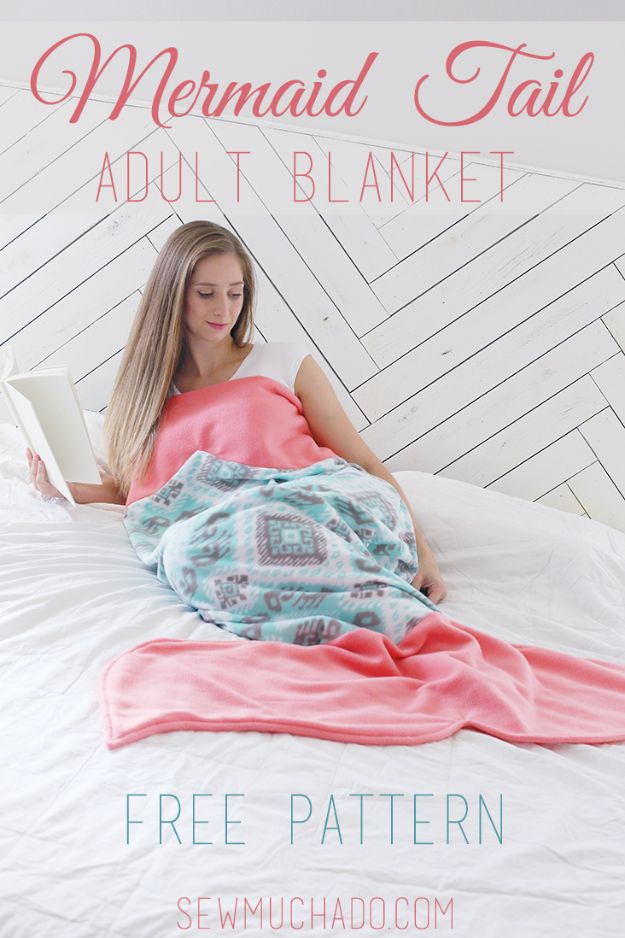
The highest ticket item on the page, and the one to make when you want a single sale to be worth the evening. It is a big piece of fleece, a free pattern and instructions clear enough that a beginner can follow them, and the finished thing is a novelty gift somebody will actually use every winter. Fleece is the right call here because it does not fray, so there is no seam finishing anywhere. Make the adult size, not the child size. Adults buy these for themselves.
- Supplies: 2 to 3 yards of fleece, thread, the free pattern
- Approx cost: about $18 to $28 in fleece
- Sells for: about $70 to $110. Novelty plus size plus warmth, and there is nothing to compare it to at a fair.
- Margin: roughly $50 to $80 per blanket, about 2.5 to 3 hours of sewing.
Get the full tutorial at Sew Much Ado.
2. Zipper Pencil Pouch
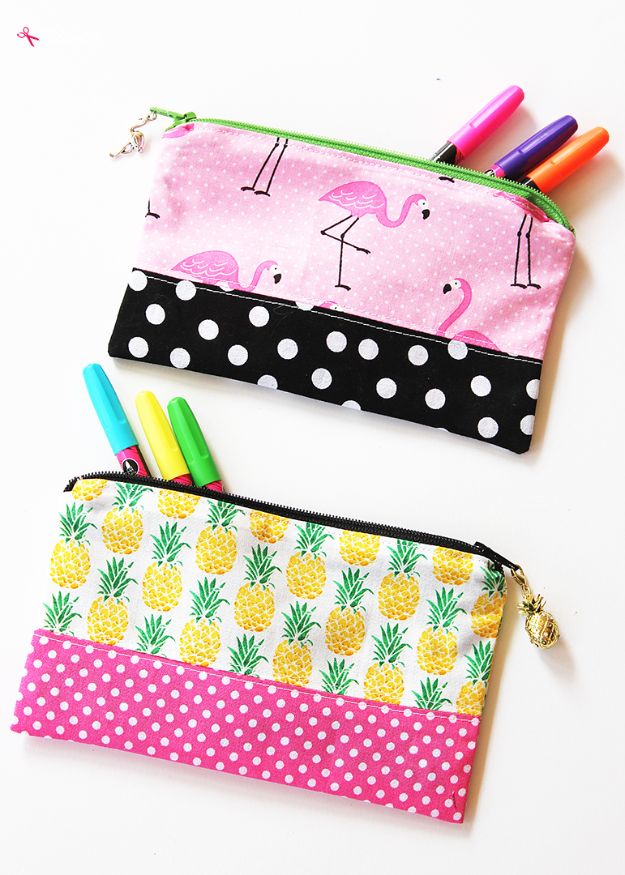
Ten steps, one zipper, and a known cost every single time, which is what makes the zip pouch the backbone of a sewing shop. You always know what it costs you and you always know what it sells for, so it is the item you price everything else against. Add bling to the zipper pull and the whole thing looks twice the price for about forty cents. Make them in threes: a school print, an adult print and a neutral, and see which one comes back for a reorder.
- Supplies: quarter yard outer fabric, quarter yard lining, a 9 inch zipper, interfacing, thread
- Approx cost: about $3 to $5 each
- Sells for: about $16 to $24. Steady, predictable, and it sells at every venue you will ever stand in.
- Margin: roughly $12 to $19 per pouch, about 25 to 35 minutes once you have a rhythm.
Get the full tutorial at Positively Splendid.
3. DIY Fabric Koozies
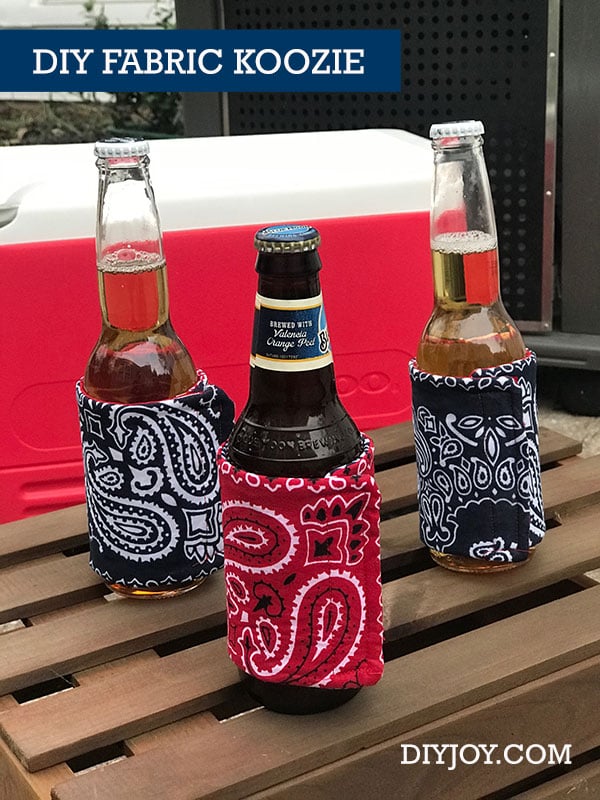
This is one of my favorite things to sew, ever. I love that I can choose hundreds of different looks for these, so making them never gets old, and fabric scraps work perfectly. You need fabric, insulated liner and a bit of velcro, and there is a video tutorial along with the written steps. Koozies are on this page because nobody buys one. They buy four for a party, or twenty for a wedding, and a custom print for a bachelorette is the version worth listing.
- Supplies: fabric scraps, insulated liner (Insul-Bright or similar), velcro, thread
- Approx cost: about $1.25 to $2 each
- Sells for: about $8 to $12 each, $40 for a set of six, $90 to $140 for a custom party order of twenty.
- Margin: roughly $7 to $10 each, about 12 to 15 minutes once you chain-stitch a batch.
Get the full tutorial at DIY JOY.
4. Mixer Bowl Cover
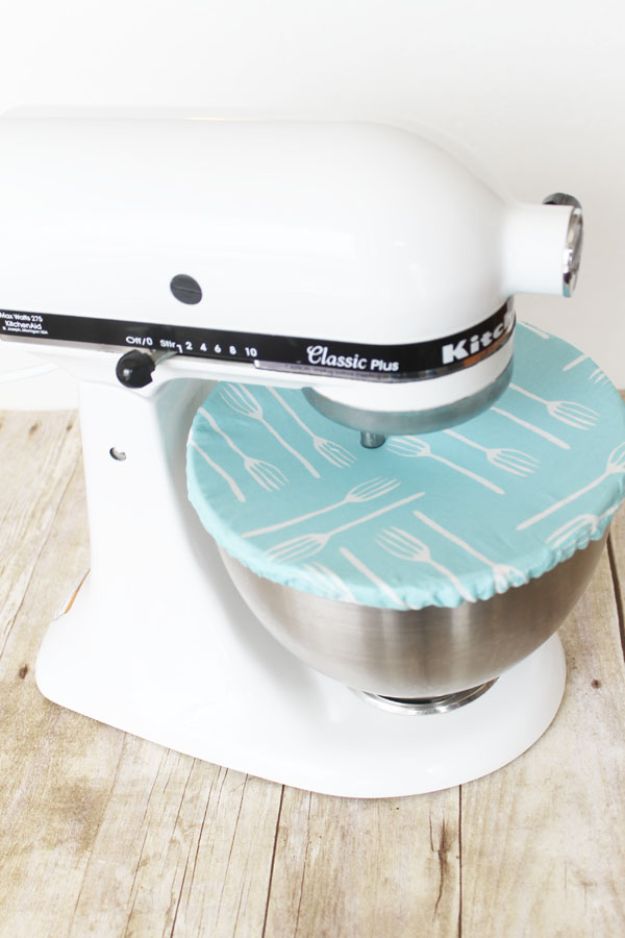
Keep the dust and the crumbs out of the mixer bowl with a cover that takes one fat quarter and an hour. This is on the earners list because it sells in sets and to a specific, findable buyer: the person who already spent hundreds on a stand mixer and decorates around it. Elastic in the casing so it grips the rim, a print that suits a kitchen rather than a craft fair, and a second one in the box so she has a spare while one is in the wash.
- Supplies: one fat quarter, quarter inch elastic, thread
- Approx cost: about $3 to $5 each
- Sells for: about $18 to $26, or $34 for a pair. Appliance covers have almost no handmade competition.
- Margin: roughly $14 to $21 each, about 30 minutes.
Get the full tutorial at Laura's Crafty Life.
5. Origami Market Bag
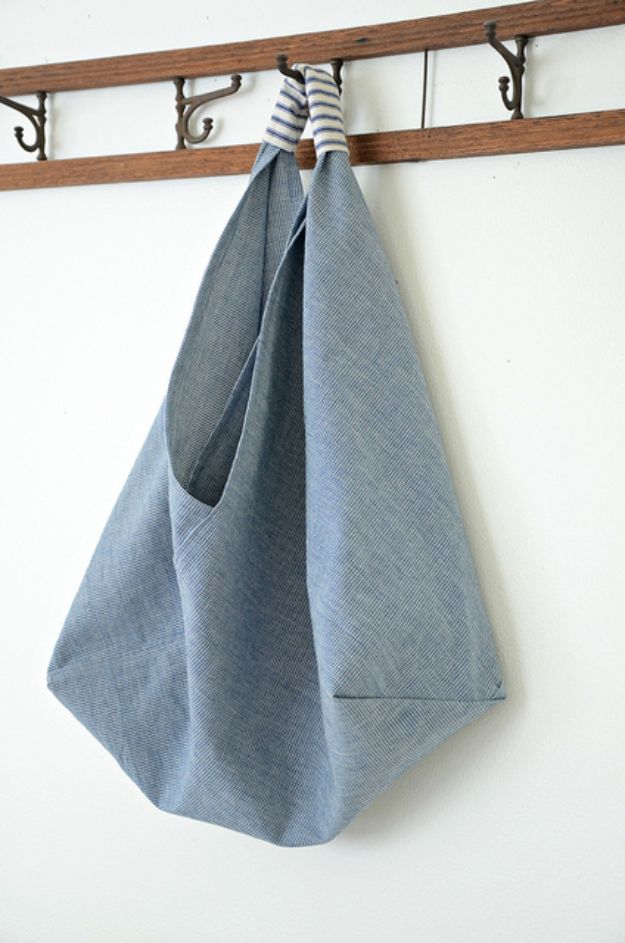
A metre of fabric in, a full market bag out, and the folded construction means it holds a shape a flat tote never will. The contrasting handle is the detail that makes it look designed instead of homemade, and it costs you an eighth of a yard. The instructions are genuinely not difficult, so this is a good one for a newer sewer who wants an item with a real price on it. Make them in canvas for the farmers market crowd and in a bright cotton for everyone else.
- Supplies: 1 yard main fabric, an eighth of a yard contrast, interfacing, thread
- Approx cost: about $8 to $13 each
- Sells for: about $38 to $52. Reusable shopping bags sell year round and to people who were not shopping for handmade.
- Margin: roughly $28 to $42 per bag, about 1 to 1.25 hours.
Get the full tutorial at Lola Nova.
6. Portable First Aid Kit
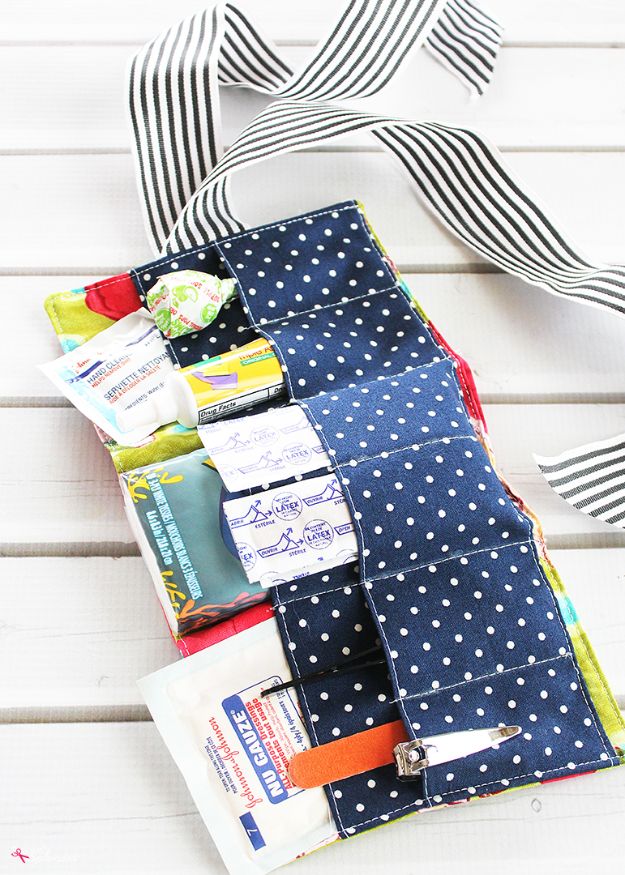
Got scraps? This one turns them into a giftable item with a real price, which is the trick every profitable sewing shop is running. The little compartments and elastic loops for band-aids, ointment and the rest are what justify the cost, so do not simplify them away. Sell it empty or sell it filled, and filled is the better listing because you have added ten dollars of drugstore supplies and thirty dollars of perceived value. Car, diaper bag, camping, new driver, college dorm.
- Supplies: fabric scraps, quarter inch elastic, a zipper, interfacing, thread, optional first aid supplies
- Approx cost: about $4 to $6 empty, about $12 to $16 filled
- Sells for: about $24 to $32 empty, $42 to $58 filled. Filling it is the easiest upsell on this page.
- Margin: roughly $20 to $28 empty, about 50 minutes.
Get the full tutorial at Positively Splendid.
7. Easy DIY 30 Minute Apron
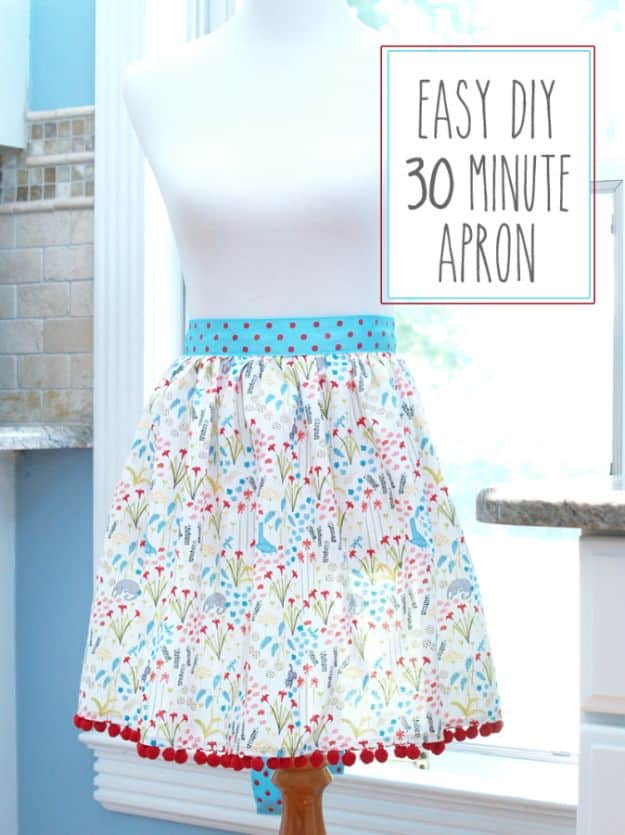
Half an hour, one yard, no sizing to worry about, and a price a buyer accepts without blinking. Aprons are a reliable seller because they are a gift people buy for someone whose size they do not know, which is most gift giving. The fussy version is not better than the simple one, so make the simple one and put the effort into the fabric instead. A good print, a deep pocket and a long tie that actually wraps around and ties in front. That is the whole product.
- Supplies: 1 yard of cotton, an eighth of a yard for ties and pocket, thread
- Approx cost: about $7 to $11 each
- Sells for: about $32 to $45. Holiday markets are where these move, and they move in pairs for couples.
- Margin: roughly $23 to $36 each, about 30 to 40 minutes.
Get the full tutorial at Flamingo Toes.
8. Easy DIY Tea Towels
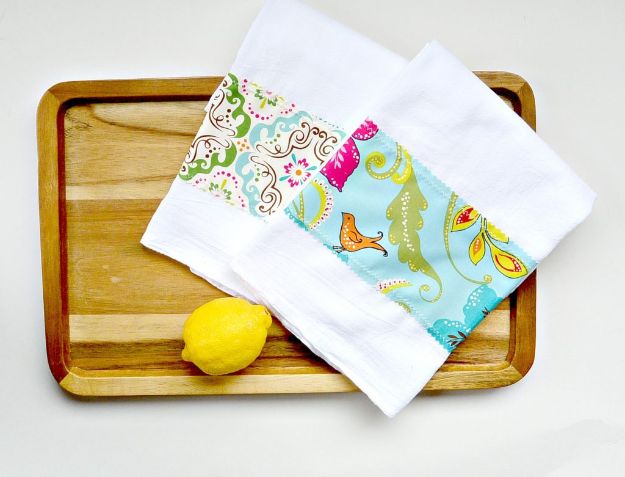
Tea towels earn their spot because they sell in sets and cost almost nothing per piece. Start with a plain flour sack towel, add the stripe, the trim or the stitched detail, and you have turned a $2 item into a $16 one in about fifteen minutes. The reason to sell sets of two or three rather than singles is simple: a single towel is an afterthought and a set is a hostess gift. Mix one plain, one striped and one detailed, tie them with twine, and price the bundle.
- Supplies: flour sack or linen towels, trim or contrast fabric, thread
- Approx cost: about $2.50 to $4 each
- Sells for: about $14 to $18 each, or $34 to $45 for a set of three. The bundle is the product.
- Margin: roughly $11 to $15 each, about 15 minutes.
Get the full tutorial at Mama In A Stitch.
9. Fabric Basket

Fabric baskets hold a good price because they hold their shape, and they hold their shape because of the interfacing, which is the step people skip to save three dollars. Do not skip it. A basket that slumps looks homemade and a basket that stands up looks bought, and that difference is worth twenty dollars at the till. Make a nested set of three sizes, because storage buyers think in sets and because a nested stack is a display that sells itself on a crowded table.
- Supplies: outer and lining fabric, heavyweight fusible interfacing or fleece, thread
- Approx cost: about $7 to $12 each
- Sells for: about $28 to $40 each, or $75 to $95 for a nested set of three.
- Margin: roughly $20 to $30 each, about 1 hour.
Get the full tutorial at Polka Dot Chair.
10. Color Block Pillowcase
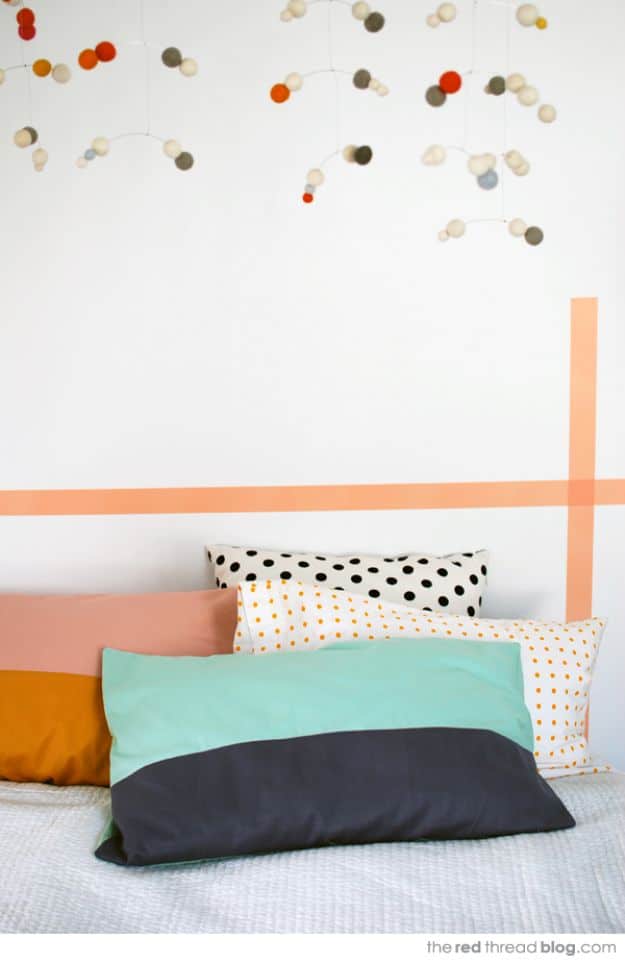
Pillowcases sell in pairs, which doubles every sale you make without doubling your setup time, and color blocking is what stops them looking like the ones in the shop. Two fabrics, a contrast band, and a burrito roll seam finish that hides every raw edge inside. It is forgiving enough for a newer sewer, but rushing it is not worth it, because a crooked band is the first thing a buyer sees. Standard and king sizes only. Nobody is shopping for an unusual pillow.
- Supplies: 1 yard main fabric, a third of a yard cuff, an eighth of a yard accent, thread
- Approx cost: about $7 to $10 per case
- Sells for: about $26 to $36 each, or $50 to $65 a pair. Bedding is a category with real prices attached.
- Margin: roughly $19 to $27 each, about 30 to 40 minutes.
Get the full tutorial at We Are Scout.
11. DIY Reversible Tote
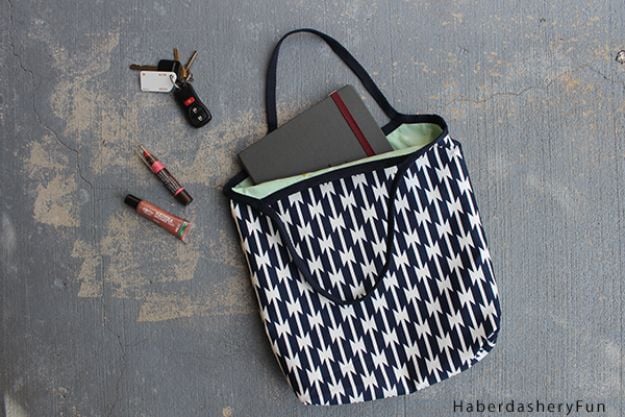
One hour, two fabrics, and the customer gets two bags for the price of one, which is an argument that closes a sale at a table faster than anything else you can say. Reversible construction means no seam finishing at all, because every raw edge ends up sandwiched between the layers. Do not skip the topstitching around the opening, though. That is the step that stops the lining rolling out, and it is the step people skip thinking it does not matter. It matters.
- Supplies: 1 yard outer fabric, 1 yard lining, interfacing, thread
- Approx cost: about $9 to $14 each
- Sells for: about $36 to $50. Two looks in one item is the pitch, and it is a true one.
- Margin: roughly $25 to $38 per tote, about 1 hour.
Get the full tutorial at Haberdashery Fun.
12. Easy Envelope Clutch Purse
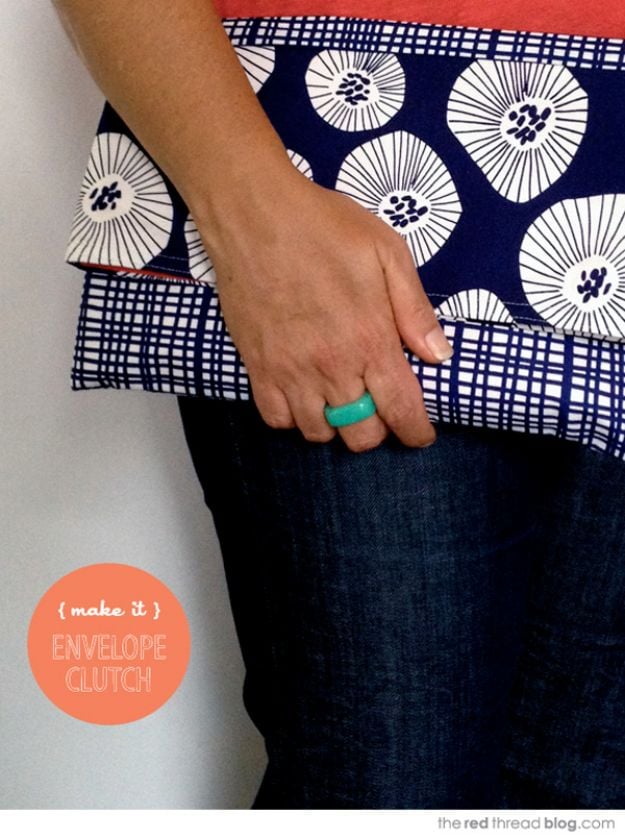
Strong margin, minimal fabric, and no zipper to fight with. An envelope clutch is a folded rectangle with a snap, which means you can make one from a half yard remnant and sell it for the price of a meal out. The simple version really is as good as the fussy one here, so put your effort into the flap: that triangle is the entire design, and a contrast lining peeking out along the fold is what people notice. Cut four at once from a yard.
- Supplies: half a yard outer fabric, half a yard lining, interfacing, a magnetic snap, thread
- Approx cost: about $6 to $10 each
- Sells for: about $34 to $48. Almost no material and a real handbag price is the definition of a good earner.
- Margin: roughly $26 to $40 per clutch, about 45 minutes.
Get the full tutorial at We Are Scout.
13. DIY Oven Mitt
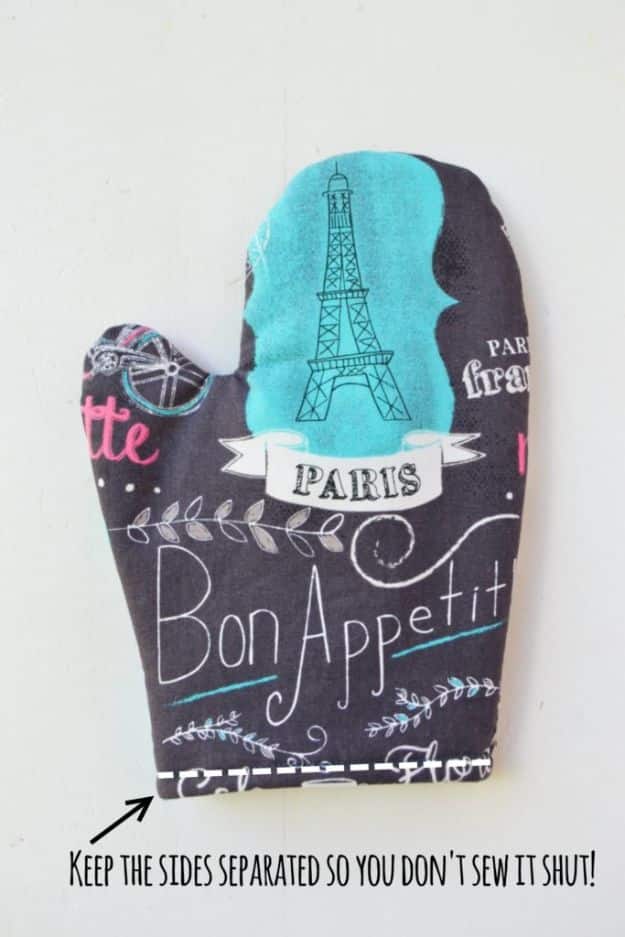
Oven mitts sell in sets and they sell because everybody’s current one is scorched. The part that matters is the inside: use real Insul-Bright, not just batting, because a mitt that does not insulate is a complaint waiting to happen and word travels at a small market. Give yourself the extra few minutes on the curved seam, clip it properly and turn it cleanly. Sell the mitt with a matching pot holder and a tea towel and you have turned a $22 sale into a $45 one.
- Supplies: half a yard cotton, half a yard Insul-Bright, batting, bias tape, thread
- Approx cost: about $5 to $8 each
- Sells for: about $22 to $30 each, or $45 to $58 for a kitchen set of three.
- Margin: roughly $16 to $24 each, about 45 minutes.
Get the full tutorial at Mary Martha Mama.
14. Baby Blanket and Toy All In One
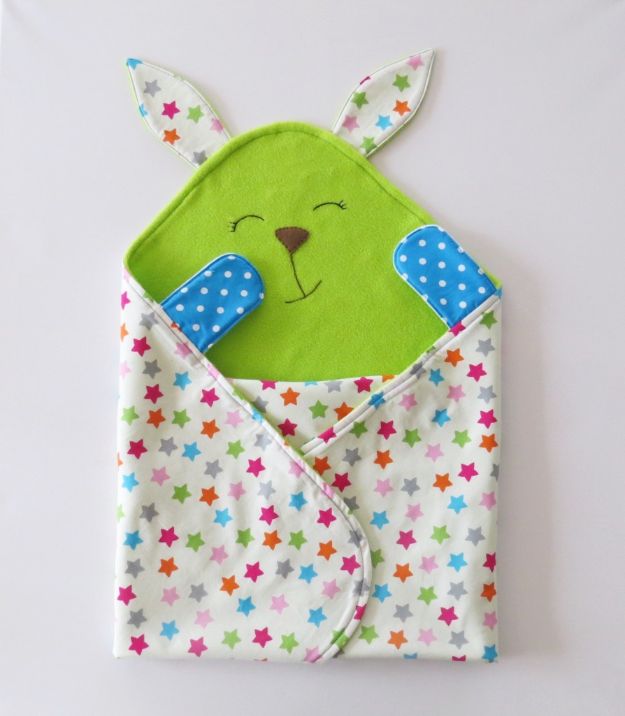
Two gifts in one package, which is why this is a high ticket item rather than a nice idea. The blanket is the practical half and the attached toy is the half that makes a shower guest say oh, and a buyer choosing between three handmade blankets will pick the one that does something. Embroider the face instead of using safety eyes so the whole thing is baby safe and you can say so on the listing. Prewash everything, because a gift that shrinks is a gift that gets remembered badly.
- Supplies: 1 yard soft cotton or flannel, half a yard minky, polyfill, embroidery floss, thread
- Approx cost: about $16 to $24
- Sells for: about $60 to $85. Novelty plus utility plus a baby shower is the strongest pricing combination on this page.
- Margin: roughly $40 to $62, about 1.5 to 2 hours.
Get the full tutorial at Sew Toy.
15. DIY Laptop Bag
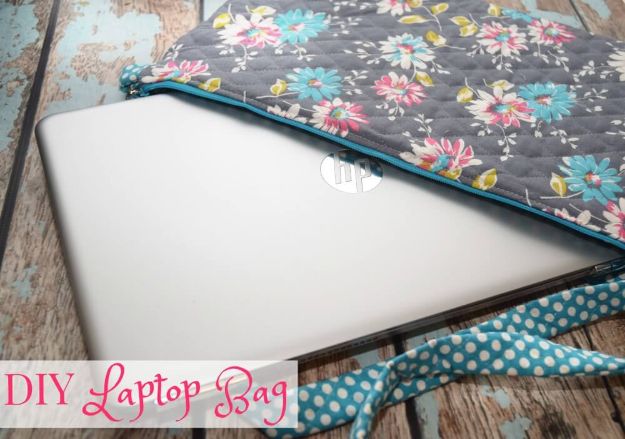
Best price per hour on the page. A padded laptop bag is a straightforward build, mostly rectangles and a flap, and it sells to a buyer who is protecting a two thousand dollar machine and therefore is not haggling with you over fifteen dollars. Use a proper foam or fusible fleece so it actually cushions, measure the exact model rather than guessing, and offer it by size. Made to order by laptop model is the listing that turns this from a craft into a business.
- Supplies: 1 yard outer fabric, 1 yard lining, foam or fusible fleece, a zipper or magnetic snap, webbing for the strap, thread
- Approx cost: about $14 to $22
- Sells for: about $65 to $95 made to measure. You are selling protection, and protection is not price shopped.
- Margin: roughly $45 to $75 per bag, about 1.5 to 2 hours.
Get the full tutorial at The Tiptoe Fairy.
16. DIY Kitchen Wet Bag
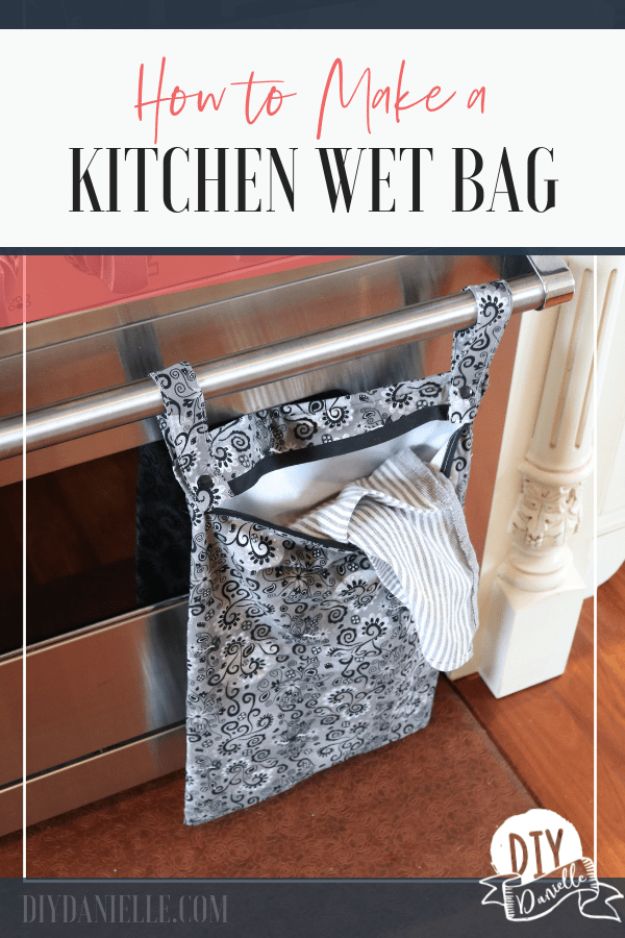
A lined, waterproof bag for wet cloths, swimwear, cloth diapers or a gym kit, and it holds a strong price because the PUL lining is a material most home sewers have never handled. That is your competitive advantage, not an obstacle. Use a longer stitch, do not pin inside the seam line because every pinhole is a leak, and the bag will outlast anything in the supermarket. Cloth diaper parents and swim teams both buy these in multiples, and both groups tell each other where they got them.
- Supplies: half a yard outer fabric, half a yard PUL, a zipper, thread
- Approx cost: about $7 to $11 each
- Sells for: about $28 to $40. A technical material with a small learning curve keeps your competition down.
- Margin: roughly $20 to $30 each, about 45 minutes.
Get the full tutorial at DIY Danielle.
17. Quilted Bread Basket Cover
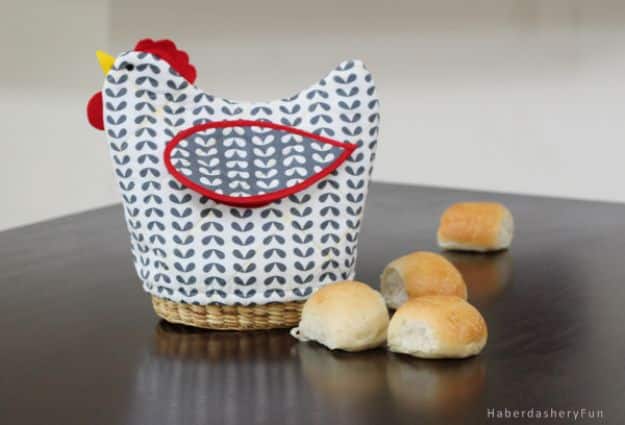
The quilted liner that keeps the rolls warm on the table, and it sells in sets because nobody owns one basket. It is scrap piecing with a batting layer, so your fabric cost is close to nothing and the quilting is what people are paying for. The simple version is as good as the fussy one, so keep the quilting lines straight and let the fabric be the interest. Thanksgiving and Christmas are when these move, so build your stock in October.
- Supplies: fabric scraps or fat quarters, batting, thread
- Approx cost: about $3 to $6 each
- Sells for: about $18 to $26 each, or $45 for a set of three. Holiday table linens are a short, profitable season.
- Margin: roughly $14 to $21 each, about 40 minutes.
Get the full tutorial at Haberdashery Fun.
18. Fabric Clip Purse
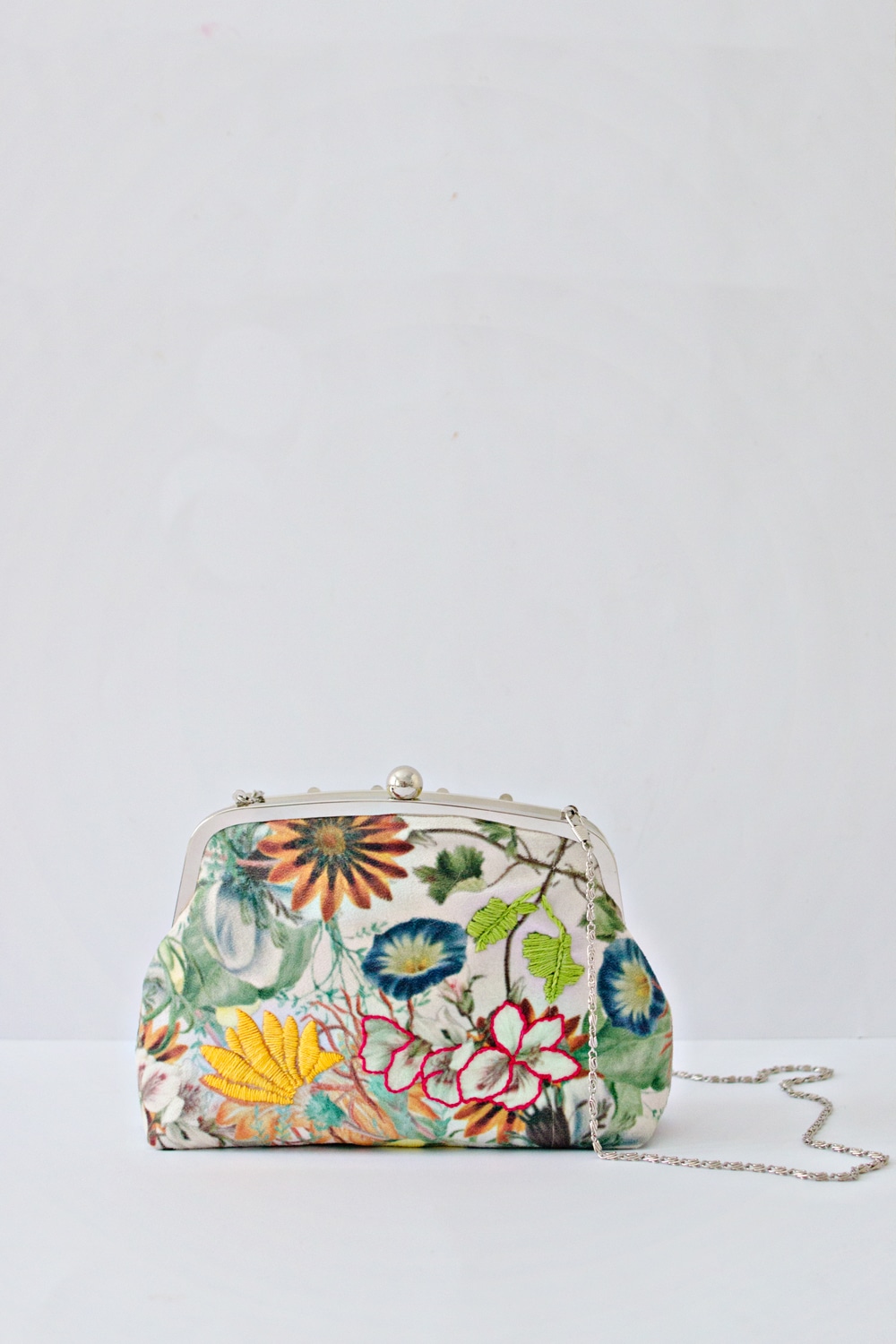
The metal clasp frame is what makes this one a good earner, because it looks like hardware a home sewer could not possibly have fitted, and it costs about four dollars. Take the extra few minutes on the gluing step, work the fabric fully into the channel, and it will snap shut with a satisfying click that sells the bag by itself. Small enough to make from remnants, distinctive enough that nobody at the fair has the same thing on their table.
- Supplies: quarter yard outer, quarter yard lining, interfacing, a metal clip purse frame, fabric glue, thread
- Approx cost: about $7 to $11 each
- Sells for: about $32 to $45. The hardware is the perceived value, and it is the cheapest part.
- Margin: roughly $22 to $34 each, about 1 hour.
Get the full tutorial at Lana Red Studio.
19. Table Setting Placemat
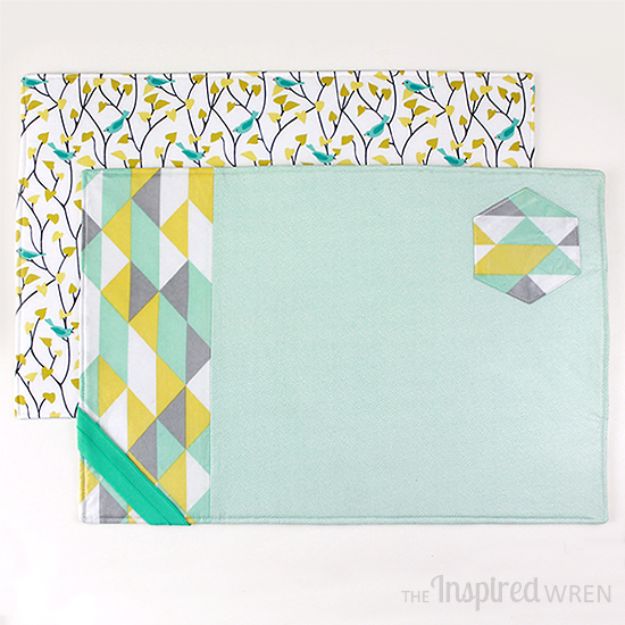
Placemats sell in fours, so every design decision you make is multiplied by four and so is every mistake. Cut all eight pieces at once, chain-stitch them, and quilt them in a batch, because doing four in sequence takes nearly twice as long as doing four in parallel. The built-in cutlery pocket is what makes this version sell over a plain rectangle, and it is what makes it a favorite for outdoor eating and for anyone setting a table with a toddler in the room.
- Supplies: 1 yard main fabric, half a yard contrast, batting, thread
- Approx cost: about $3.50 to $5 per mat
- Sells for: about $14 to $18 each, or $52 to $68 for a set of four. Never sell one.
- Margin: roughly $10 to $14 each, about 25 minutes each when batched in fours.
Get the full tutorial at The Inspired Wren.
20. Retro Camper Makeup Bag
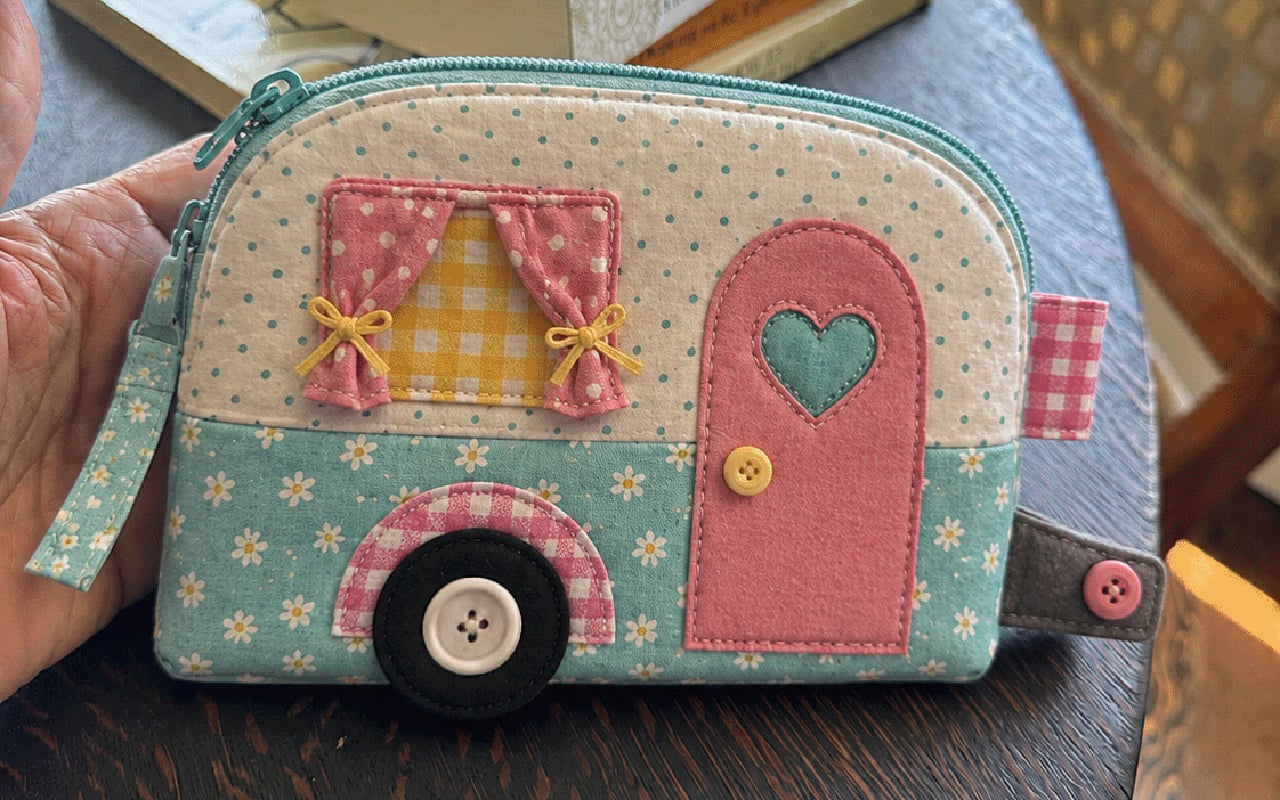
This one looks far harder than it actually is, which is exactly what you want on a craft fair table. Straight stitching, a fusible camper applique and a basic zipper, and I can finish one in an afternoon. The pattern is free. It is a proven best earner because the little camper is a whole personality: the buyer is a camper, or buying for one, and she is not comparing your price to a plain zip pouch. Stitch them in a run of cute prints and keep customers coming back.
- Supplies: quarter yard outer, quarter yard lining, fusible applique fabric, a 9 inch zipper, fusible fleece, thread
- Approx cost: about $4 to $7
- Sells for: about $28 to $38. The applique is the markup and it takes ten minutes.
- Margin: roughly $21 to $32, about 45 minutes to an hour.
Get the full tutorial at DIY JOY.
21. Stylish Retro Apron
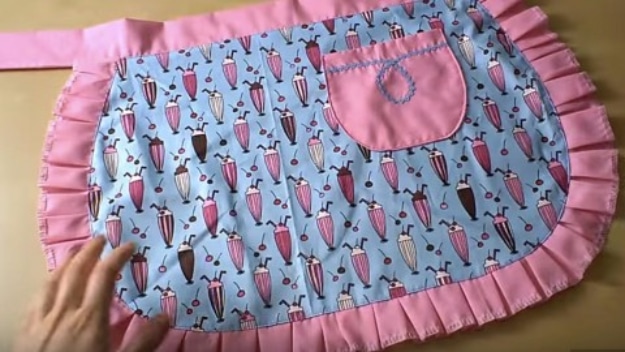
A proper retro apron with a fitted bodice and a full skirt, and it earns its place here because it sells for three times what a simple half apron does while taking maybe forty minutes longer. The vintage silhouette is the product: it photographs beautifully, it suits a gift, and it does not need sizing because the ties do the fitting. Make it in a cotton with a small print and a contrast band, and keep a finished one hanging where people can see the shape.
- Supplies: 1.5 yards of cotton, half a yard contrast, thread, our pattern and tutorial
- Approx cost: about $12 to $18
- Sells for: about $48 to $70. The bodice is what moves it out of the twenty dollar apron bracket.
- Margin: roughly $32 to $55, about 1.5 hours.
Get the full tutorial at DIY JOY.
22. Heart Backpack
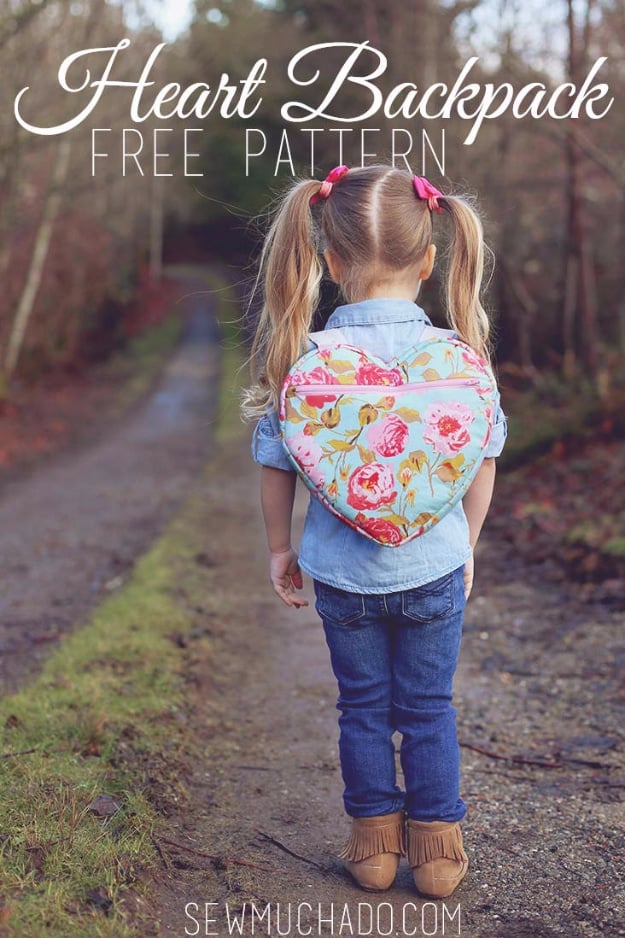
A heart shaped backpack with a free pattern and a simple tutorial, and it only takes moderate sewing skill. Backpacks take far more than a fat quarter, which is precisely why it belongs on the earners list: more fabric, more construction and a much bigger number on the tag. Kids’ bags sell hardest in August and in the weeks before Valentine’s, so make your run then. Line it, because a lined bag lasts a school year and an unlined one comes back to you.
- Supplies: 1 yard outer fabric, 1 yard lining, interfacing, a zipper, webbing for straps, thread
- Approx cost: about $12 to $18
- Sells for: about $52 to $72. Children’s bags carry an adult price because an adult is always the one paying.
- Margin: roughly $36 to $58, about 2 hours.
Get the full tutorial at Sew Much Ado.
23. Easy Laptop Sleeve
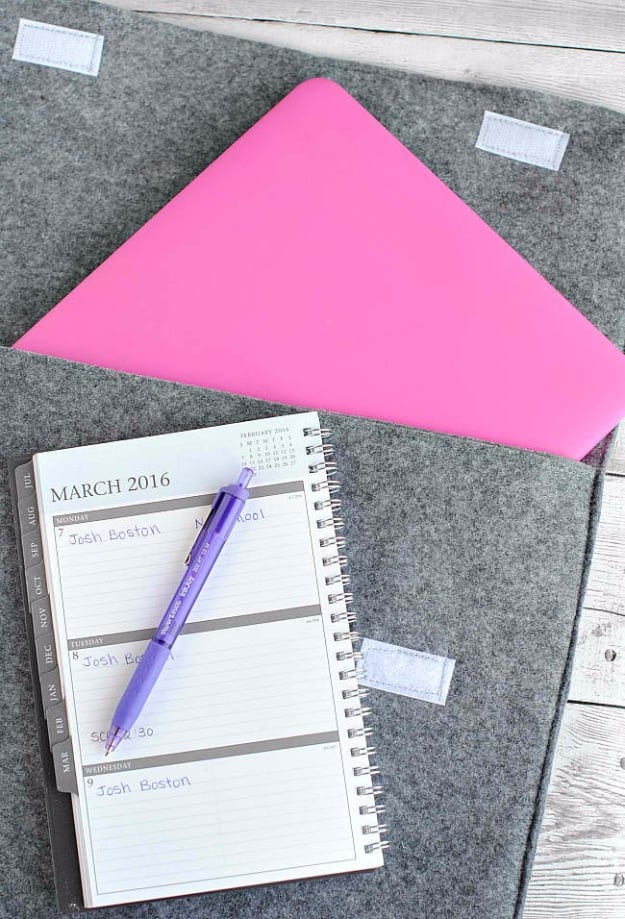
Felt from the fabric store, cut to the exact machine, and you have a ten minute product with a thirty dollar price. Laptops mostly do not come with a cover, which is the whole market in one sentence. Felt is the right material because it is thick enough to cushion, it does not fray so there is no edge finishing, and it comes in colors that suit a person who does not want a black nylon case. Measure the actual laptop, add half an inch, and offer it by model.
- Supplies: half a yard of thick felt, thread, optional snap or velcro closure
- Approx cost: about $4 to $7
- Sells for: about $26 to $36 made to size. A ten minute make with a made-to-measure price is rare.
- Margin: roughly $20 to $30, about 20 to 30 minutes.
Get the full tutorial at Crazy Little Projects.
24. Summertime Beach Bag Tote
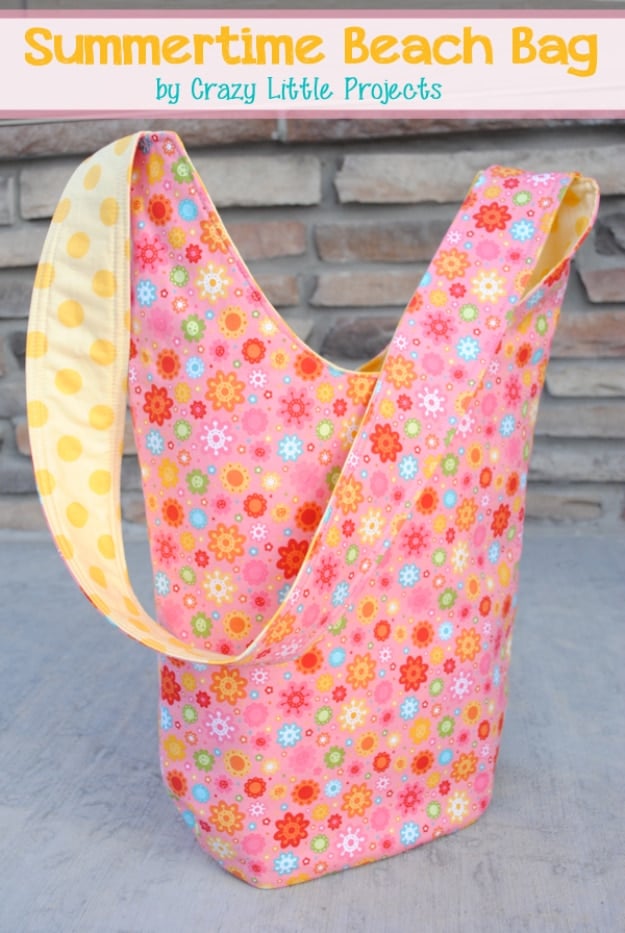
A metre of fabric and half a day, and in return the biggest bag price on your table during the only twelve weeks of the year it sells. That is the trade, and it is worth taking if you build stock in April. Make it in canvas or duck rather than quilting cotton so it stands up when it is empty and survives a wet swimsuit, and put an inside pocket in it, because a giant bag with nowhere for a phone is the complaint every beach tote gets.
- Supplies: 1 to 1.5 yards of canvas or duck, lining, interfacing, webbing for handles, thread
- Approx cost: about $14 to $22
- Sells for: about $55 to $78 in season. Seasonal pricing is real, so do not discount before August.
- Margin: roughly $36 to $58, about 2 to 3 hours.
Get the full tutorial at Crazy Little Projects.
25. Casserole Carrier Easy DIY
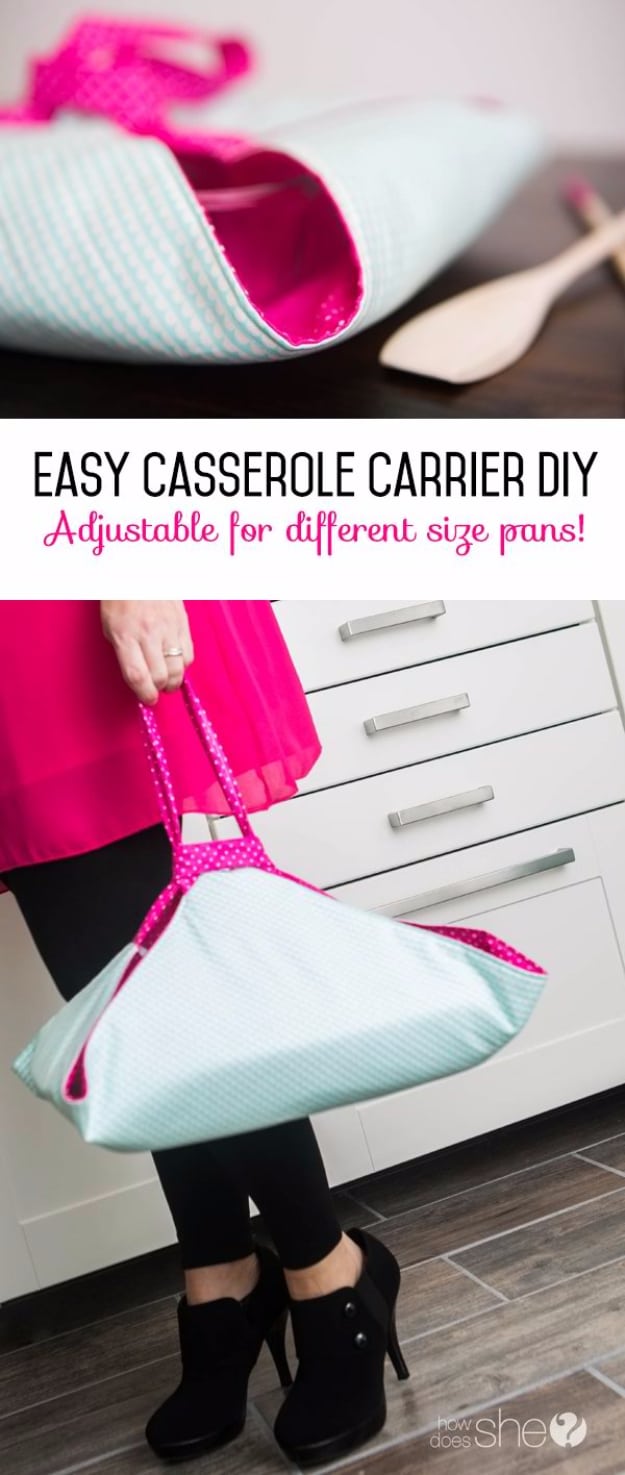
A large project with a real price, and the adjustable version fits different pan sizes, which is the detail that makes a buyer choose yours. It is insulated, it has handles, and it solves the actual problem of carrying a hot dish to a potluck without it sliding across the back seat. Church suppers, holiday potlucks and new neighbor gifts are the market, and it is a market that buys in the fall. Use Insul-Bright, and quilt the layers so it holds together after fifty washes.
- Supplies: 1 yard outer fabric, 1 yard lining, Insul-Bright, batting, webbing, velcro, thread
- Approx cost: about $14 to $20
- Sells for: about $48 to $68. Nothing in a store does this job as well, and buyers know it.
- Margin: roughly $32 to $50, about 2 hours.
Get the full tutorial at How Does She.
26. Black Faux Leather Clutch DIY

Faux leather is a bought material rather than a scrap, and that is the point: it is the material that takes a handmade bag out of the craft category entirely. In black it reads as a shop bought evening clutch, and buyers price it accordingly. Sew it with a leather or denim needle, use clips instead of pins because every pinhole is permanent, and do not backstitch over the same spot twice. One yard makes three clutches, which is where the margin comes from.
- Supplies: half a yard of faux leather, lining, a zipper or snap, leather needle, clips, thread
- Approx cost: about $9 to $14
- Sells for: about $48 to $68. Material perception is doing the pricing, and the material is not expensive.
- Margin: roughly $36 to $55, about 1 hour.
Get the full tutorial at The Felted Fox.
27. On The Go Reading Pillow
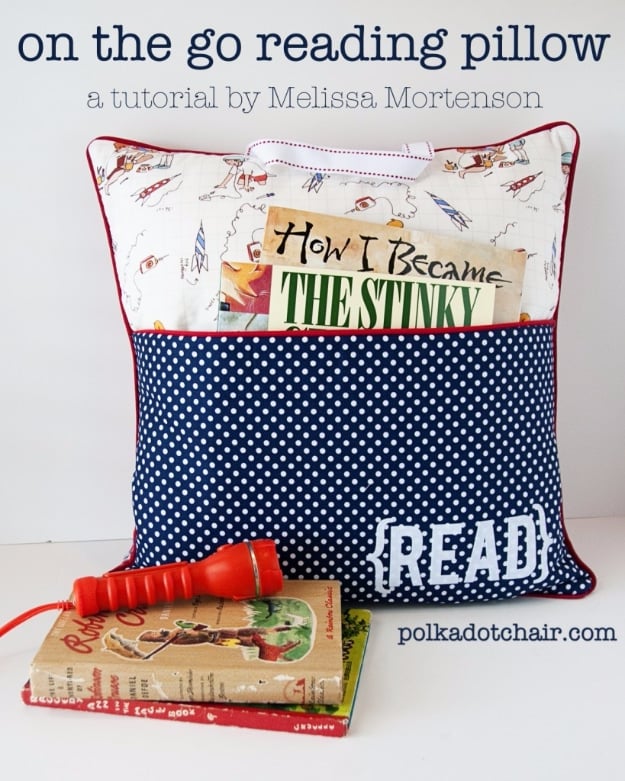
Bulky to post, so this is a fair table and local pickup item, and it is worth the space it takes up on your stall. A pillow with a book pocket and a carry handle is instantly understood by every parent who walks past, and it carries a high price because it is genuinely big. Make it in a wipeable or hard wearing fabric, applique a name on the front, and it becomes a Christmas gift rather than a cushion. One on the table, three under it.
- Supplies: 1 yard main fabric, half a yard contrast, a pillow form, webbing for the handle, thread
- Approx cost: about $14 to $20
- Sells for: about $48 to $68 personalized. Kids’ gifts price on how the giver feels, and this one feels generous.
- Margin: roughly $32 to $50, about 1.5 hours.
Get the full tutorial at Polka Dot Chair.
28. Easy Upcycled DIY Denim Jeans Bag
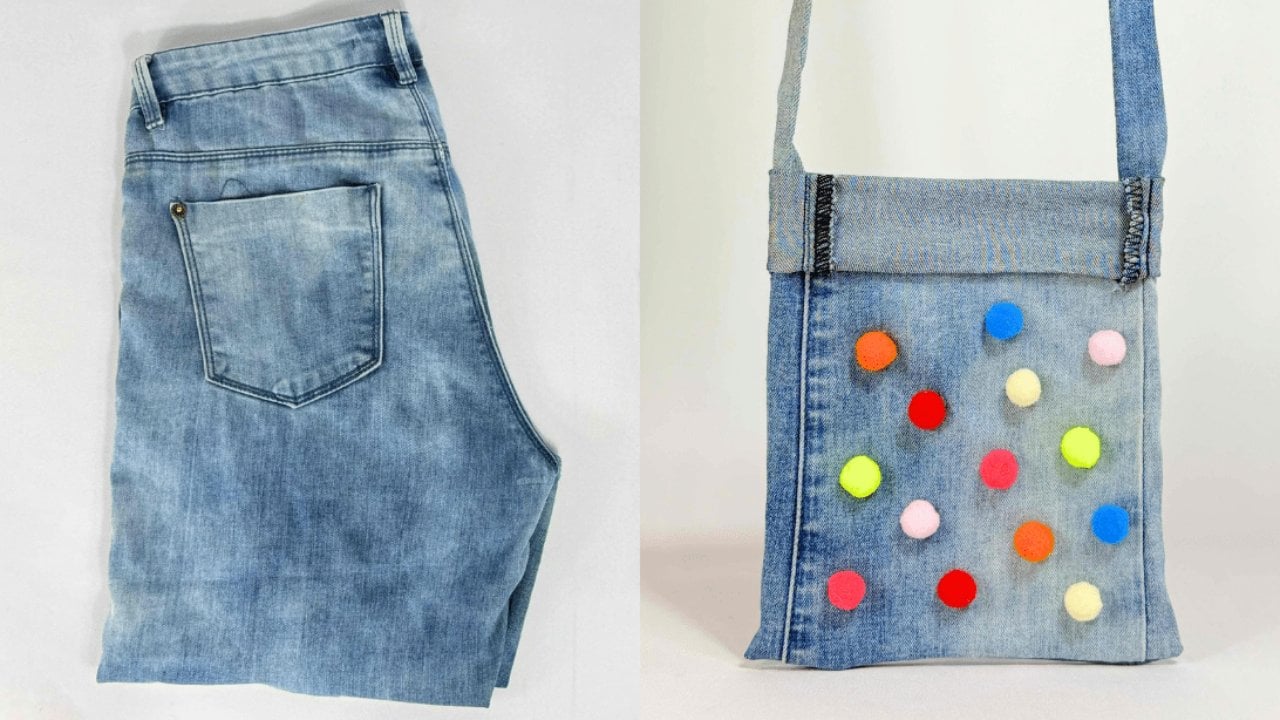
Got an old pair of jeans in the back of the closet? Do not throw them out. One leg becomes the bag body, the other becomes the strap, and your material cost for a finished bag is essentially nothing. That is the best margin in this entire family. The build is beginner friendly and completely customizable, so add pockets, add a lining, or make it a crossbody instead of a shoulder bag depending on what sells at your table. Thrift shops sell jeans by the pair for a couple of dollars.
- Supplies: one pair of old jeans, lining fabric if you want it, heavy needle, thread
- Approx cost: about $2 to $6
- Sells for: about $42 to $60. Upcycled denim sells on the story as much as the bag, and the story is free.
- Margin: roughly $38 to $55, about 1 to 1.5 hours.
Get the full tutorial at DIY JOY.
29. Jeans Pocket Placemats
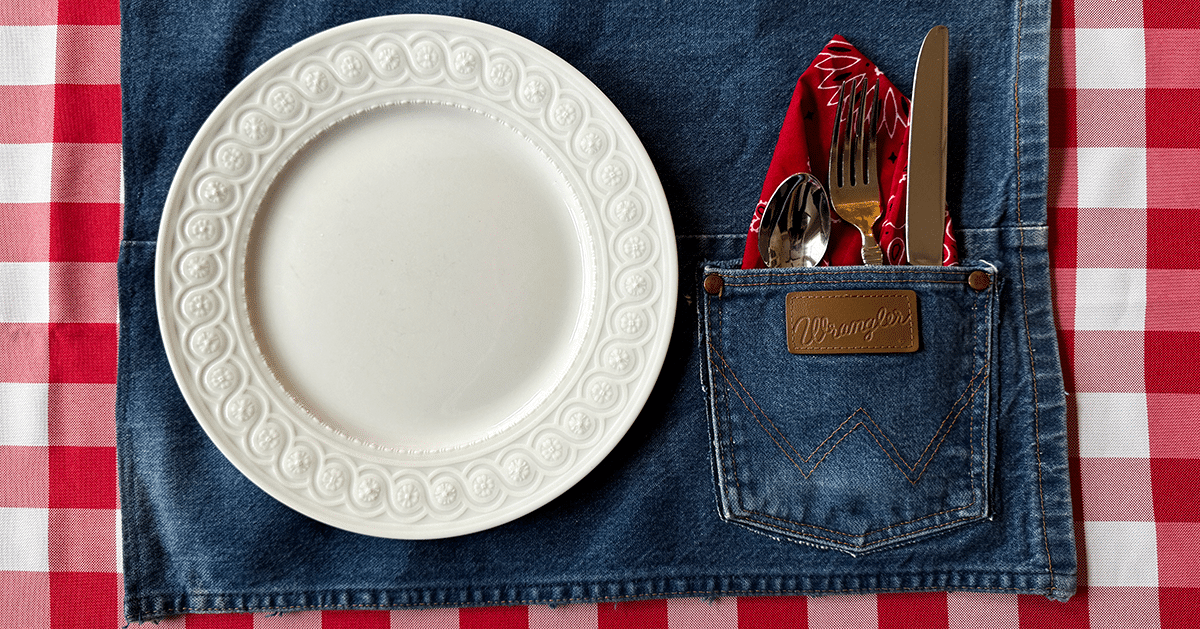
Old jeans should never be thrown out, at least in my opinion, and this is my favorite thing I have ever done with mine. Each placemat carries a different back pocket, which holds the cutlery and gives every mat in the set its own character. It requires no sewing at all: scissors, fabric glue, clips and a ruler. I picked up several pairs of old men’s jeans for less than $10, which is four placemats and a set that will sell for many times that.
- Supplies: several pairs of old jeans, fabric glue, clips, ruler, scissors
- Approx cost: about $2 to $3 per placemat
- Sells for: about $18 to $24 each, or $65 to $85 for a set of four. No sewing machine required, which widens who can make them.
- Margin: roughly $15 to $21 each, about 25 minutes each.
Get the full tutorial at DIY JOY.
30. Easy Christmas Sweater Embroidery Hack
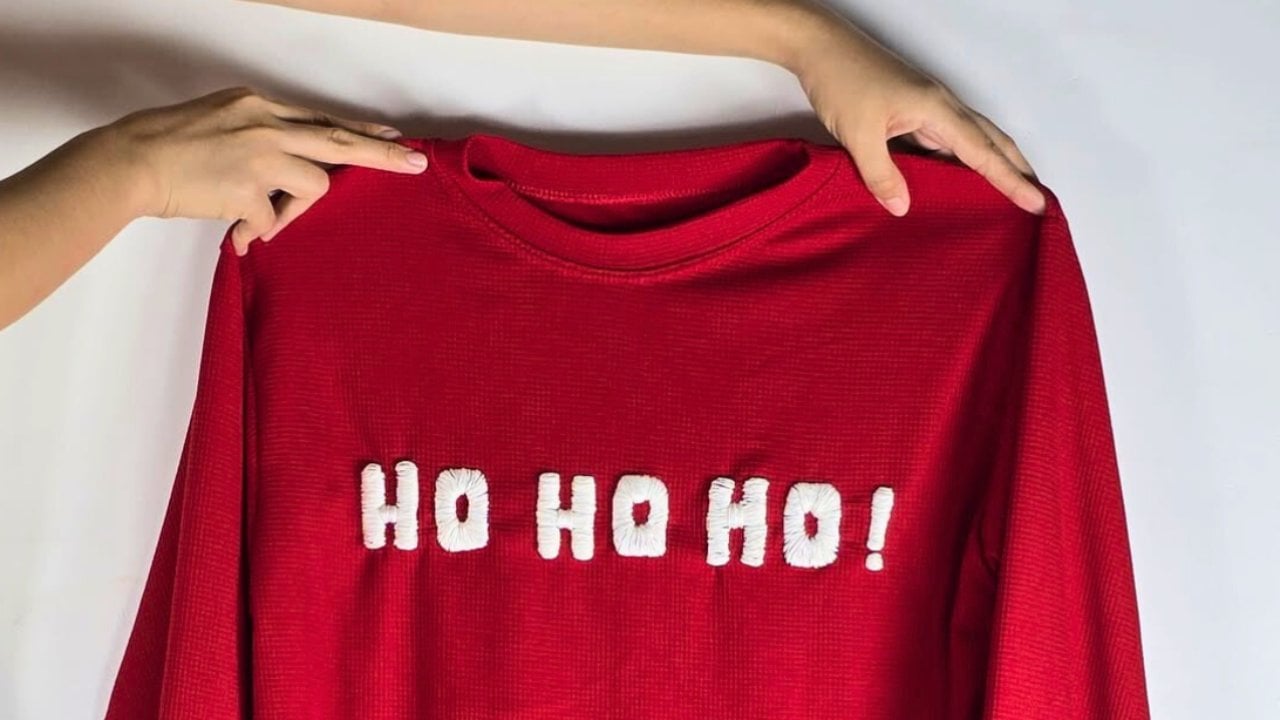
I make a pile of handmade gifts every December, and this is the one people keep asking me about. Hot glue lays down the letters, then you weave thread over the glue, and the result looks like real embossed embroidery for a fraction of the work. Better still, it is sturdy: the stitches stay put through the wash, which delicate embroidery often does not. A plain sweater becomes a named, one of a kind holiday piece, and matching sets for a family or a team are an order rather than a sale.
- Supplies: a plain knit sweater, hot glue gun and sticks, embroidery floss, needle, scissors
- Approx cost: about $8 to $14 including the sweater
- Sells for: about $45 to $65 personalized, and family sets of four go for $160 to $220.
- Margin: roughly $32 to $52 per sweater, about 1 to 1.5 hours.
Get the full tutorial at DIY JOY.
31. Floral Embroidery for Jeans Leg
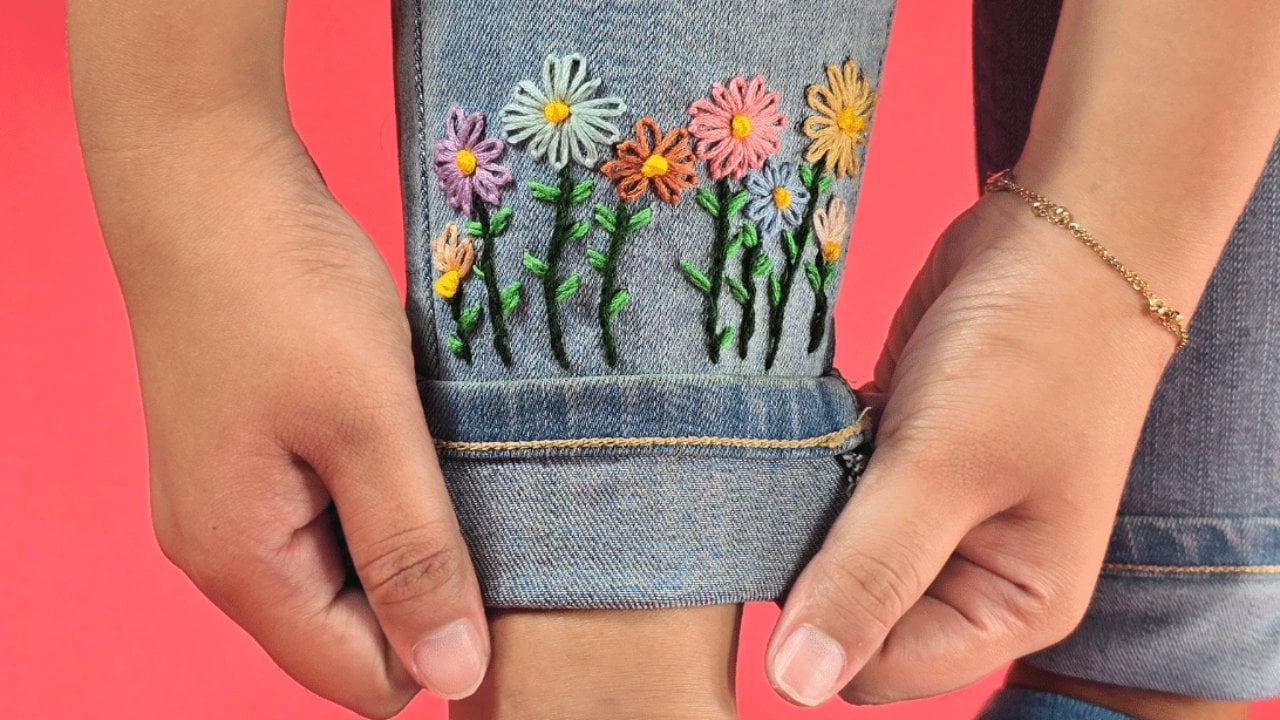
The leg gives you a much bigger canvas than a pocket, and a bigger canvas means a bigger number on the tag. Embroidered denim is having a long moment and it does not look like it is ending, so this is worth learning properly rather than dabbling in. Work the design up from the hem so it reads when the wearer is standing, keep the floss colors to four or five so it does not turn into a quilt, and charge by the size of the area rather than by the hour.
- Supplies: jeans, embroidery floss, needle, hoop, water soluble pattern paper, scissors
- Approx cost: about $4 to $7 in floss and pattern paper, plus the jeans
- Sells for: about $65 to $110 a pair depending on coverage. Statement denim is priced like a boutique piece.
- Margin: roughly $55 to $95 per pair, about 3 to 5 hours depending on the design.
Get the full tutorial at DIY JOY.
32. Easy No-Sew DIY Denim Owl
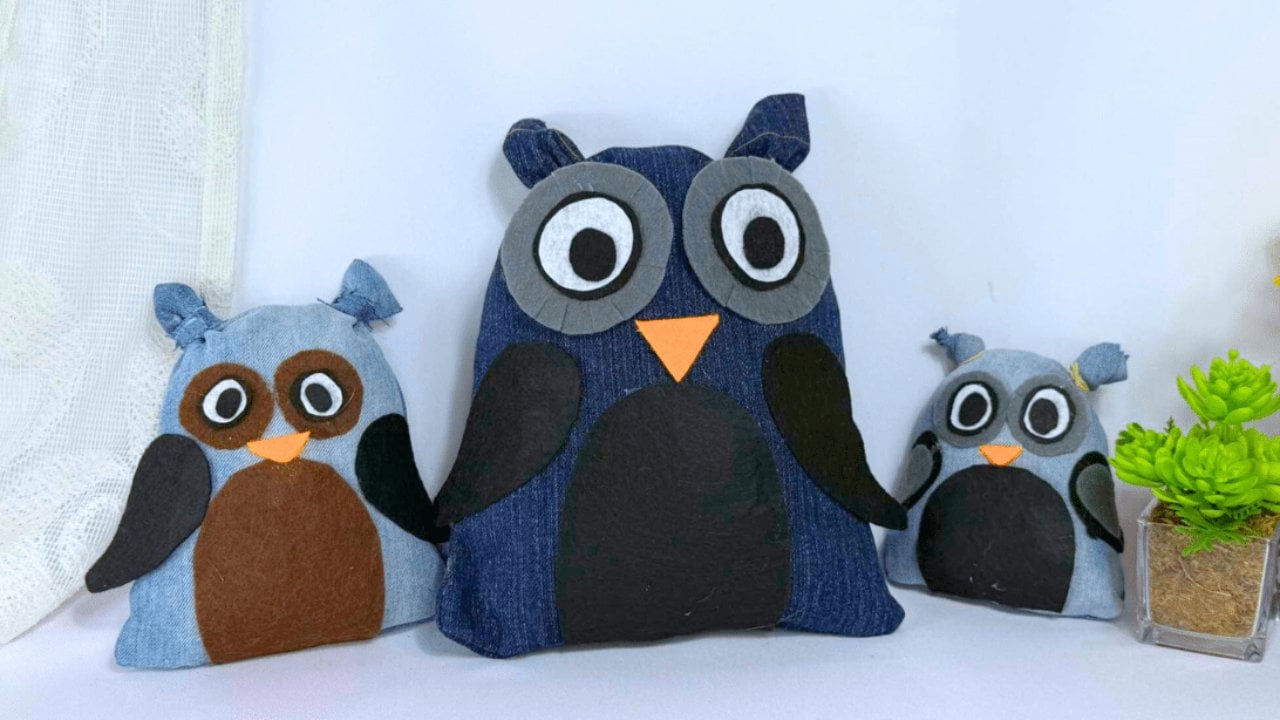
No machine and no stitching, and the denim is free, which means almost everything you charge for this one is profit. The owl shape is forgiving, the pocket and the seams of the old jeans become his face and his wings, and no two come out the same. Soft toys and shelf decor sell to a different buyer than bags and linens do, so putting a few of these at the front of your table pulls in people who were walking past your pouches.
- Supplies: old jeans, fabric glue or hot glue, polyfill, felt scraps for the face, scissors
- Approx cost: about $1.50 to $3
- Sells for: about $18 to $28. No sewing, no fabric cost, and it is the item people pick up to look at.
- Margin: roughly $16 to $25, about 30 to 40 minutes.
Get the full tutorial at DIY JOY.
33. Denim Roses From Old Jeans
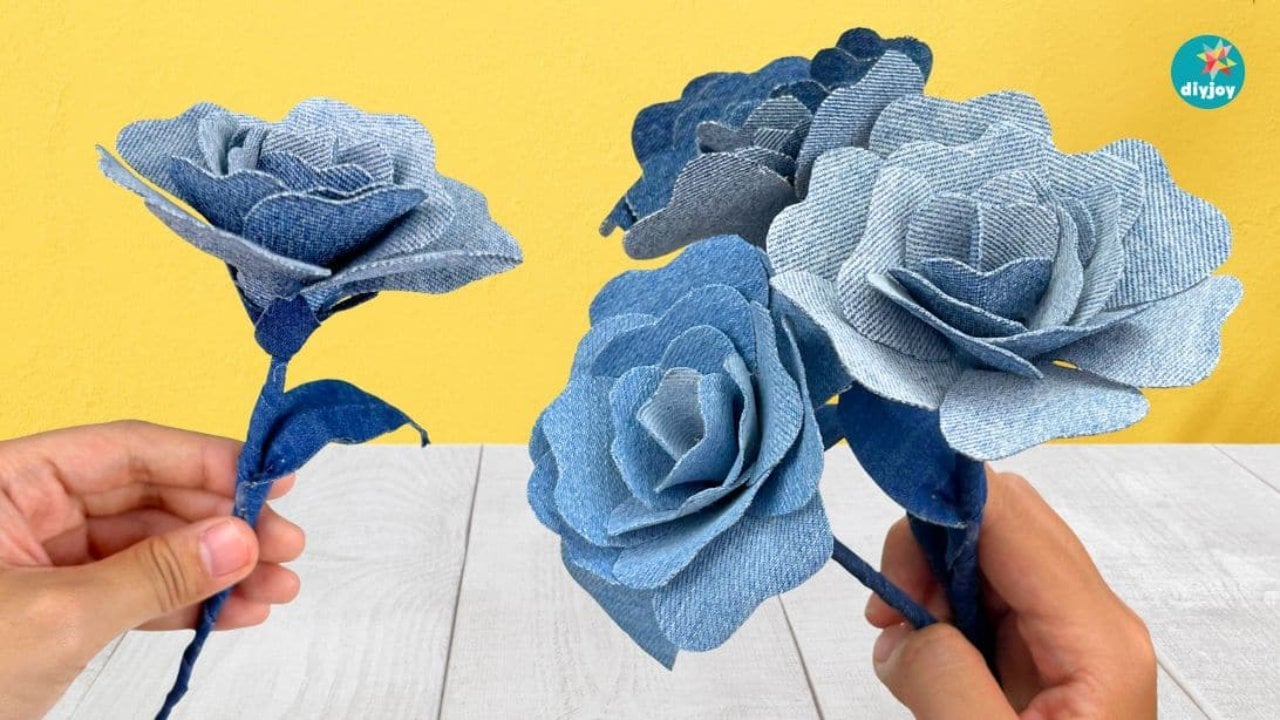
A rose that never needs water and never drops a petal, made from a pair of jeans that was going in the bin. Cut the strips, roll and glue, and the frayed denim edge gives the petals their texture, which is the part that makes people ask what it is made of. Sell them as single stems for a few dollars each and as a bunch in a jar for a great deal more, because a bouquet is a gift and a single stem is a souvenir.
- Supplies: old jeans, floral wire or wooden stems, hot glue gun and sticks, scissors
- Approx cost: about 50 cents to $1 per stem
- Sells for: about $6 to $9 a stem, or $32 to $48 for a bunch of seven. Almost free to make and it sells all year, not just in February.
- Margin: roughly $5 to $8 per stem, about 10 minutes each.
Get the full tutorial at DIY JOY.
34. DIY Fall Wreath With Felt Leaves
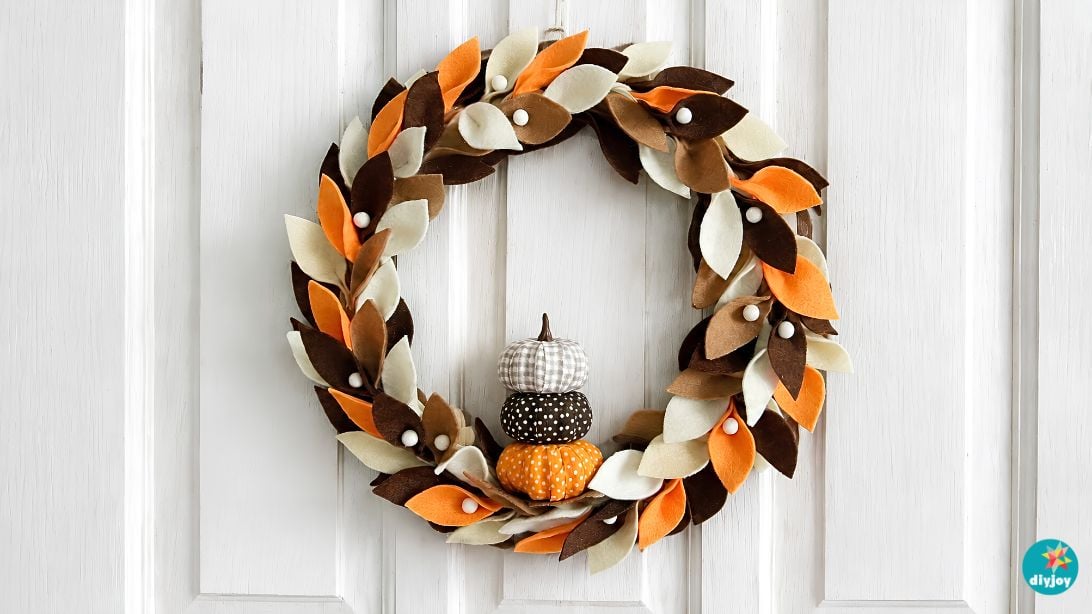
Wreaths carry the highest single-item price in seasonal decor, and a felt one beats a twig one on every practical measure: it does not shed, it does not break, and it packs flat for next year, which is what a buyer will remember when she is putting her decorations away. This one is an 11 inch form covered in felt leaves in fall colors, with small white pom poms and little fabric pumpkins. Make it in September, keep it up through Thanksgiving, and price it like decor rather than craft.
- Supplies: 11 inch wreath form, felt in fall colors, glue gun and sticks, white pom poms, fabric pumpkins, scissors, a leaf template about 2.5 by 1.25 inches
- Approx cost: about $10 to $16
- Sells for: about $45 to $70. A twelve week season, and it sells out inside it if you are at the right markets.
- Margin: roughly $32 to $55, about 1.5 to 2 hours.
Get the full tutorial at DIY JOY.
FAQ
Which sewing projects make the most money?
Bags first, then made-to-measure pieces. A laptop bag costs about $14 to $22 and sells for about $65 to $95 made to measure, because you are selling protection rather than fabric. A mermaid tail adult blanket costs about $18 to $28 in fleece and sells for about $70 to $110, where novelty and size do the pricing together.
What gives the best return for the hours?
Small makes with a handbag price. An envelope clutch purse costs about $6 to $10 and sells for about $34 to $48 on almost no material. A laptop sleeve costs about $4 to $7 and sells for about $26 to $36 made to size, and it is a ten minute make once you have the measurements in front of you.
Do upcycled and embroidered pieces earn enough to justify the time?
The embroidered ones do. Floral embroidery on a jeans leg costs about $4 to $7 in floss and pattern paper plus the jeans, and sells for about $65 to $110 a pair depending on coverage. An upcycled denim jeans bag costs about $2 to $6 and sells for about $42 to $60, because upcycled denim sells on the story.
How should you price a sewn item to sell?
Price the finished object, then check the hours against it. A retro camper makeup bag costs about $4 to $7 and sells for about $28 to $38, and the applique is the markup rather than the fabric. A fabric clip purse costs about $7 to $11 and sells for about $32 to $45, where the hardware carries the perceived value.
Do sets sell better than single sewn items?
For kitchen and table pieces they do. Oven mitts cost about $5 to $8 each and sell for about $22 to $30, or $45 to $58 for a kitchen set of three. Tea towels cost about $2.50 to $4 each and sell for about $34 to $45 for a set of three.
Where to Next