31. Basting 101
sewmamasew
32. Tips For Perfect Pressing
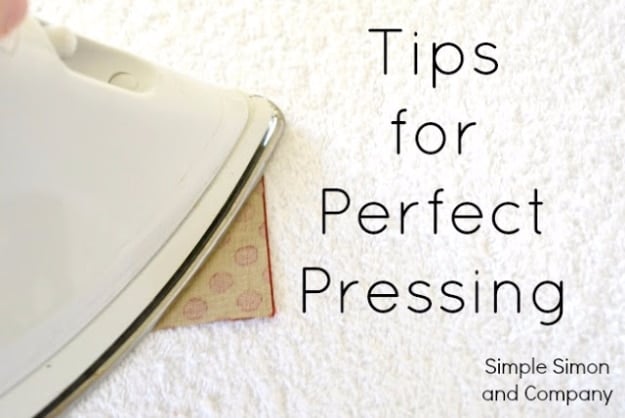
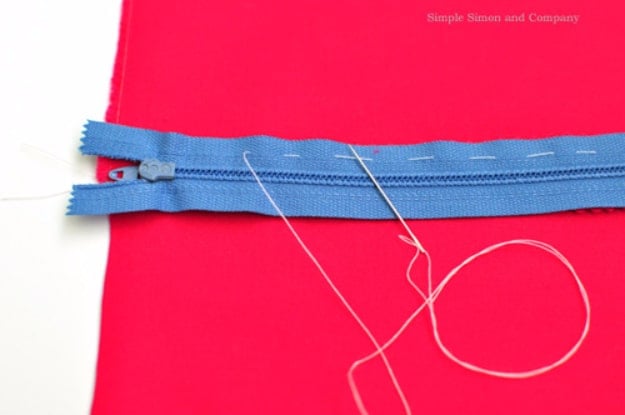
Sewists say it constantly because it is constantly true: pressing is half of sewing. Simple Simon and Co collect the habits that make it so – press every seam before crossing it with another, lift and set the iron rather than dragging, respect each fabric’s temperature, and use a pressing cloth on anything that might shine. The difference between sewn-and-pressed and merely sewn is visible from across a room. A tailor’s ham for curves is the first upgrade worth buying. The iron is not the accessory to the machine; it is the partner.
33. Sew With Elastic Thread
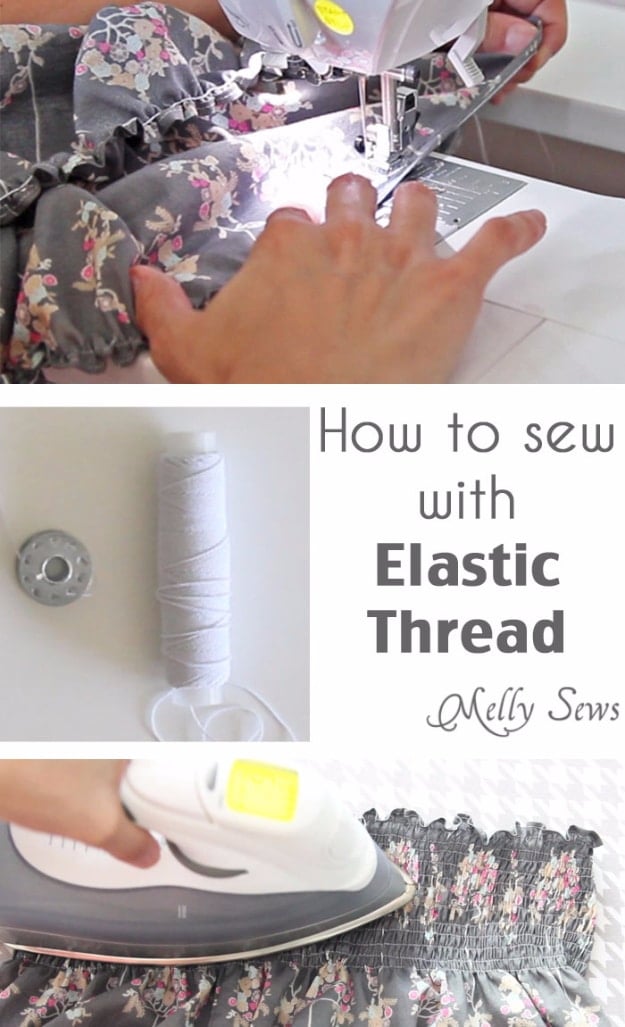
Melly Sews demystifies shirring, the elastic-thread technique behind every gathered sundress bodice on the summer sidewalk. Elastic thread rides in the bobbin – hand-wound loosely, which is the make-or-break detail – while regular thread sews on top, and each row of stitching gathers the fabric into stretchy smocking. A few parallel rows produce fabric that fits like it was engineered. Steam at the end shrinks the gathers tighter, like magic you can repeat. Summer dresses, comfy waistbands, and doll clothes all descend from this one bobbin trick.
34. Easy Seam Allowance Guide
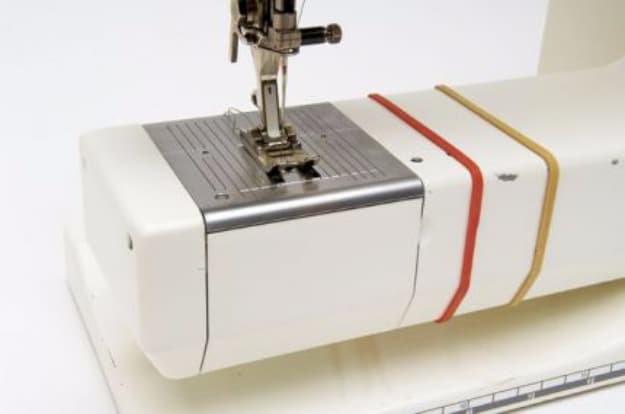
Consistent seam allowance is the invisible foundation of everything fitting together, and this guide builds the habit with simple physical references. Layered tape on the machine bed, magnetic guides, and the needle-position trick each give the fabric edge something honest to follow. Threads Magazine, the craft’s journal of record, explains why sixteenth-inch wanderings compound into full sizes across a garment’s many seams. Precision here is not fussiness; it is why the collar meets the neckline. Set up a guide once and accuracy becomes the default instead of the effort.
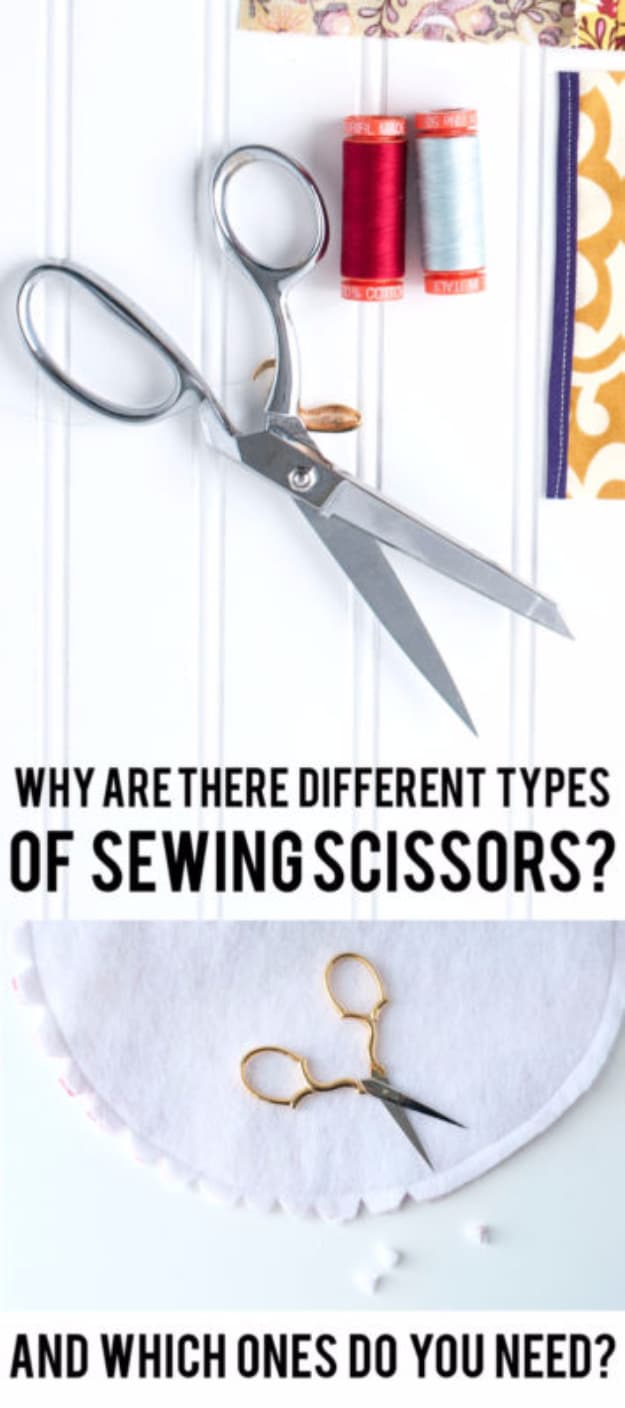
35. Types Of Sewing Scissors Explained
36. Binding Trick
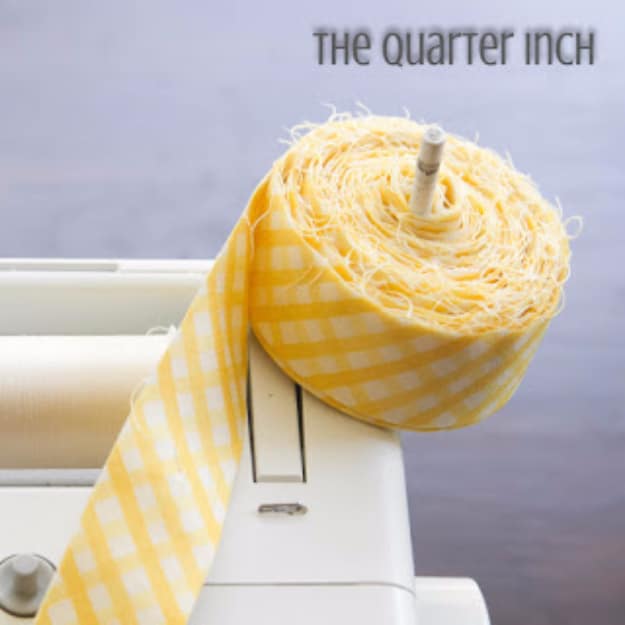
Quilt binding’s final join – where the two loose ends must meet cleanly on the bias – defeats more quilters than any other step, and this trick from The Quarter Inch closes the loop invisibly. The method overlaps the ends by exactly the binding width, joins them on the diagonal, and trims, producing a seam indistinguishable from every other join on the quilt. No lumpy overlap, no hand-stitched compromise. It is the last technique a quilter learns and the one that makes finished quilts look truly finished. Practice on a placemat and the next full quilt closes like a pro’s.
37. Power Of Stay Tape
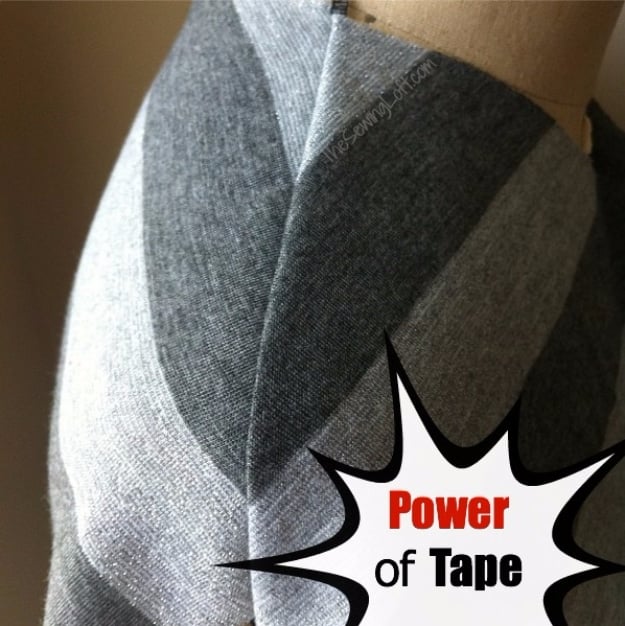
Stay tape is the unsung stabilizer that keeps shoulder seams from stretching, necklines from gaping, and knit garments from growing where they should not. A narrow strip of stable tape sewn into a seam locks that edge at its intended length forever, which is why ready-to-wear uses it everywhere you cannot see. Knowing where to add it – shoulders, V-necks, zipper openings, pocket edges – is the actual skill, and this second entry from The Sewing Loft maps those locations. It weighs nothing and costs pennies per garment. The difference between clothes that keep their shape and clothes that slowly surrender: about eighteen inches of tape.