16. Sew Knits With A Sewing Machine
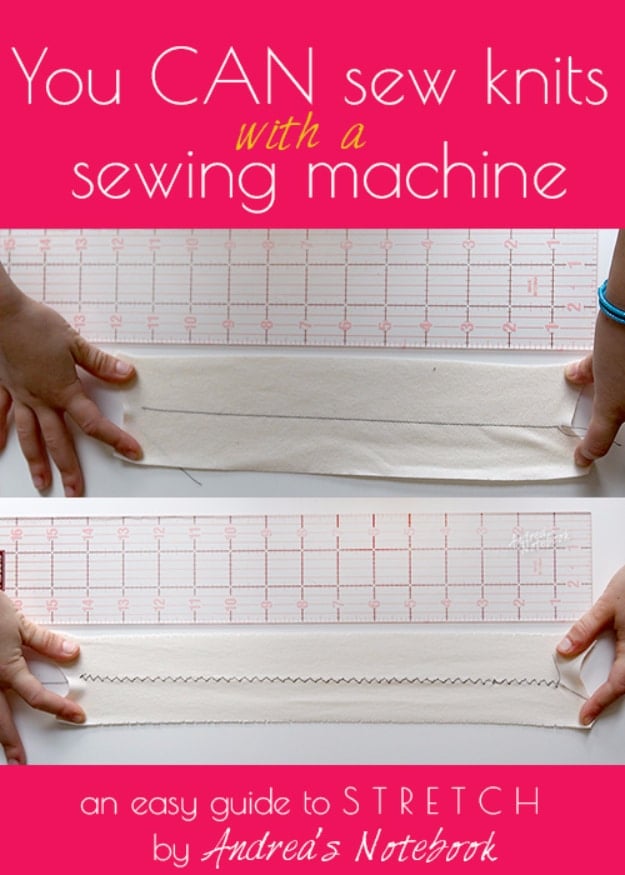
Andrea’s Notebook returns to bust the biggest myth in home sewing: that knits require a serger. A regular machine handles t-shirt and legging fabric happily with three adjustments – a ballpoint needle, a stretch or narrow zigzag stitch, and a light touch that lets the feed dogs do the moving. The ballpoint needle alone solves most skipped-stitch complaints, sliding between knit loops instead of piercing them. Suddenly the entire world of comfortable clothes opens to your standard machine. The serger can stay a someday purchase; the leggings can start today.
17. Use Pins The Right Way
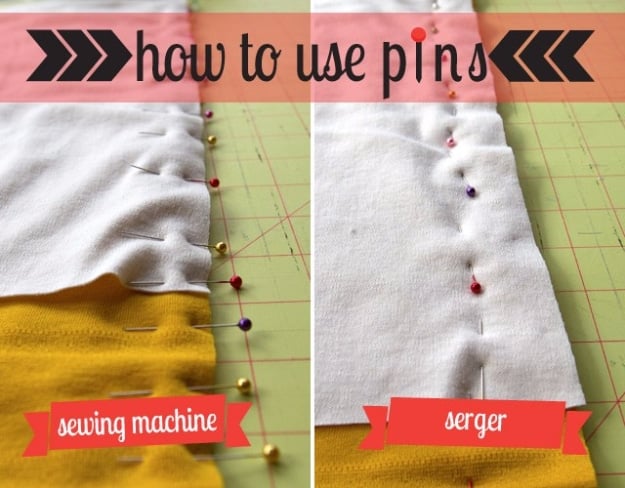
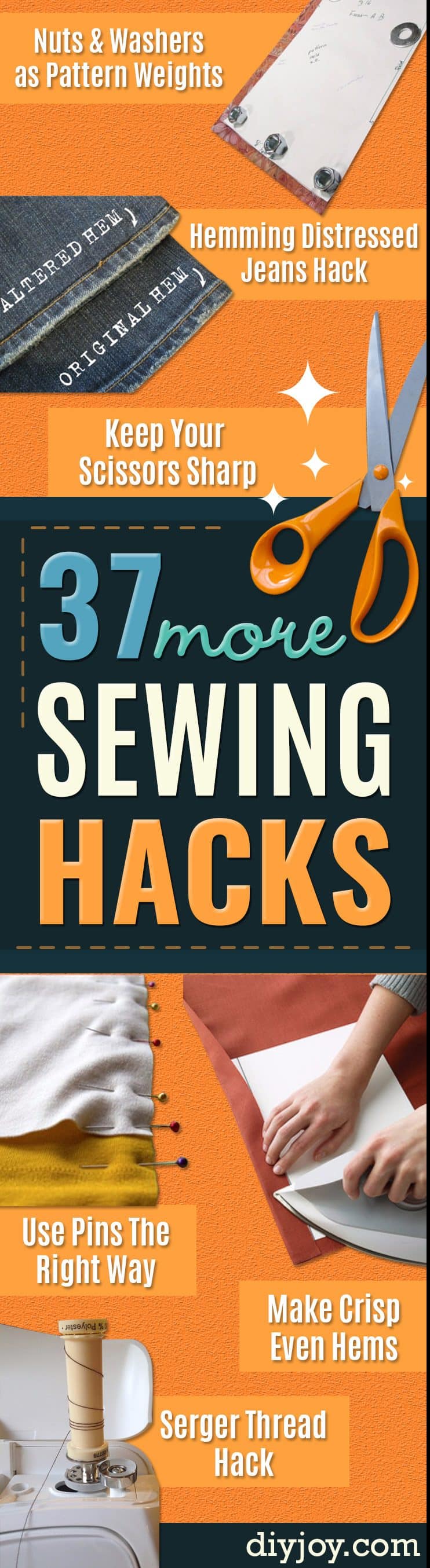
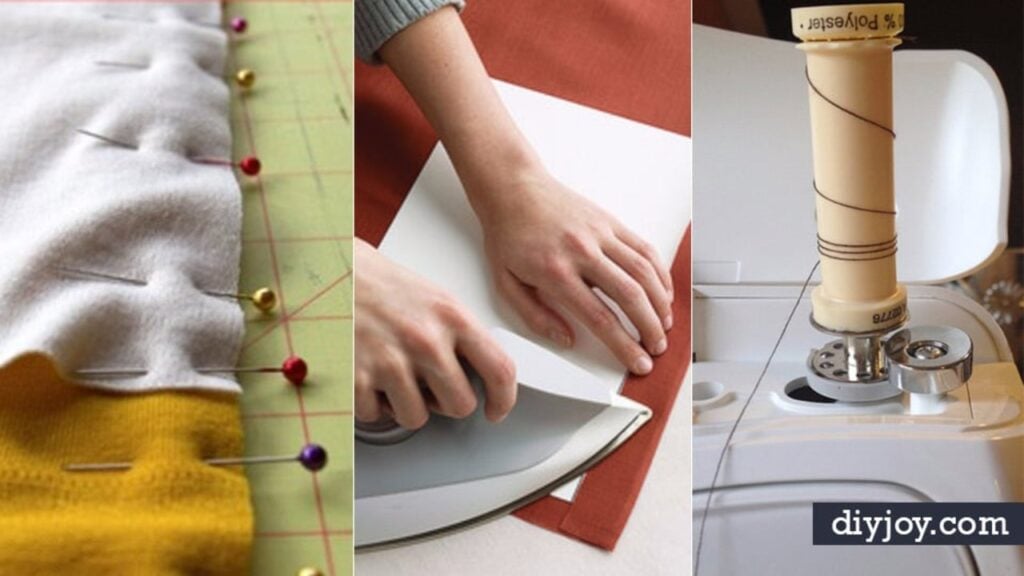
Pinning has a right way, and most self-taught sewists never learn it: perpendicular to the seam line, heads toward the edge for easy removal, and never, ever sewn over no matter what your grandmother got away with. Perpendicular placement holds layers truer and pulls out one-handed mid-seam without breaking rhythm. Sewing over pins gambles the machine’s timing against a needle strike, a bet that eventually loses expensively. Go To Sew explains the reasoning behind each habit, which makes the retraining stick. Five minutes of technique reading, a lifetime of straighter seams and unbroken needles.
18. Make Your Own pattern Weights
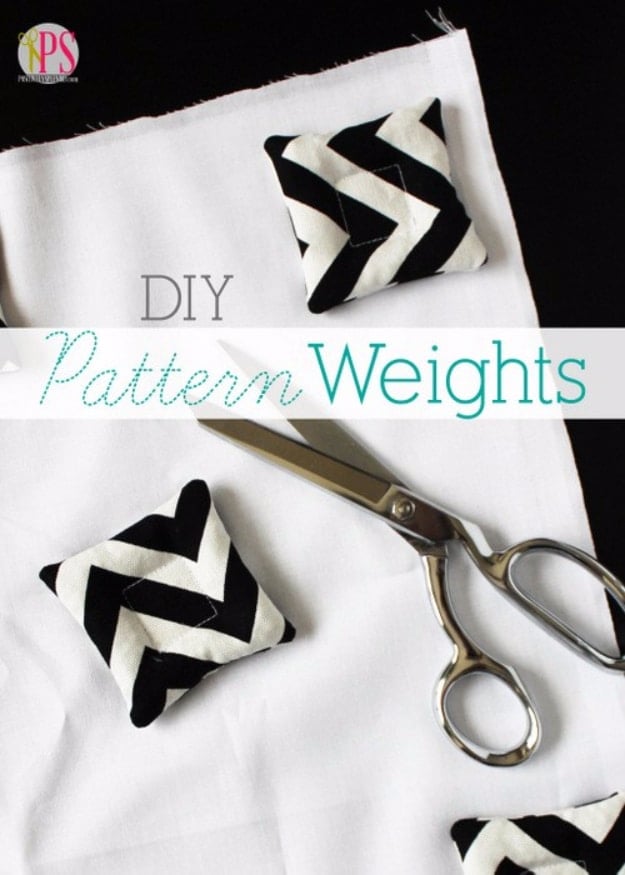
Pattern weights beat pins for cutting speed once you try them, and making your own turns a notions expense into a scrap project. Fabric-covered washers, filled fabric squares, or little bean-bag style weights hold pattern pieces flat while the rotary cutter flies around them, no pinning and unpinning marathon required. The version at Positively Splendid sews cute covered sets that double as pincushion-adjacent decor. Weights also spare delicate fabrics the pinholes that pins leave behind. Make eight, use six, gift two – the standard weights economy.
19. No Knot No Tail
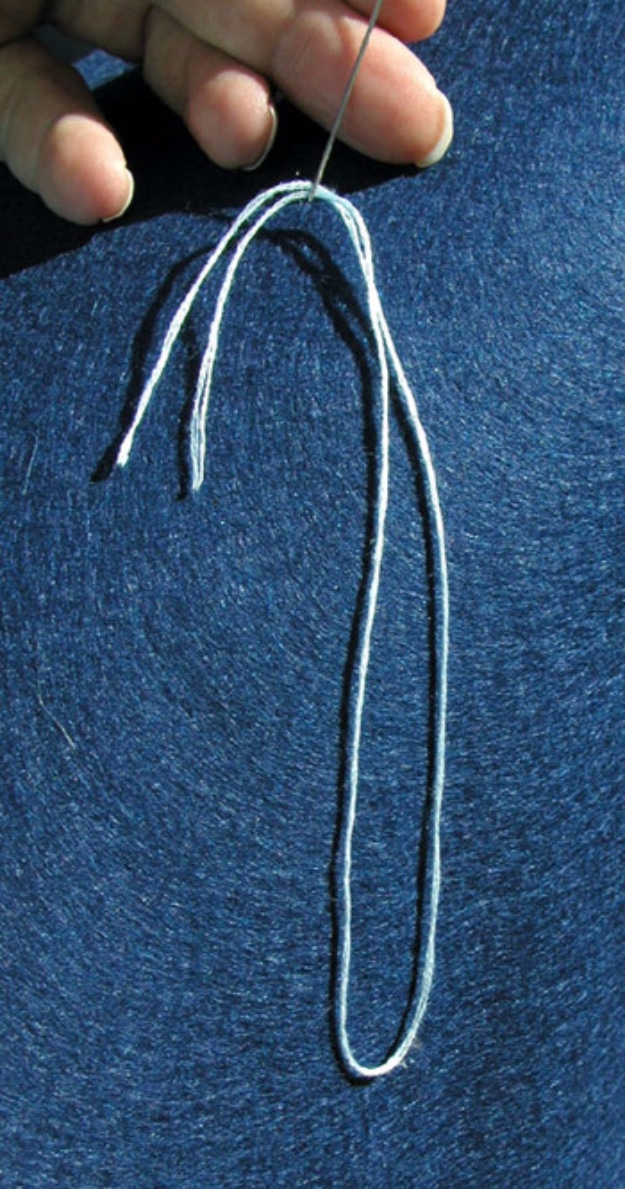
Bella Dia shares the hand-sewing trick that eliminates the knot entirely: a tiny anchoring backstitch buried in the fabric that holds as strongly as any knot without the lump or the tail. Knot bumps show through fine fabrics and catch on everything, which is why tailors abandoned them generations ago. The anchor stitch takes two seconds once seen and becomes automatic within a week. It also ends the thread-tail-pulling-loose heartbreak on hems and buttons. Small habit, cleaner work, forever.
20. Hemming Distressed Jeans
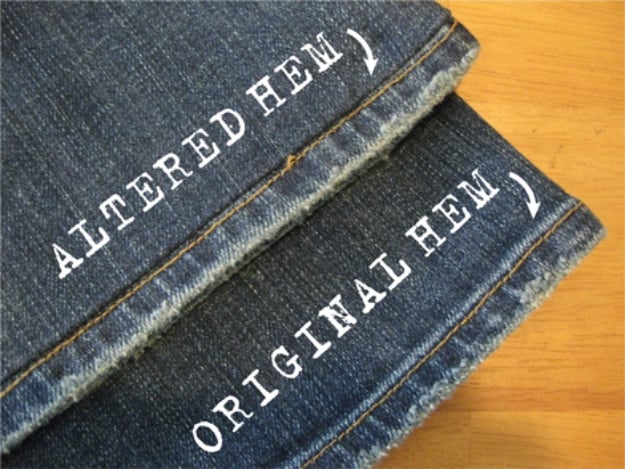
Shortening jeans usually means amputating the perfectly distressed original hem and replacing it with an obviously fresh one, but this hack keeps the factory edge. The method tucks the excess length into a hidden fold above the original hem, stitches in the ditch, and preserves that authentic wear on the bottom edge. From the front, the jeans look untouched, just shorter, which is the entire point. It works on kids’ jeans that will need the length back later – unpick and regrow. Just Something I Made documents the fold, and every petite jeans-wearer deserves the link.