26. Nuts And Washers As Pattern Weights
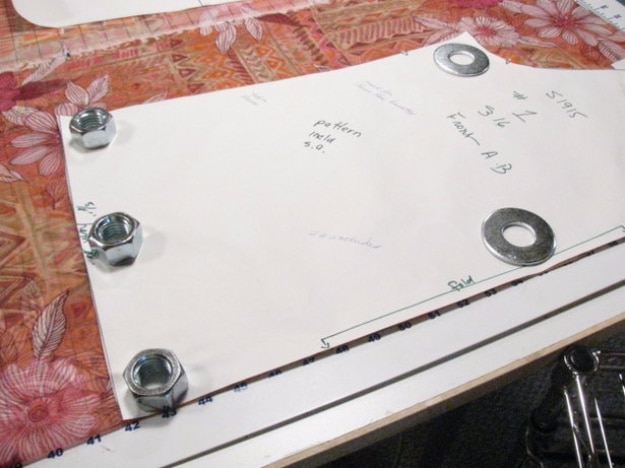
BurdaStyle, the pattern house that has outfitted generations of home sewists, endorses the hardware-store shortcut: large nuts and washers straight from the fastener aisle as pattern weights. They are flat, dense, cheap by the pound, and small enough to hold tissue edges and tight curves that bigger weights bridge awkwardly. Stack washers for more hold; scatter singles along long edges. A magnet in a dish keeps the collection tidy between projects. Zero crafting required, unless you enjoy sewing little covers for them, which – see item eighteen.
27. Tips For Sewing With Leather
28. Tension Trouble Tip
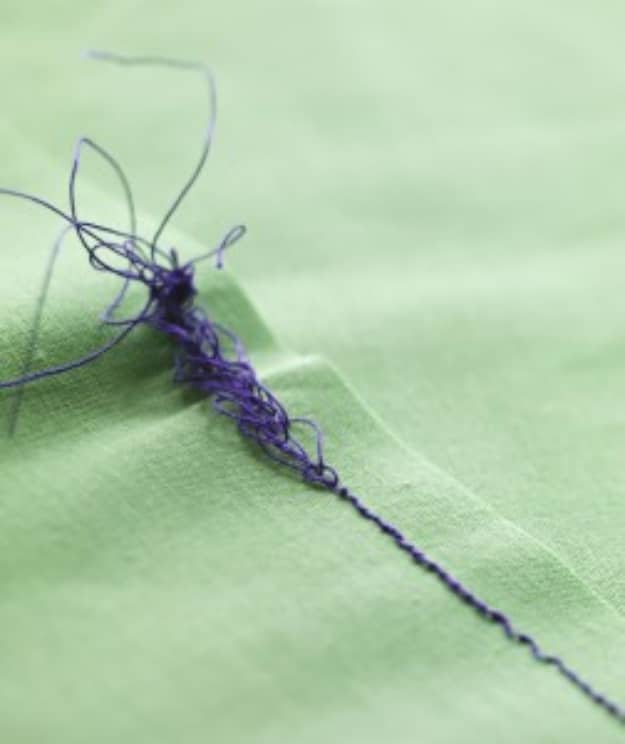
Machine tension problems produce the loops, nests, and puckers that send sewists to the repair shop, and this tip resolves most of them at home. The diagnostic sequence: rethread everything first, top and bobbin, with the presser foot UP so the thread seats between the tension discs, then test on a doubled scrap before touching any dials. An enormous share of tension trouble is actually threading trouble wearing a disguise. When adjustment is truly needed, quarter-turns and test seams find the sweet spot fast. All People Quilt walks the sequence, and the repair shop keeps waiting.
29. Sew Perfect Scalloped Edges
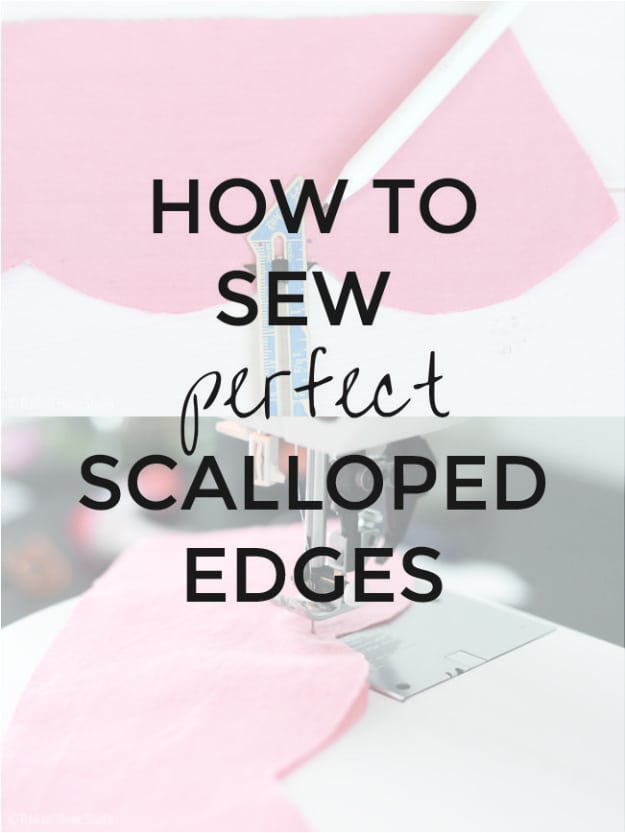
Scalloped edges look like advanced magic and reduce to one discipline: sew the curves slowly, clip the valleys precisely, and press like you mean it. Radiant Home Studio adds the template method that keeps every scallop identical, which is the actual secret – the eye forgives nothing on a repeated curve. Notching the inner points lets each scallop turn smoothly without bunching. The finished edge elevates baby blankets, collars, and pillowcases into keepsake territory. Patience is the only rare material in this technique.
30. Tangle Free Hand Sewing
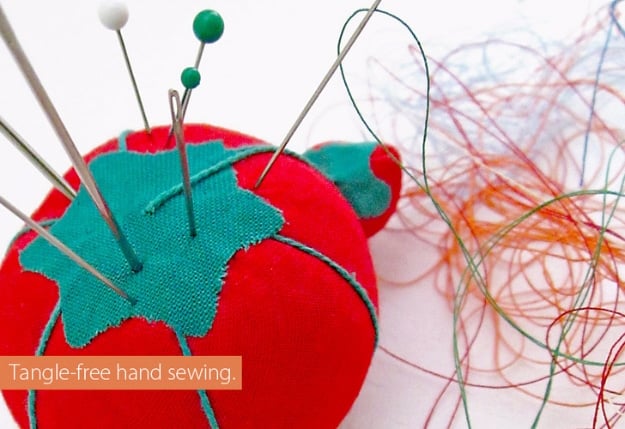
Sew 4 Home ends the hand-sewing curse everyone accepts as fate: thread that twists, knots, and tangles itself mid-seam. The fixes stack – cut thread at an angle, thread the needle with the end that came off the spool first, work with forearm-length pieces, and let the needle dangle every so often to unwind accumulated twist. Beeswax or conditioner armors the thread for hem marathons. Each habit is tiny; together they make hand sewing almost serene. The needle was never the problem; the physics was.