Want fresh tomatoes and herbs without fighting rocky soil, weeds or a sore back? A raised bed fixes all three, and you don’t need a big yard or a big budget to build one. These 27 DIY garden beds run from a weekend cinder block bed to waist-high cedar tables, rolling herb boxes, a stone keyhole garden and a strawberry pyramid tower. You’ll find cheap fence picket beds that cost about $10 in lumber, pallet builds that cost next to nothing, and a few showstoppers with arched trellises and bench seats. Our own $40 two-tier planter box video is in here too, and it’s simple enough to build with the kids. Quick tip before you buy wood: keep beds about 4 feet wide so you can reach the middle from either side. Happy building!
Table of Contents
- 1. Cinder Block Raised Garden Bed
- 2. Raised Beds Edged With Brick
- 3. Fenced Garden Bed
- 4. DIY Tiered Herb Garden
- 5. DIY Simple Raised Bed On Wheels
- 6. The Ultimate Raised Bed
- 7. Easy DIY Planter Box
- 8. Simple Wood Raised Garden Beds
- 9. Raised Beds With an Arched Trellis Entry
- 10. Raised Garden Bed Along Fence
- 11. Square Foot Garden Bed
- 12. Large Wood Planter Boxes
- 13. DIY Raised Garden Planter Made From A Wooden Pallet
- 14. $10 Cedar Raised Garden Beds
- 15. Raised Bed With Legs
- 16. DIY Garden Planter Box
- 17. Elevated Garden Bed
- 18. Simple Cedar Raised Bed Against the House
- 19. Plastic Kiddie Pool into a Garden Bed
- 20. Build Your Own Elevated Raised Garden Bed
- 21. Curved Raised Beds
- 22. DIY Raised Garden Bed With Landscaping Timbers
- 23. U-Shaped Raised Garden Bed
- 24. Vertical Garden Bed
- 25. Raised Garden Bed Benches
- 26. Keyhole Garden
- 27. Backyard Raised Vegetable Beds
1. Cinder Block Raised Garden Bed

A cinder block raised garden bed is about as close to foolproof as building gets, since there’s nothing to cut or screw together. Lay out 8 by 8 by 16 inch blocks, eight along each long side and three on each end, for 22 blocks per bed. Level any high spots by scraping out a little grass or tucking sand under a block. Line the bottom with paper or cardboard, then fill with a compost and topsoil mix. Bonus: the open holes in the blocks make perfect little pockets for marigolds or herbs.
Get the full tutorial at Sunshine and Rainy Days.
2. Raised Beds Edged With Brick
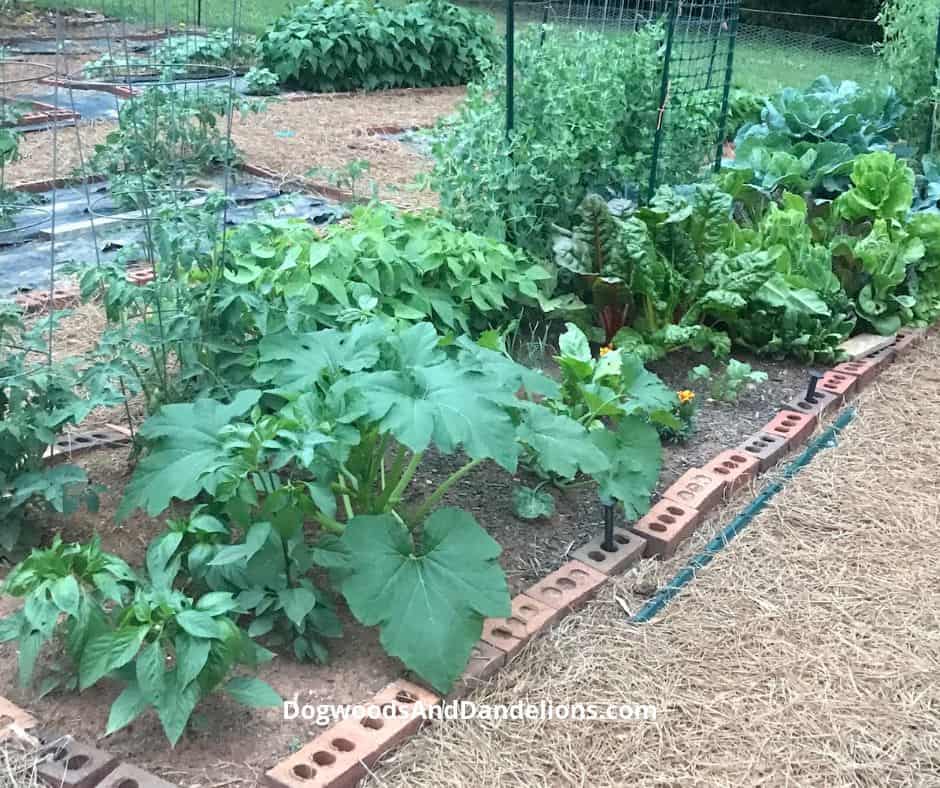
Got a pile of leftover bricks? Lay them end to end around a planting area and you’ve got raised beds edged with brick for practically free. They don’t lift the soil very high, so think of them as tidy garden beds rather than deep boxes. The real win is that you never step on the growing area, so the soil stays loose for carrots and potatoes, warms up earlier in spring and drains well after heavy rain. Mulch the walkways with straw and you’ll only water where plants actually grow.
Get the full tutorial at Dogwoods and Dandelions.
3. Fenced Garden Bed
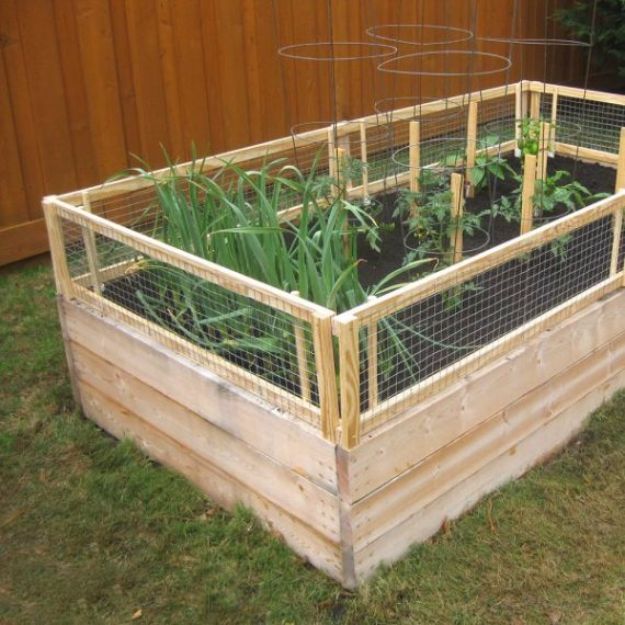
A fenced garden bed keeps rabbits and deer out without making you climb over a wall every time you weed. Each removable gate is a simple 4 foot by 1 foot frame of 1 by 2 furring strips, covered in hardware cloth with staples and topped with a dowel for a handle. Short pieces of PVC pipe screwed inside the bed with conduit brackets act as sleeves, so each gate just drops in and lifts out. Build them taller if your critters are bigger, and stain them to match the bed.
Get the full tutorial at Fine Gardening.
4. DIY Tiered Herb Garden
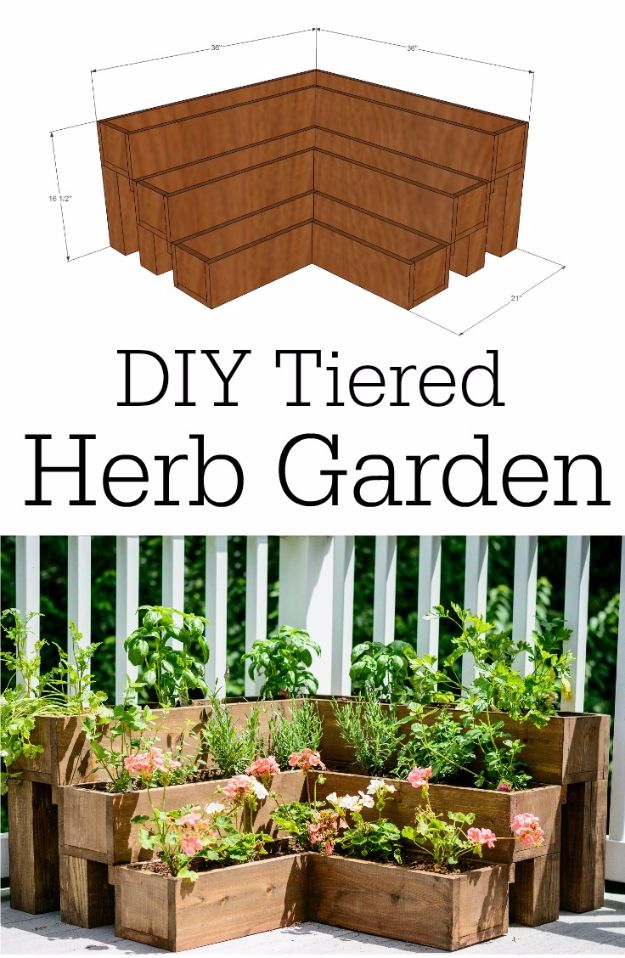
This DIY tiered herb garden squeezes three levels of planting into one deck corner, which is perfect if deer eat everything in the yard. It’s built from 1 by 6 cedar, with each tier made as an L-shaped box joined with pocket screws and wood glue. Short 4 by 4 legs lift the middle and top tiers so they step up like stairs. Drill drainage holes with a spade bit, seal the seams with clear silicone, line it with landscape fabric and finish with outdoor stain. Then fill it with basil and mint.
Get the full tutorial at Decor and the Dog.
5. DIY Simple Raised Bed On Wheels

A DIY simple raised bed on wheels lets you roll your herb garden into the sun, or away from the deer. Two 6 foot redwood fence boards make the sides, an OSB panel makes the floor and an 8 foot 4 by 4 cut into four 2 foot legs lifts it to a comfy height. Here’s the trick: cut the short sides about 22 and a half inches so the floor fits snugly underneath. Seal the bottom with polycrylic to fight moisture, then screw casters onto the legs. Fence lumber keeps it cheap.
Get the full tutorial at Nine Red.
6. The Ultimate Raised Bed

The ultimate raised bed is a classic 4 by 8 foot box you can finish in a weekend. Use 2 by 12 boards for the sides and ends, ideally rot-resistant redwood, and screw them into 16 inch 4 by 4 corner posts. Staple 1/4 inch hardware cloth across the bottom to keep gophers out. For extras, screw short PVC pipes inside the corners, then slide in bent rebar hoops to hold bird netting or a row cover. Fill it with equal parts planting soil and compost, and add drip lines if you like.
Get the full tutorial at Sunset.
7. Easy DIY Planter Box
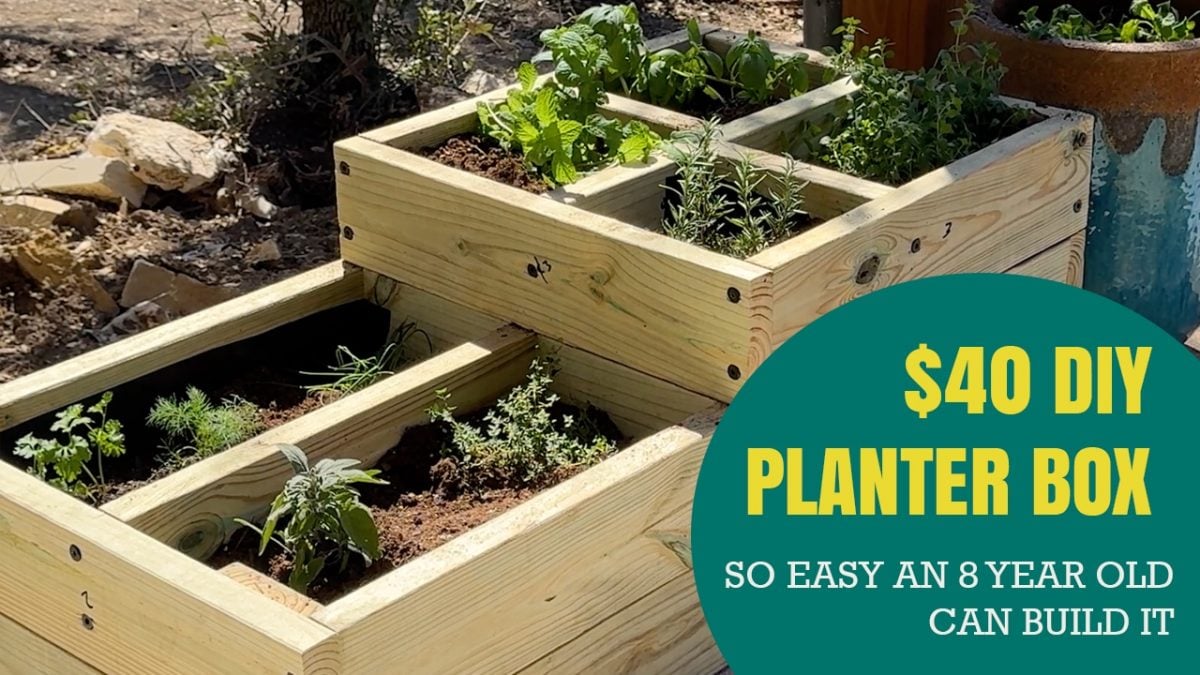
This easy DIY planter box looks high end but costs about $40 and needs just five 2 by 6 boards, a saw, a drill and some screws. It’s a two-tier design with dividers, so you can keep sun lovers apart from shade plants or give every herb its own little room. The raised build puts everything within easy reach, and it fits on a patio, a balcony or a small yard. It took about an hour and it’s simple enough to build with the kids, so watch the video and grab a drill!
Get the full tutorial at DIY JOY.
8. Simple Wood Raised Garden Beds
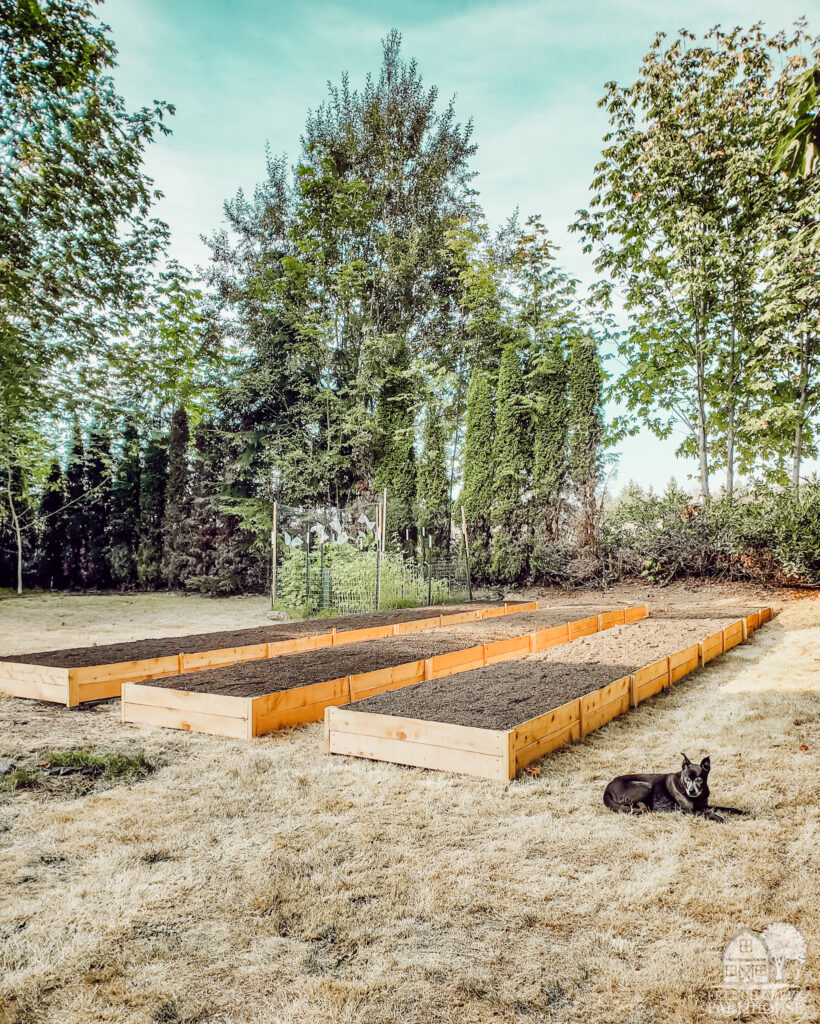
Simple wood raised garden beds are a smart way to test a new crop before you commit. These long, low beds went in on a budget as an experiment, then got a spring flip: pull out the last of the spring blooms, harvest the veggies, and clear the debris. After a snowy winter they needed reinforcing where the sides had bowed, plus T-posts to corral tall dahlias later. Top each bed with 2 to 3 inches of composted mulch mixed with sand for drainage, and they’re ready to plant again.
Get the full tutorial at French Creek Farmhouse.
9. Raised Beds With an Arched Trellis Entry
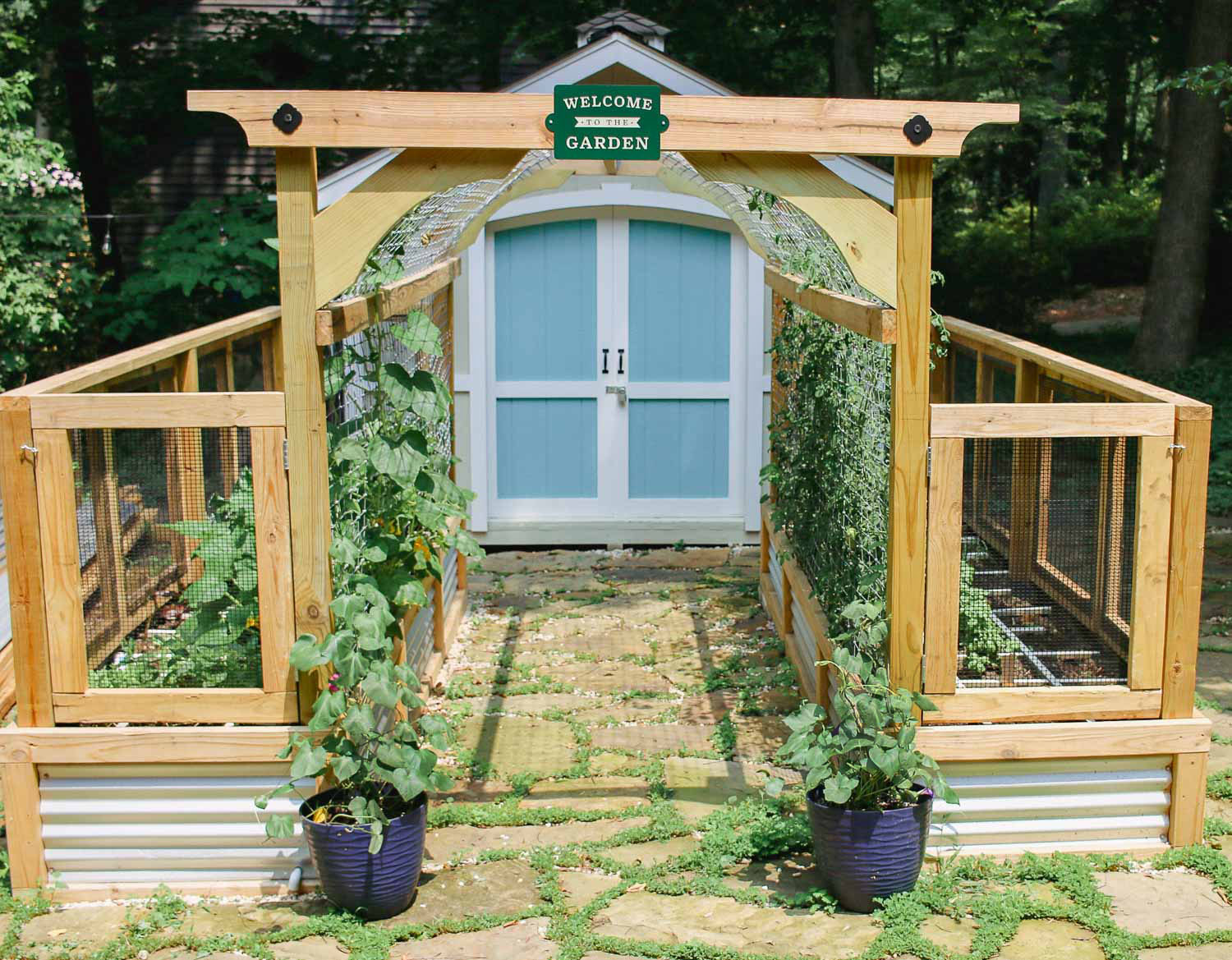
Raised beds with an arched trellis entry are the dream build if critters keep stealing your harvest. Two fenced beds face each other across a stone path, joined overhead by a 7 foot arched trellis that beans and cucumbers can climb all summer. Gates let you in, corrugated metal panels clad the sides and a sub-irrigation system keeps things watered for a week while you’re away. The footprint is about 11 by 12 feet, but you can resize it. Just don’t make the beds wider than you can reach.
Get the full tutorial at Pretty Handy Girl.
10. Raised Garden Bed Along Fence

A raised garden bed along a fence makes great use of a skinny strip of yard. This one runs 43 feet by 3 feet and comes in two levels: a 12 inch inner bed wrapped by a 6 inch outer bed, so it steps down like a terrace. Untreated rough cut redwood matches the fence, and 4 by 4 posts sunk 18 inches into the ground keep the tall side from moving. Bracket every joint, line it with weed cloth and fill it with composted garden soil. Leveling it is the fussiest part, so take your time.
Get the full tutorial at Loonyville.
11. Square Foot Garden Bed

A square foot garden bed packs a whole veggie patch into a few small boxes. Shallow wooden frames are divided into a grid of one foot squares, and each square holds a different crop, from peppers and kale to strawberries and basil. The secret is the soil mix, which the Square Foot Gardening book walks you through. Tomato cages stand in the back squares, and a rain barrel and composter sit right next to the beds. Label each square with plastic forks and a marker until you make prettier plant markers.
Get the full tutorial at A Bird and a Bean.
12. Large Wood Planter Boxes
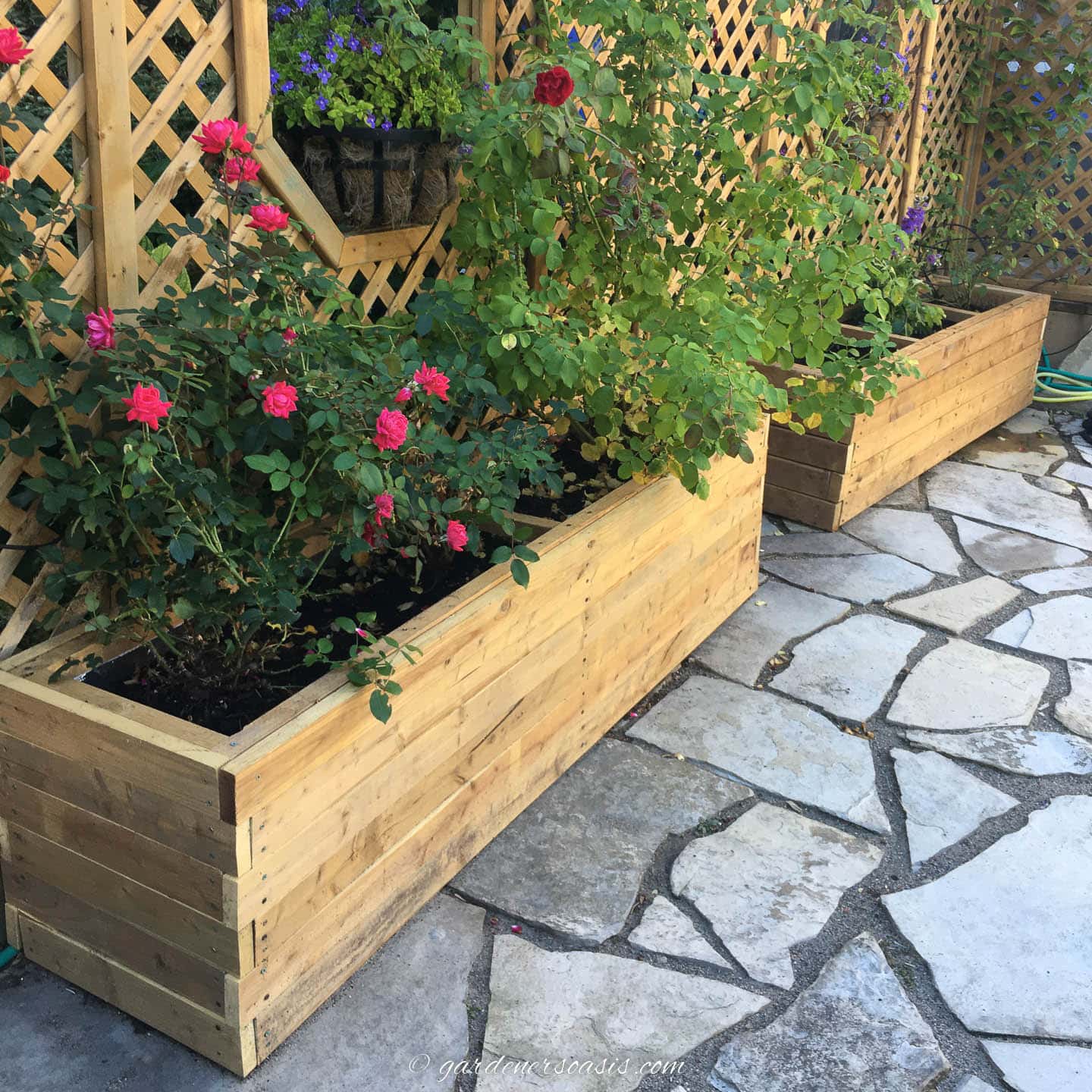
Large wood planter boxes like these copy a pricey catalog planter for about a quarter of the cost. Each one is 6 feet long and 18 inches wide and high, deep enough for perennials and shrubs to survive a cold winter outside. Build a frame of pressure treated 2 by 2s, then screw 2 by 4s across it for the walls. Skip the wood bottom, since it adds weight and rots fast. A layer of 1 inch foam insulation inside protects the roots and keeps the wood from rotting.
Get the full tutorial at Gardener's Oasis.
13. DIY Raised Garden Planter Made From A Wooden Pallet

A DIY raised garden planter made from a wooden pallet is a true recycling project. Ask a home improvement or warehouse store for pallets, many give them away, and look for the HT stamp that means heat treated. Pry the boards apart, pull the nails and lay the wood out in the shape you want. The thicker pieces make the corner posts. Build the bottom first, attach the corners, then keep screwing side boards on until it’s enclosed. Skip cracked boards so the soil stays put, and keep it square.
Get the full tutorial at RemoveandReplace.com.
14. $10 Cedar Raised Garden Beds

These $10 cedar raised garden beds use a clever lumber swap: cedar fence pickets. They’re real cedar, so they resist rot and bugs, but a 6 foot 1 by 6 picket costs a fraction of a regular cedar board. Six pickets build a bed 6 feet long and 1 and a half feet wide, just right for a single row of plants, and the lumber runs about $10 before screws. Natural wood is better than treated lumber around food. The original bed lasted over ten years, so build a few!
Get the full tutorial at Ana White.
15. Raised Bed With Legs

A raised bed with legs is a perfect first garden for young gardeners, since it’s built right at their height. It measures about 2 by 3 feet, so a standard piece of 1 inch plywood makes the floor. Cut a 2 by 10 into two 32 inch sides and two 22 and a half inch ends, then screw them into a frame with 3 inch deck screws. Attach the plywood base, add 1 by 4 legs and a 1 by 3 trim cap. It’s deep enough for a little of everything and light enough to move.
Get the full tutorial at Fine Gardening.
16. DIY Garden Planter Box

This DIY garden planter box is a big 8 by 4 foot redwood bed, and the frame goes together in just a couple of hours. Deep sides are the whole point, since shallow beds let roots hit heavy clay, so each side stacks three 2 by 8 boards. You’ll need six 8 foot boards, two 12 footers cut into 4 foot lengths and one 4 by 4 post cut into four corner posts. Screw the short sides together first, then add the long boards with a helper and keep every corner square. Leave the wood unstained for veggies!
Get the full tutorial at Mom On Timeout.
17. Elevated Garden Bed

An elevated garden bed is a game changer for patios, condos and tiny yards with no room for an in-ground garden. This cedar garden table stands 36 inches high and measures about 4 feet 4 inches by 3 feet 4 inches, with roughly 12 inches of planting depth. You’ll need twenty 2 by 4 by 8 cedar boards, one 1 by 2 and exterior screws. Build four L-shaped legs first, join them with crossbars, then stack the bed side boards between the legs and add supports for the bottom slats.
Get the full tutorial at Addicted 2 Decorating.
18. Simple Cedar Raised Bed Against the House
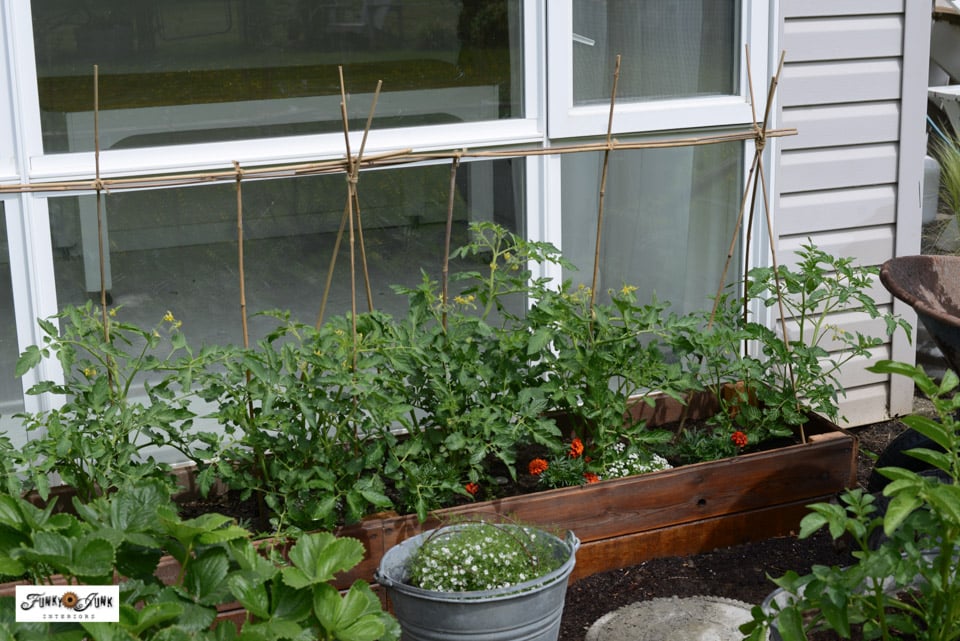
This simple cedar raised bed against the house cost nothing, because it’s built from reclaimed tongue and groove cedar fence planks. The spot under a picture window gets sun all day and sits over septic tank connections, so a planter was the only way to grow there. Stack two planks high, cut them to length, and screw them to short 2 by 4 supports in each corner and the middle. A cross brace stops the long sides from bowing. Finish it with food-safe tung oil and plant a row of tomatoes.
Get the full tutorial at Funky Junk Interiors.
19. Plastic Kiddie Pool into a Garden Bed

A plastic kiddie pool garden bed gives an outgrown splash pool a whole new job, and it costs about $30 to $40 to set up. Any rigid pool works, and the bigger the better. Cut 1 inch drainage holes in the bottom about 12 inches apart, then drill smaller backup holes around the sides just above the base. Line it with window screening or landscape fabric, park it in the sun, and fill it with potting soil mixed with slow release fertilizer. Herbs, lettuce and annual flowers love it. Just keep it off the lawn and the deck!
Get the full tutorial at The Spruce.
20. Build Your Own Elevated Raised Garden Bed

Love those pricey VegTrug planters? Build your own elevated raised garden bed instead, bigger and for a fraction of the cost. It puts your veggies at waist level, out of reach of rabbits, and makes weeding a breeze. You’ll need twenty 2 by 4 cedar boards, a 1 by 2 cedar board and a box of 2 and a half inch screws. If you don’t own a miter saw, the home improvement store can cut the boards for you. Stack the cut pieces by size so assembly goes quickly.
Get the full tutorial at Wisconsin Mommy.
21. Curved Raised Beds

These curved raised beds wrap into a U shape that fits an awkward corner of the yard and gives you plenty of planting space. They’re built from pressure treated 2 by 12s with simple butt joints, supported by 4 by 4 corner posts and screwed together with deck screws. Seal every cut end so it won’t rot. Before filling, lay 1/2 inch wire mesh under the frame to keep moles out. For a short growing season, add hinged covers like a cold frame and you’ll start planting weeks earlier.
Get the full tutorial at RunnerDuck.
22. DIY Raised Garden Bed With Landscaping Timbers
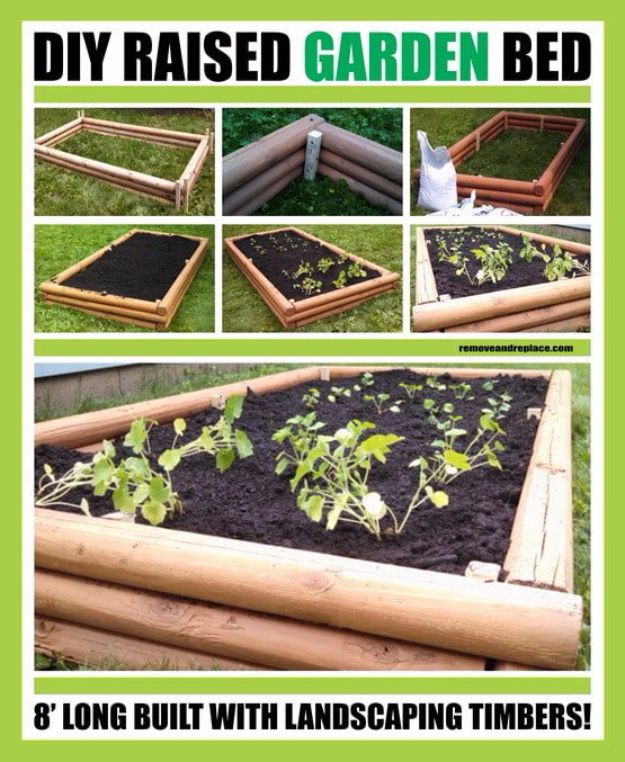
A DIY raised garden bed with landscaping timbers gives you that chunky, rustic look with no fancy joinery. Cut 8 foot round-sided timbers into an 8 by 4 foot box and do a test fit in the yard. Drill 1/2 inch holes through the stacked timbers, stain each piece with a protective wood oil, then set them back in place and drive 3/8 inch rebar down through the holes. Cut the rebar flush, add stakes inside the corners and along the sides, then fill to the top with compost-rich soil.
Get the full tutorial at RemoveandReplace.com.
23. U-Shaped Raised Garden Bed

A U-shaped raised garden bed lets you walk right into the middle of your garden and reach everything from the path. This design is shown step by step in photos, from laying out the boards on the lawn and screwing the frame together to filling it with soil and adding little solar lights on the corners. The plans themselves are a small paid PDF with a materials list, a cut list and a drawing, so you’ll know exactly what to buy. Raised beds like this are easy to build and even easier to keep up.
Get the full tutorial at Brittany Stager.
24. Vertical Garden Bed

A vertical garden bed like this pyramid tower stacks tiers of planting around one central post, giving you a big bed’s worth of growing room in about 3 by 3 feet. It’s ideal for strawberries, lettuce and herbs, since they don’t need deep soil. Plan on about $219 in cedar and around 16 hours over a long weekend. Take your time on the compound miter cuts, because rushed angles leave gaps between tiers. Swivel casters let you roll it after the sun, and a drip line on top waters every level.
Get the full tutorial at RemoveandReplace.com.
25. Raised Garden Bed Benches

Raised garden bed benches give you a place to sit right next to your plants. This long L-shaped bed is built from new pine railway sleepers, about 6.4 meters on the long side and around 0.75 meters high, with two bench seats about 1 meter wide built right into the walls. Fence posts halved lengthwise form the corners and vertical supports, and hundreds of sleeper screws are hidden from sight. Decking boards make the seats and armrests. Line the inside walls before filling, and sketch it out first.
Get the full tutorial at RailwaySleepers.com.
26. Keyhole Garden

A keyhole garden is a round raised bed with a compost basket built into the middle, so it feeds and waters itself as you go. Clear a circle about 6 and a half feet across, outline it with stones and dip the edge inward at the center to make the keyhole notch. Stand a rope-wrapped basket in the middle, then build up layers: cans or stones for drainage, then soil, grass, wood ash and a thick top of soil mixed with dry manure. Keep stacking stones on the walls as it grows taller.
Get the full tutorial at Grow Real Food.
27. Backyard Raised Vegetable Beds
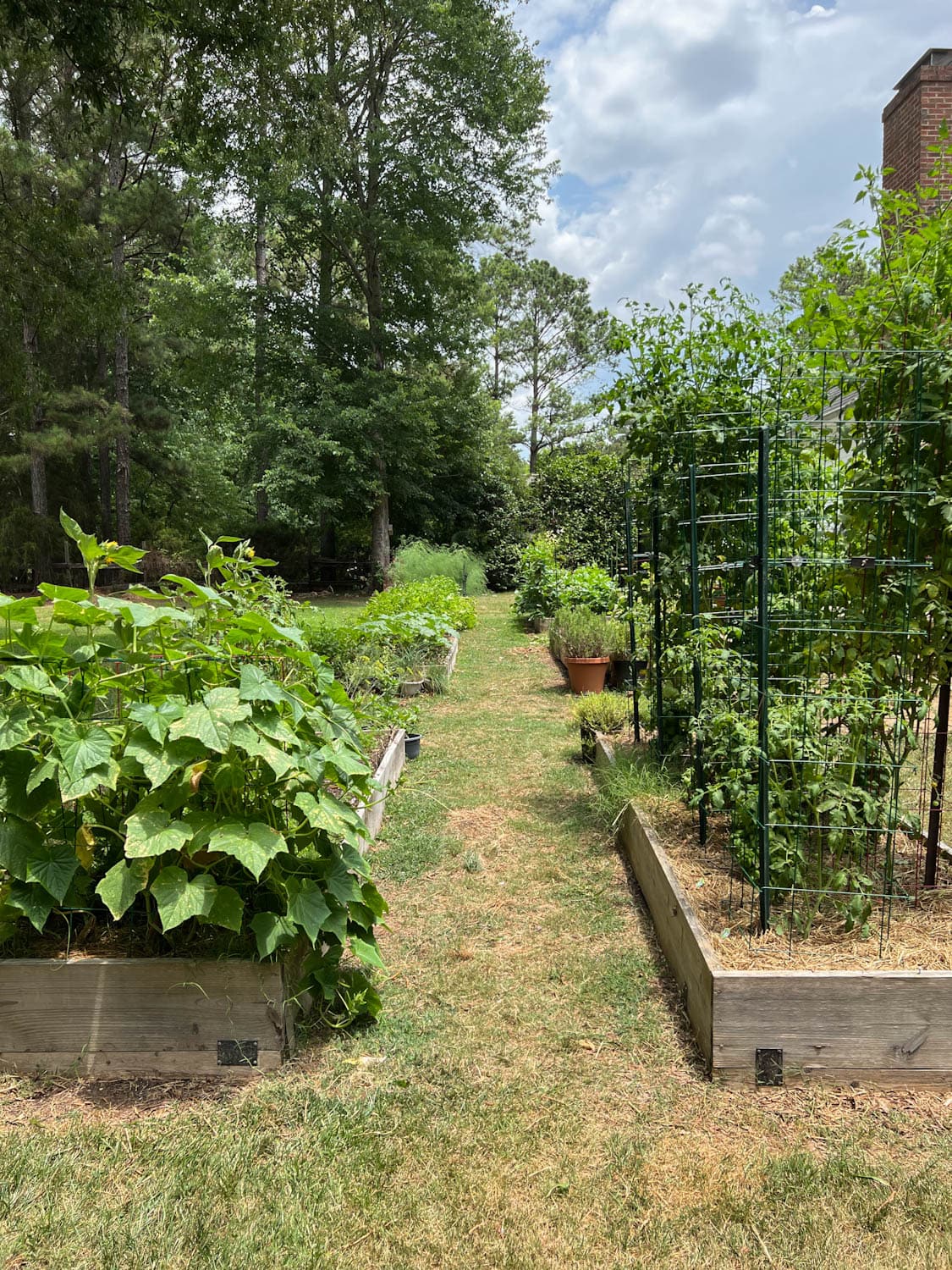
Backyard raised vegetable beds can be cheap and still grow a huge harvest. Cut two 2 by 12 by 12 pine boards into two 4 foot and two 8 foot pieces, then lay old cardboard on the ground where the bed will go. Screw the corners together with decking screws right on top of the cardboard, which blocks weeds and breaks down over time. Mix peat moss, vermiculite and two kinds of compost on a tarp, add lime, and fill. Pick a spot with at least six hours of direct sun.
Get the full tutorial at Bless'er House.