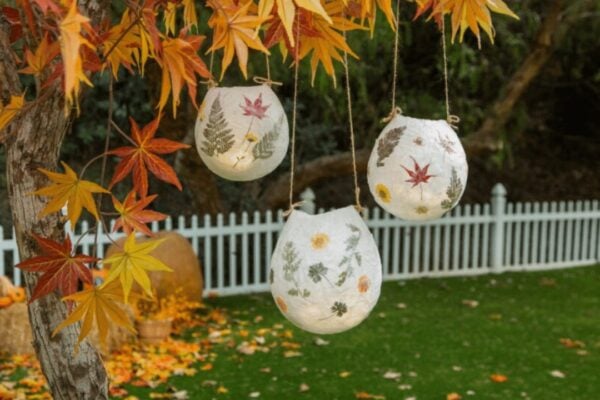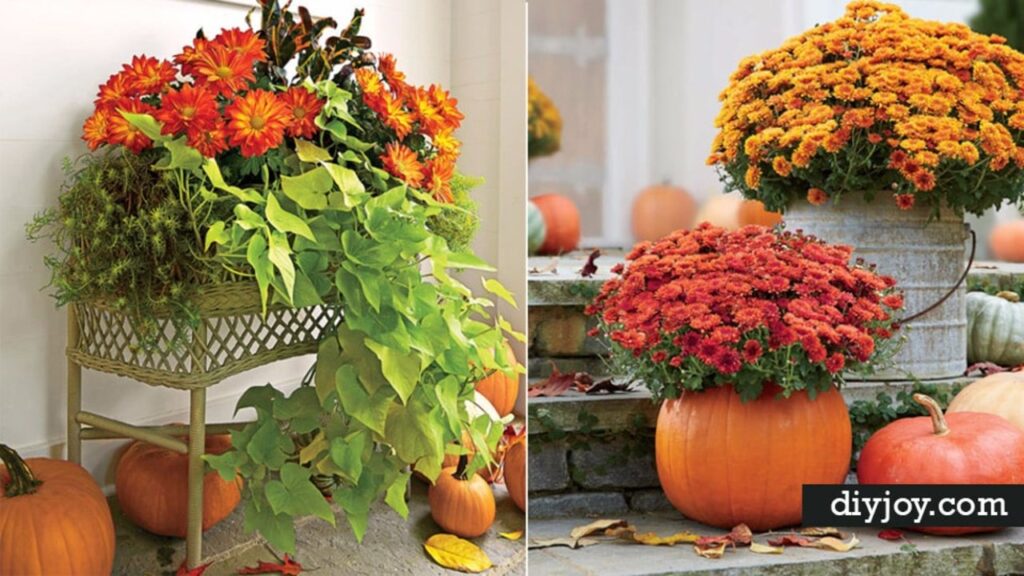
Fall gardening ideas get overlooked because autumn is the season most people quietly give up on the garden, and it is genuinely the best one to be out in it. The weather is finally bearable, the bugs have mostly left, and half of what you do now pays you back next May without you lifting a finger in between. These fall gardening ideas cover both halves of the job: the planting, with garlic going in for a summer harvest, spinach in pots, salsa ingredients and a whole list of what will still come up this late, and the putting away, with soil built from fallen leaves, raspberry canes and hydrangeas understood before the shears come out, and vegetable beds tucked in before the ground hardens. There are easy fall containers in here too, for anyone whose garden is really a front porch. Start with one and you will be glad in March.
Gardening Ideas for Fall
Table of Contents
- Gardening Ideas for Fall
- 1. Grow A Backyard Pumpkin Patch
- 2. Turn A Pumpkin Into A Floral Vase
- 3. Fall Gardening Tips For Beginners
- 4. Build Healthy Soil During Fall
- 5. Ornamental Cabbage And 17 More Fall Container Plants
- 6. Fall Gardening Guide
- 7. Start A Fall Vegetable Garden
- 8. Fall Container Garden, Vegetables and Flowers Together
- 9. Grow Great Garlic
- 10. Easy Fall Planter With Daisies And Heuchera
- 11. Fall Container In 3 Easy Steps
- 12. Fall Whiskey Barrel
- 13. Mason Jar Herb Garden
- 14. Fall Gardening For Beginners
- 15. Cinder Block Raised Garden Bed
- 16. Grow Spinach In Pots
- 17. Fall Blooming Flowers For The Bees
- 18. Raspberry Bushes Gardening Tips
- 19. Plants For Fall Crops
- 20. Grow Pumpkins In A Pot
- 21. Best Herbs For Your Fall Garden
- 22. Essential Guide To Hydrangeas
- 23. How Long Do Potted Mums Last
- 24. Fall Planter
- 25. Growing Lavender Plants
- 26. Grow A Salsa Garden
- 27. Grow Organic Onions
- 28. Putting Vegetables Bed To Bed
1. Grow A Backyard Pumpkin Patch
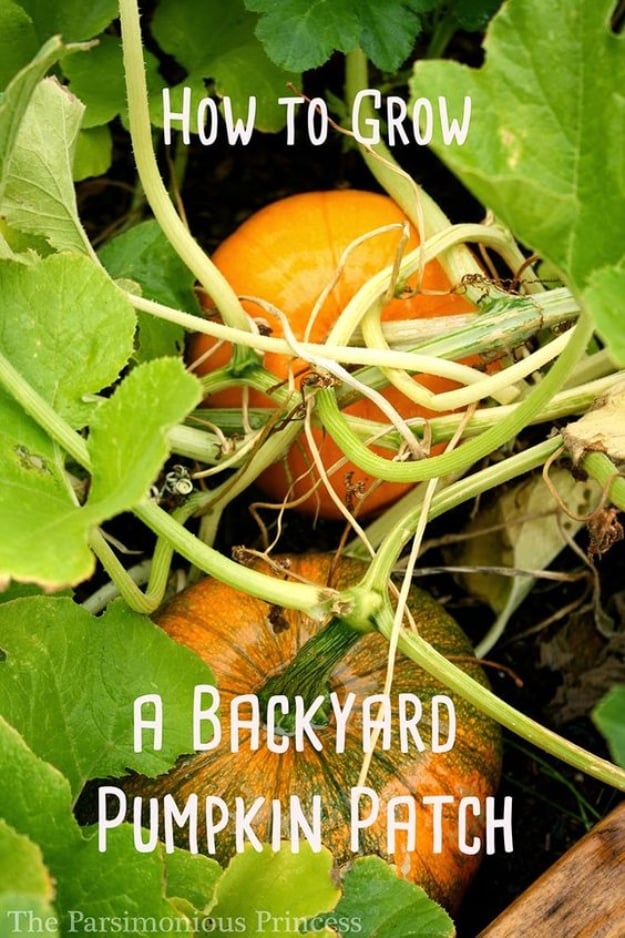
Pumpkins take anywhere from 90 to 120 days to mature, so this is the entry you read now and act on in early summer. Variety is the real decision: The Parsimonious Princess grows ‘Trick or Treat’ for carving and ‘Small Sugar’ for everything else, and notes ‘Atlantic Giant’ if you want the absurd state fair kind. Her hard-won lesson is worth stealing, which is that letting every little pumpkin on the vine grow gives you a patch of small, not particularly carveable pumpkins. One hill is enough to be worth it.
Get the full tutorial at The Parsimonious Princess.
2. Turn A Pumpkin Into A Floral Vase
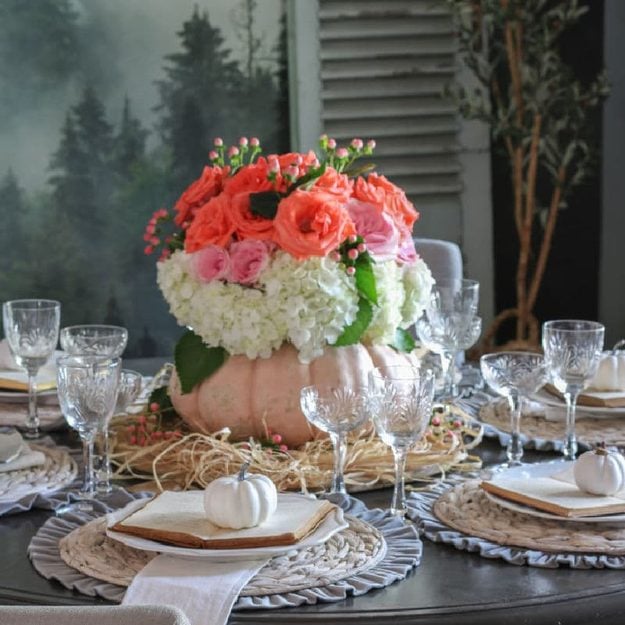
A pumpkin doing double duty as a flower vase. You hollow one out and fill it with hydrangeas and pink and coral roses, then set it right where a store bought centerpiece would have gone. The part that makes it last is a separate glass vase sized to sit down inside the pumpkin: that holds the water and the stems, so the pumpkin itself never goes soggy and the whole arrangement lifts straight out. Real or faux both work and take about the same effort. This is the centerpiece people assume you paid a florist for.
Get the full tutorial at The Design Twins.
3. Fall Gardening Tips For Beginners
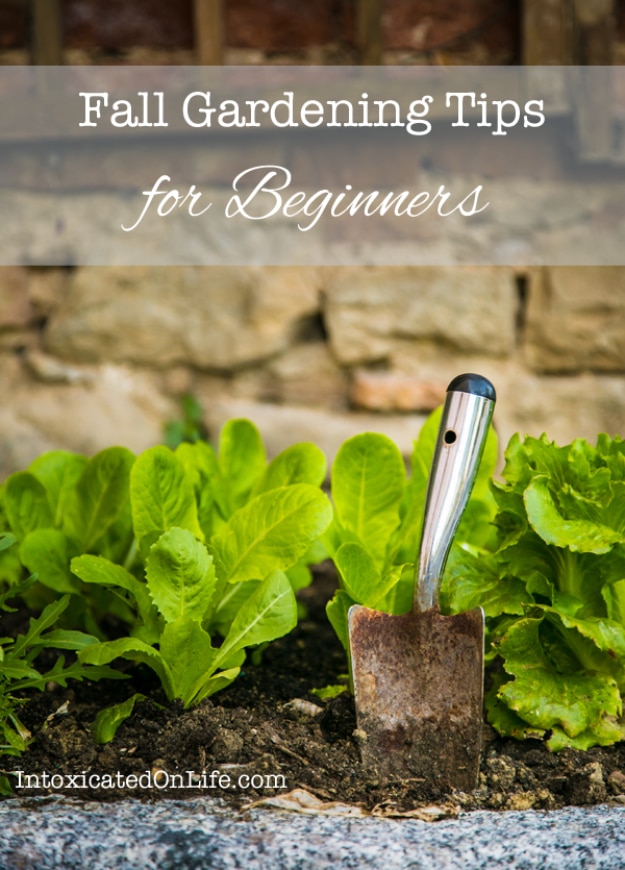
The useful part here is knowing what is out and what is in. Summer staples that need long days to size up, so watermelon, peppers and tomatoes, are finished; broccoli and cauliflower are still very much on. Intoxicated On Life goes further and says turnips and broccoli are reckoned to taste sweeter after a frost or two, so a cold snap is not automatically bad news. Blooms are the fragile part, so when overnight temperatures start dropping hard, throw a floating row cover or an old bed sheet over them.
Get the full tutorial at Intoxicated On Life.
4. Build Healthy Soil During Fall
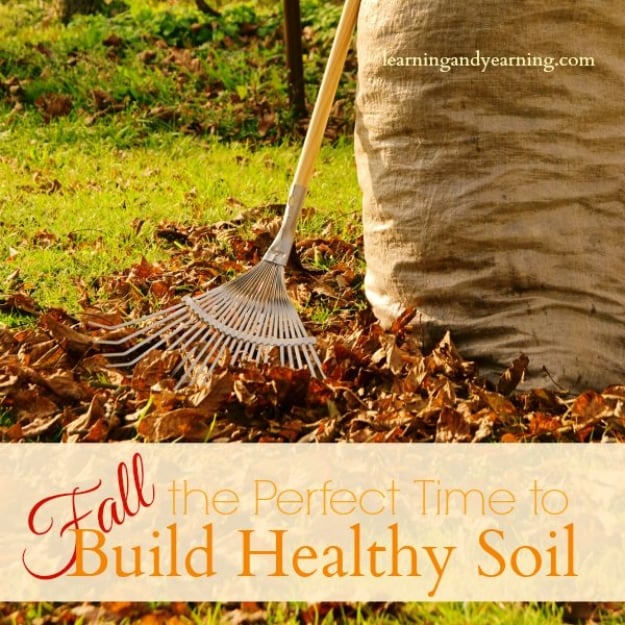
Everything else in your garden rides on this and almost nobody does it. Learning and Yearning makes the case for fall specifically: the leaves are already falling, your spent end-of-season plants are free organic matter, the weather is finally cool enough for real physical work, and the whole winter is sitting there to let decomposition get going. Plants grown in healthy soil have fewer disease and pest problems and the harvest tastes better, which is the part that actually convinces people. It is the least glamorous job on this list and the highest return.
Get the full tutorial at Learning and Yearning.
5. Ornamental Cabbage And 17 More Fall Container Plants
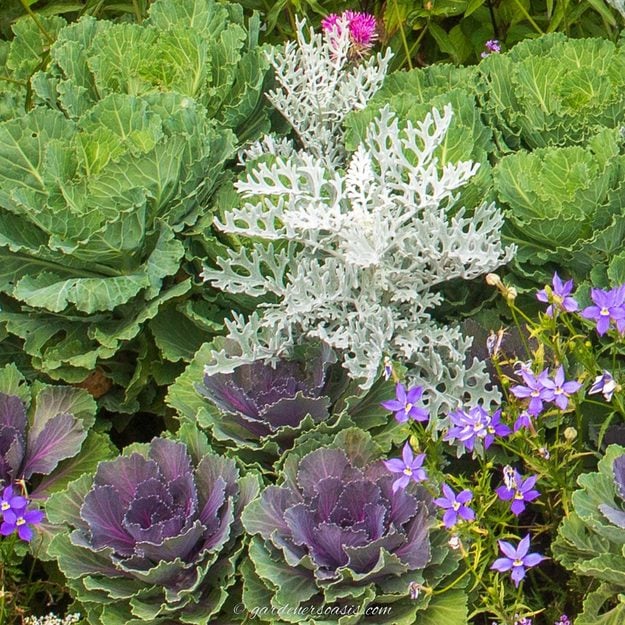
Plant a vegetable you have no intention of eating. This is a run-down of 18 plants that hold up in a fall container, and ornamental cabbage sits near the top because full sun and cool weather keep those ruffled purple, pink, green and white leaves going right up to frost with nothing to deadhead. People hand me the decor committee because they know I will go overboard and never stop, so a list like this is dangerous in my hands and very useful in yours. Foliage over flowers is the underlying advice.
Get the full tutorial at Gardener's Oasis.
6. Fall Gardening Guide
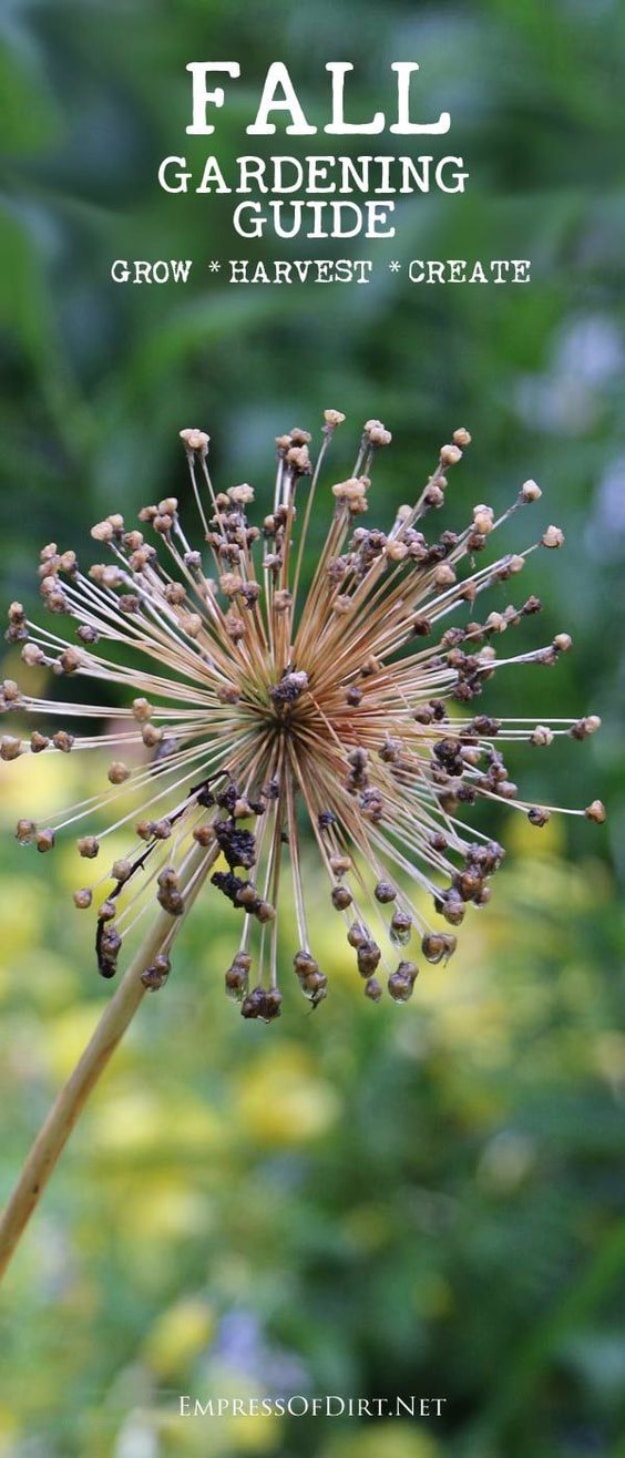
Empress of Dirt sorts every fall job into three piles, which is the most useful thing anyone has done with a garden checklist. Must get done is all about protecting things cold and wet weather will destroy: tender plants, tools, furniture and decor. Nice to get done is spring bulbs, spring flowering seeds, planting garlic and prepping vegetable beds. Leave until spring is the one that surprises people, because the urge to tidy is exactly wrong. That mess is food and habitat through the coldest months, and the decay puts nutrients back.
Get the full tutorial at Empress of Dirt.
7. Start A Fall Vegetable Garden
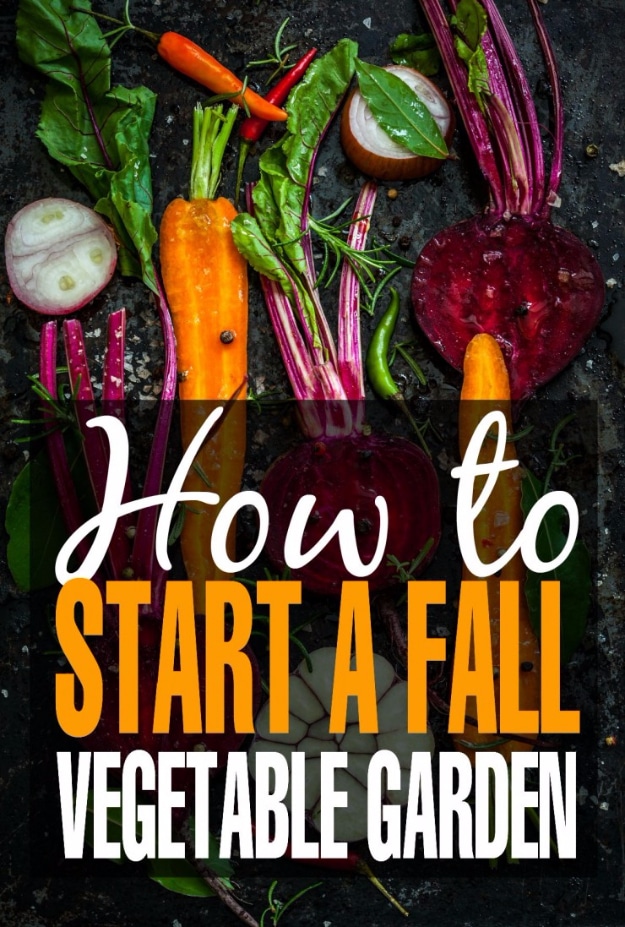
The whole trick with a fall vegetable garden is that you plan it backwards. Find your area’s average first frost date, then count back the weeks it takes to plant, grow and harvest whatever you want, and here is the part beginners miss: Frugal Mom Eh adds about three extra weeks on top, because fall plants grow slower once the weather cools. Which usually means planting in late summer. Clear out the tired summer crops first, pull the weeds, lay down compost for a day or two, then till again before planting.
Get the full tutorial at Frugal Mom Eh.
8. Fall Container Garden, Vegetables and Flowers Together
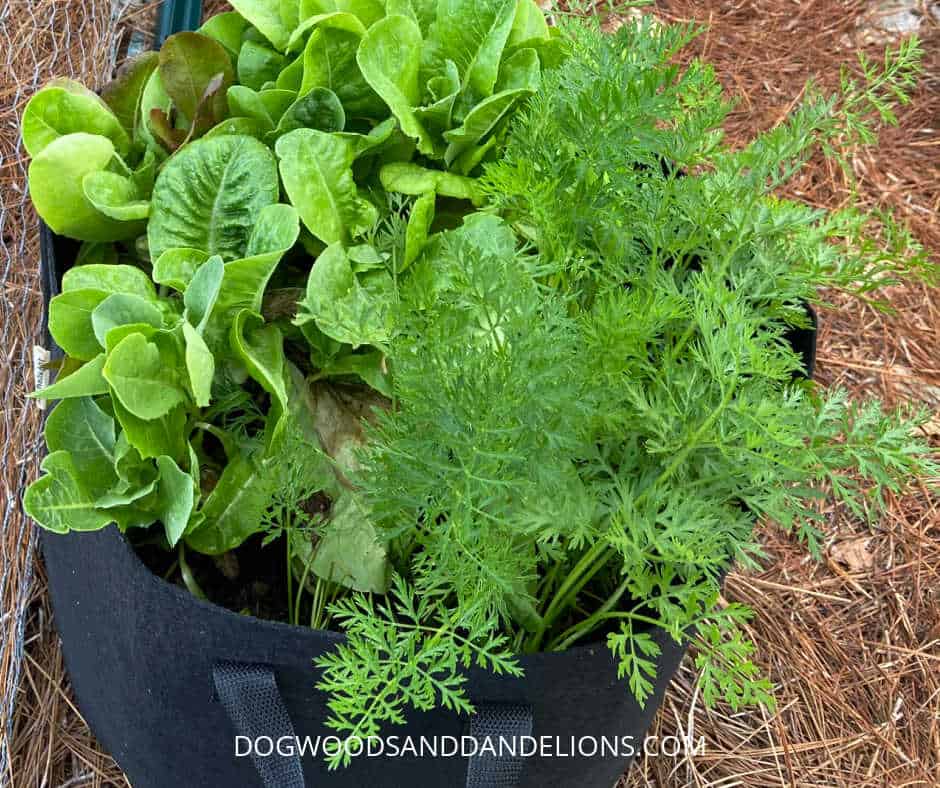
Containers are genuinely easier than beds in autumn, and Dogwoods & Dandelions makes a good argument for it: you can germinate seeds in the shade while it is still hot, then move the pots into sun when the plants want it, and watering a few containers by the house beats dragging a hose out to the garden. Timing is the thing to get right. Lettuce and radishes mature fast, broccoli, cauliflower and Brussels sprouts need far longer, and every fall-grown vegetable wants an extra 10 days to two weeks over what the seed packet claims.
Get the full tutorial at Dogwoods & Dandelions.
9. Grow Great Garlic
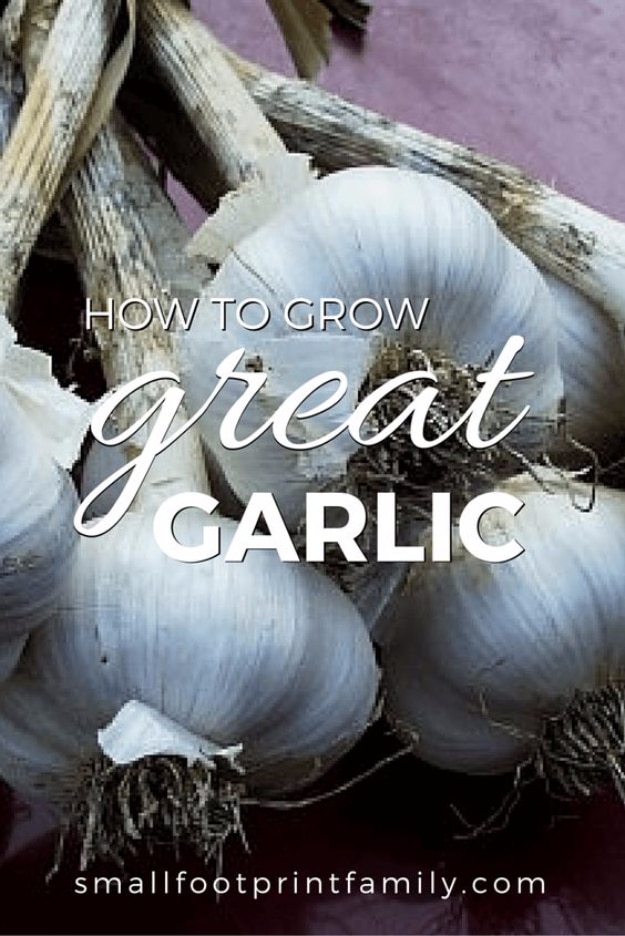
If you plant one thing this fall, plant garlic. Tuck a clove into the ground in October, mulch it, then mostly leave it alone until summer and you pull up a whole head with more flavour than anything at the store. Small Footprint Family points out it takes almost no space at all, since a few square feet will keep a household in garlic for months, and it tucks in happily between other crops or along a border. It is about as forgiving as a crop gets, which makes it a good first try.
Get the full tutorial at Small Footprint Family.
10. Easy Fall Planter With Daisies And Heuchera
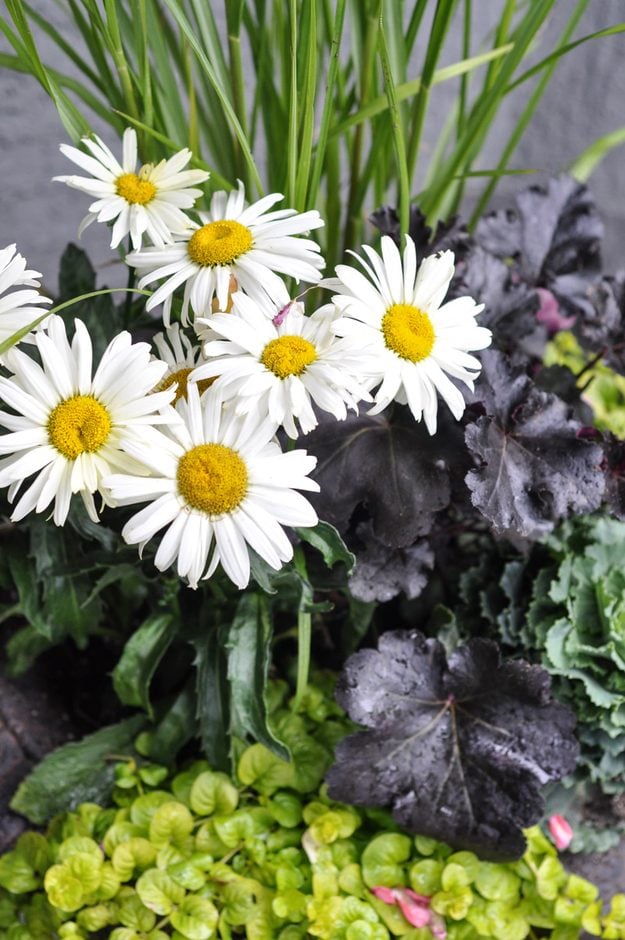
Not every fall container has to be orange. You set white daisies against dark heuchera (that contrast is doing all the work) and let something trailing spill over the rim so it doesn’t look like a bouquet stuck in a pot. Container gardening is honestly not my strong suit. I keep an herb garden going and that’s about where my green thumb stops, which is exactly why I like fall gardening ideas this specific: copy the combination and it works.
Get the full tutorial at Suburble.
11. Fall Container In 3 Easy Steps
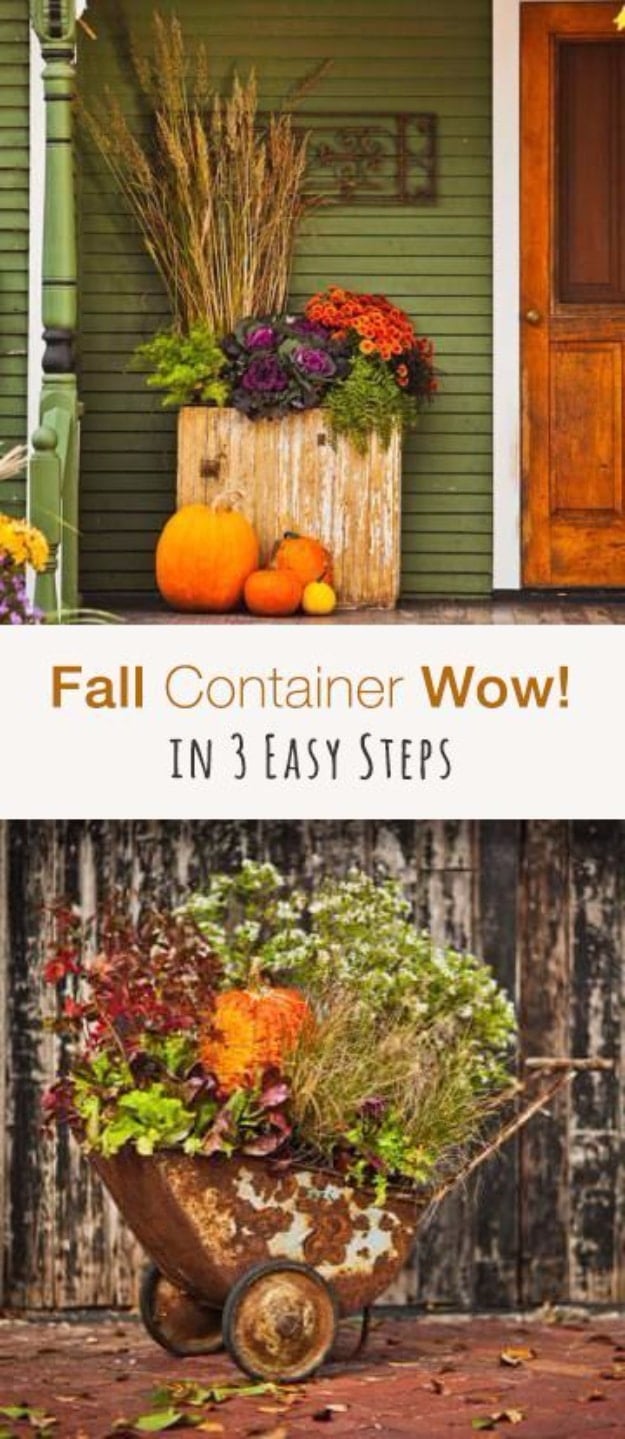
The advice that changes your fall containers is to stop thinking about flowers. Colourful leaves bring as much interest as blooms plus texture and contrast, and The Garden Glove’s list of what to reach for is worth keeping: ornamental kale first, then ivy, lamium, dusty miller, lamb’s ear, hardy herbs and ornamental grasses. The other line worth taking seriously is not to evict a summer plant just because it has stopped flowering. Some of them are earning their place on foliage alone and will carry the pot into the holidays.
Get the full tutorial at The Garden Glove.
12. Fall Whiskey Barrel
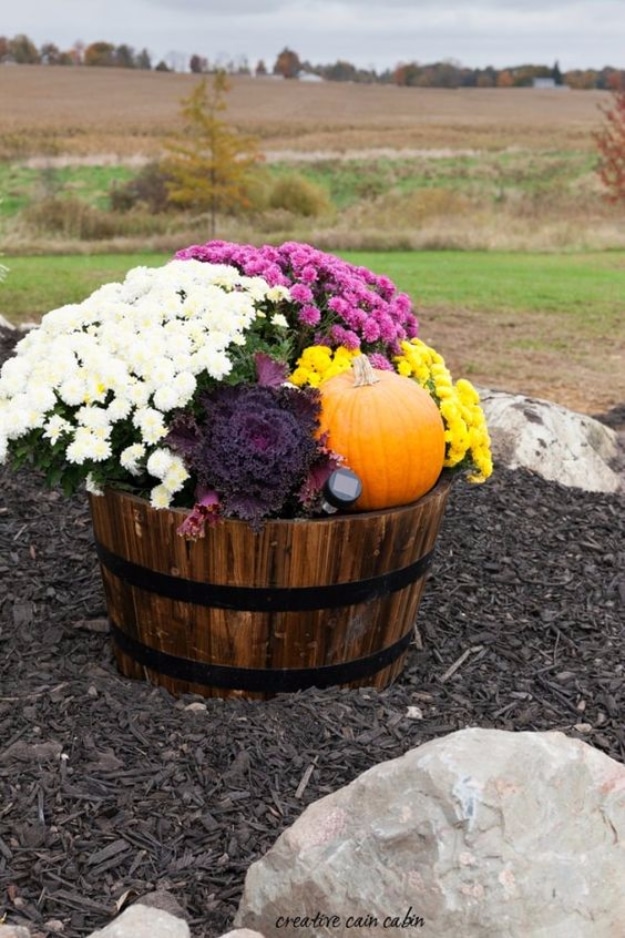
Half whiskey barrels are the easiest big-impact container going, because the barrel does all the work and you just stuff it. Creative Cain Cabin filled hers with mums and three pumpkins from a local farmer plus flowering kale from the nursery, and says she normally over-buys but got it exactly right for once. The detail worth stealing is the small solar light tucked in beside the pumpkin, which makes the barrel show up after dark. If a heavy frost is coming, throw a cover over the mums overnight.
Get the full tutorial at Creative Cain Cabin.
13. Mason Jar Herb Garden
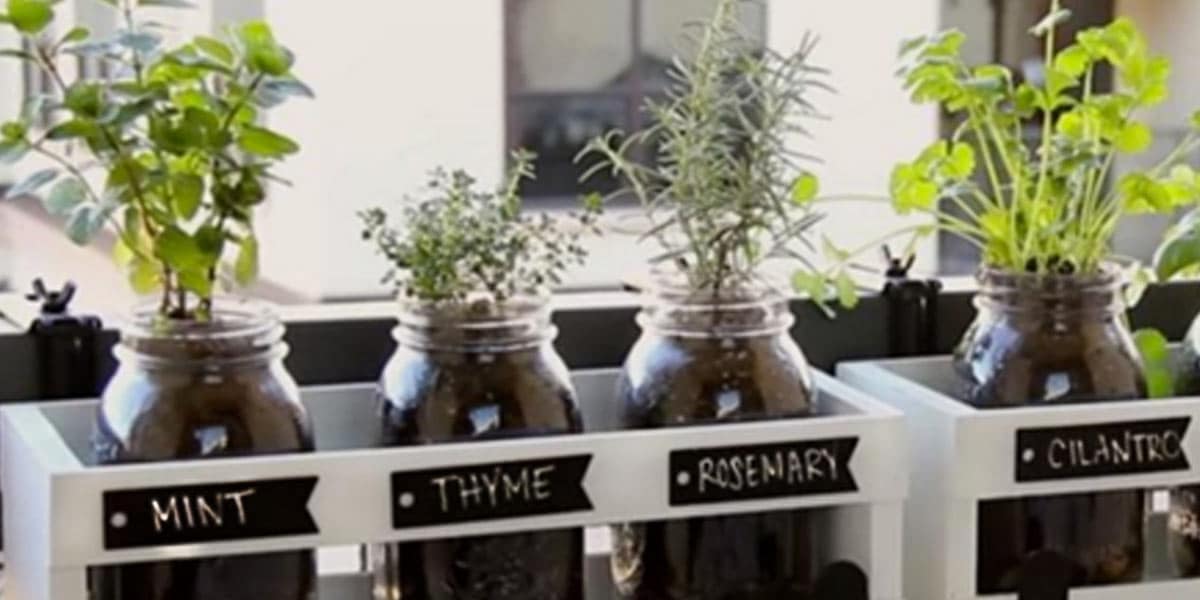
An herb garden in mason jars is the answer for anyone whose outdoor space is a balcony, because the whole thing picks up and moves. Give it a solid five to eight hours of sunlight a day. Cilantro, parsley and basil are all sun lovers, so a south facing window is the spot once the weather turns and the jars come inside. Being able to shift a container around the yard as the sun and shade shift through the day is the real advantage over planting herbs in the ground.
Get the full tutorial at DIY Joy.
14. Fall Gardening For Beginners
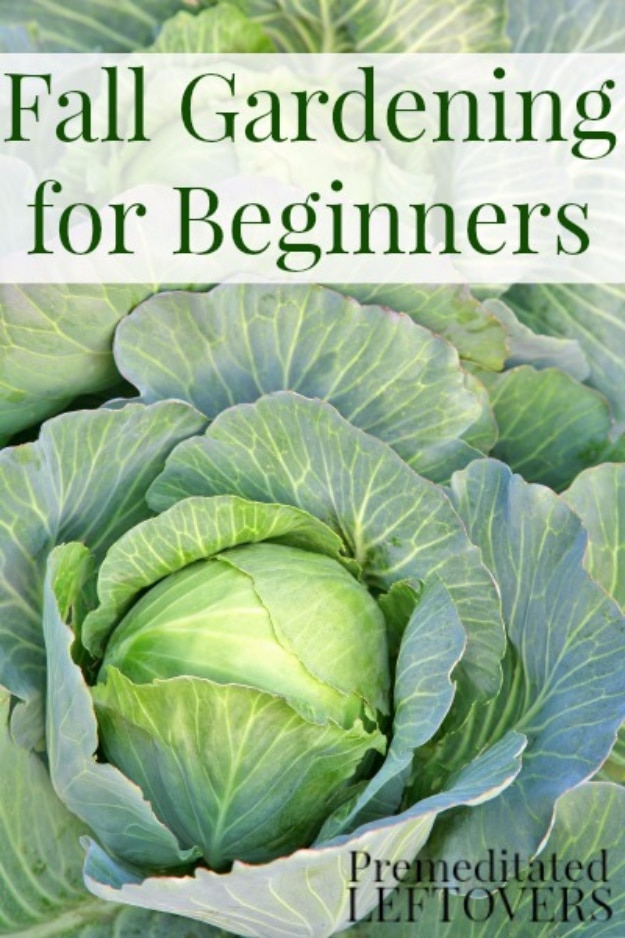
This is the one for someone who has never turned over a bed. Clear the area completely, grass and roots and rocks and all, then till at least 6 to 8 inches deep, or build a raised bed instead if your soil is poor. Premeditated Leftovers amends with bone meal, blood meal, earthworm castings or bat guano, waters it down, tills again with more amendments and lets it rest a few days before anything is planted. On seeds versus transplants: seeds give more variety for the money, transplants buy you time.
Get the full tutorial at Premeditated Leftovers.
15. Cinder Block Raised Garden Bed
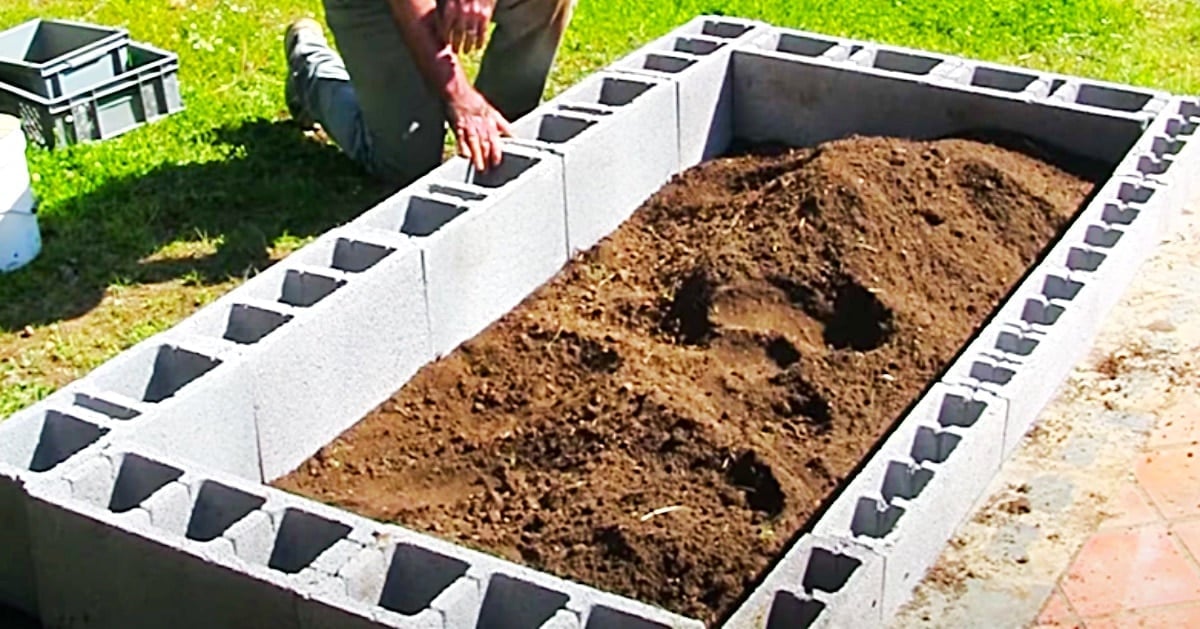
Cinder blocks stack straight into a rectangle with no mortar and no special tools, which makes this the fastest raised bed you can build, and fall is the right time so it is ready the moment spring arrives. Dig out the bed area first, lay plastic in the bottom, then fill with organic topsoil. Two details make it better than a plain box: the hollow pockets in every block take herbs or flowers, and a soaker hose run just inside the perimeter works as a built-in irrigation system.
Get the full tutorial at DIY Joy.
16. Grow Spinach In Pots
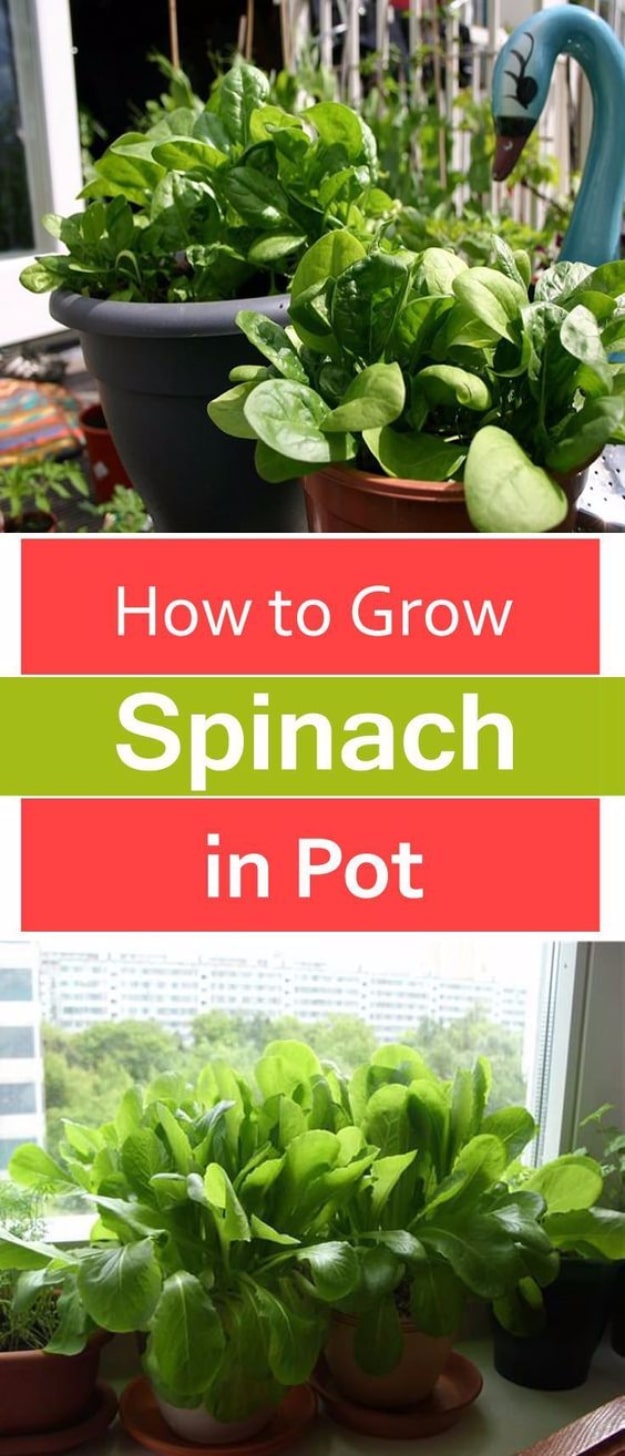
Spinach is one of the easiest things to put in a pot and it genuinely does not need a garden. Balcony Garden Web’s guide is aimed squarely at people working with a windowsill, a rooftop, a patio or a balcony, and the two things it asks for are a spot that gets direct sunlight and room for several pots rather than one. Several is the operative word, because spinach is a cut-and-come-again crop and one pot never keeps up with a household that actually likes it.
Get the full tutorial at Balcony Garden Web.
17. Fall Blooming Flowers For The Bees
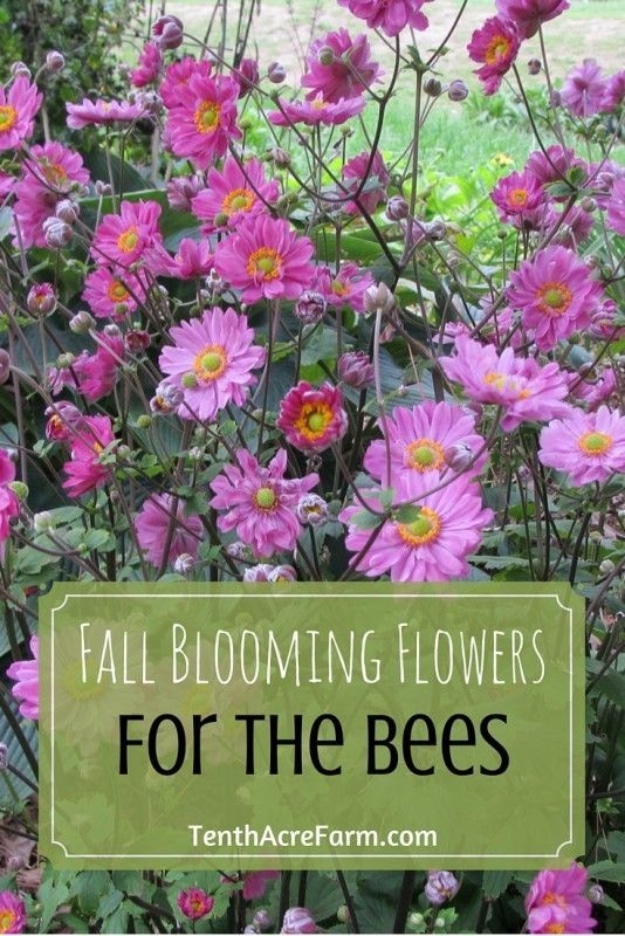
Bumble bees are working overtime right now storing pollen and nectar for hibernation, and this is the item that makes you plan ahead, because the one catch Tenth Acre Farm names is that fall blooming flowers have to be planted in spring. Basil left to flower pulls in every kind of pollinator and lets you collect your own seed. Borage, a self-seeding annual with star-shaped purple flowers, blooms all season in full sun. And spring broccoli left standing feeds the bees now and bolts for early forage next year.
Get the full tutorial at Tenth Acre Farm.
18. Raspberry Bushes Gardening Tips
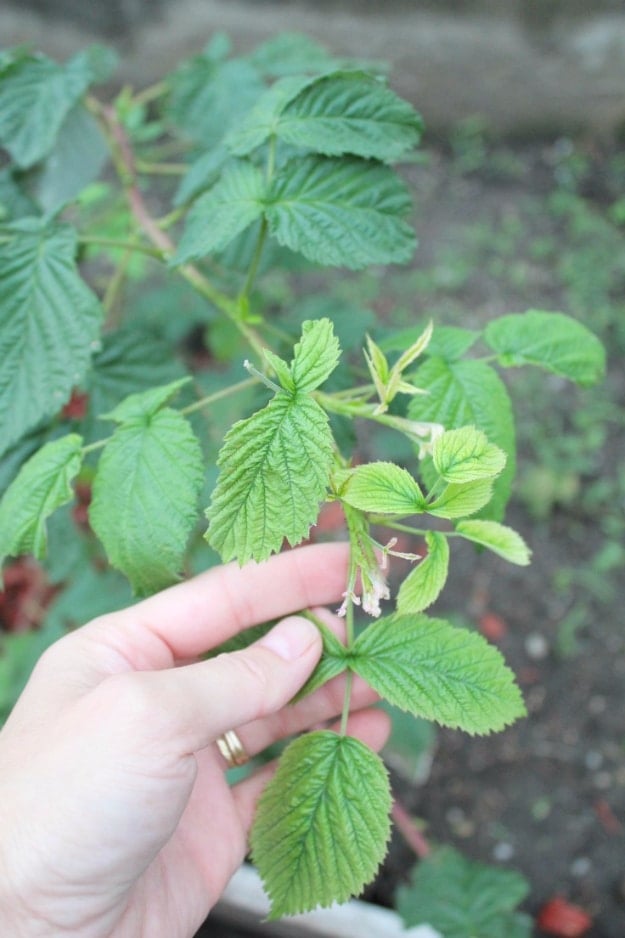
Left alone, raspberry bushes are their own worst enemy, which is the line that should make anyone with a neglected patch pay attention. This guide is specifically for the summer bearer type, meaning the kind that fruits once a season in summer, and that distinction matters more than anything else you will read about raspberries, because the two types get pruned at completely different times. Work out which one you have before you cut anything. She learned all of this on a bush she bought without knowing either.
Get the full tutorial at Easy Peasy Creative Ideas.
19. Plants For Fall Crops
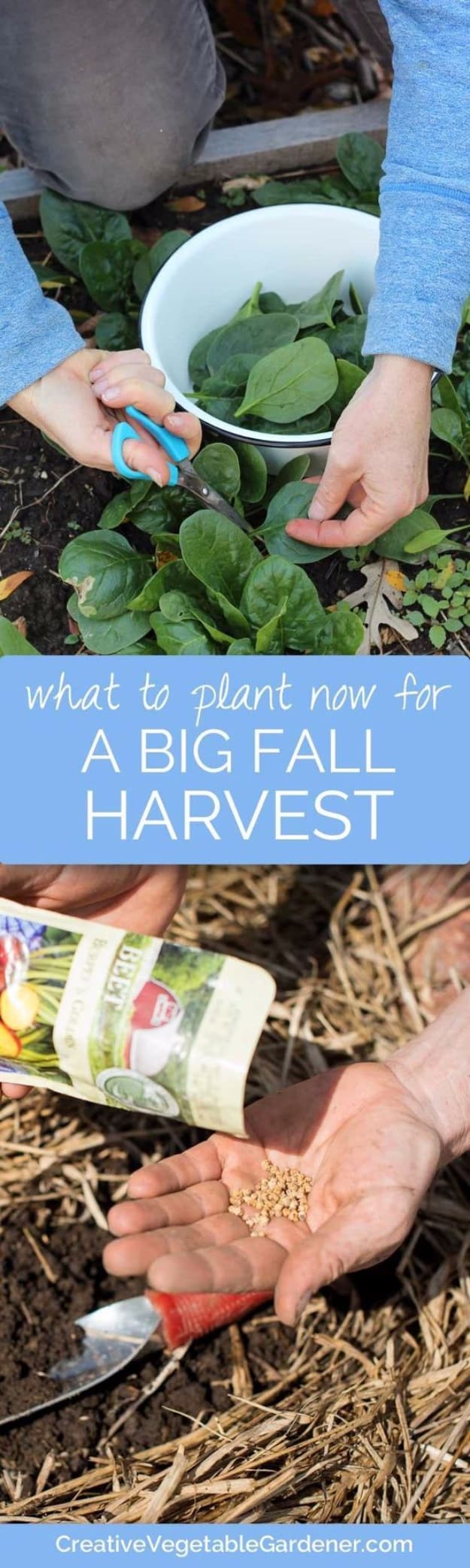
Here is the straight answer to the question people actually type in late summer, which is what can still go in the ground and still feed you. The list runs to arugula, beets, cilantro, mizuna, pac choi, radishes, salad mix, spinach and turnips, and the warning sits right at the top: if you wait until fall it is usually too late. Salad mix comes in around thirty days while beets want a mid-July start. Get them in and you are harvesting well past your first frost.
Get the full tutorial at Creative Vegetable Gardener.
20. Grow Pumpkins In A Pot
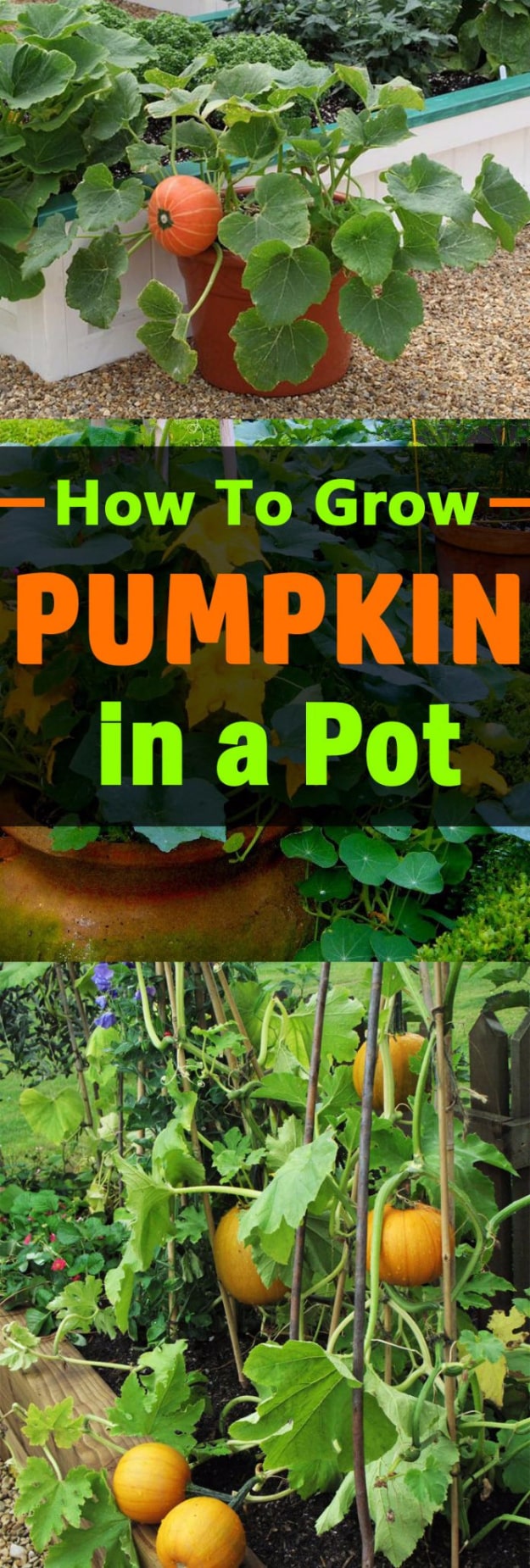
Yes, you can grow a pumpkin in a container, and the whole thing hinges on the first two decisions. Balcony Garden Web walks it through in order: choose the right container, prepare it properly, then pick a variety bred to stay small, because a full size carving pumpkin in a pot is a losing fight. Quality potting mix, not garden soil, goes in next. Give the vine something to climb and it takes up far less ground than you would expect, which is the point of doing it this way.
Get the full tutorial at Balcony Garden Web.
21. Best Herbs For Your Fall Garden
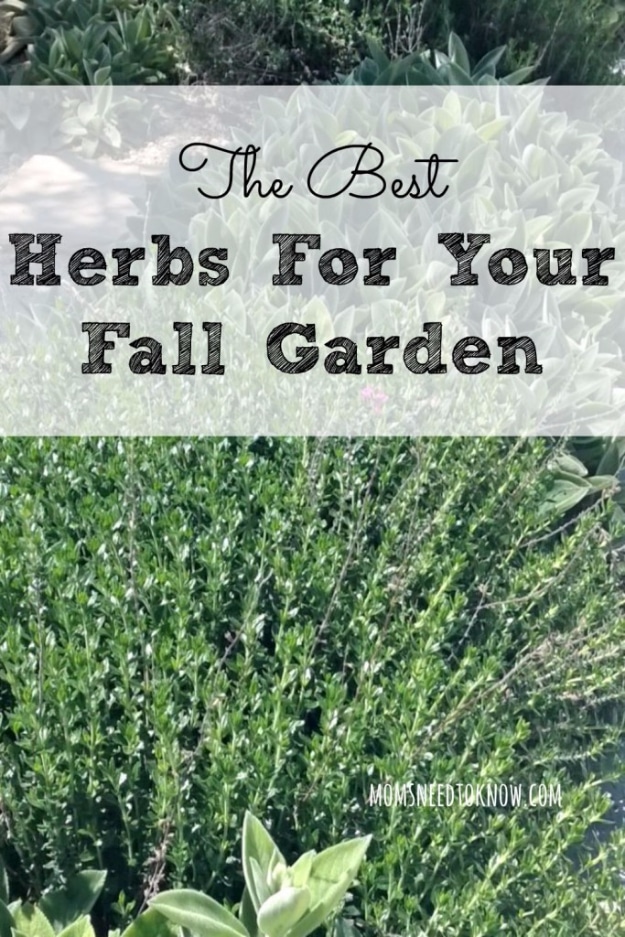
Herbs planted before the first frost get their roots down and reach for the nutrients in the soil while the weather is still workable, which is why fall is a better time to start an herb bed than most people assume. Cilantro is the star here: plant coriander seeds about half an inch down in evenly moist soil, water them in well, and it handles partial shade and even frost. It grows to around 18 inches and you harvest leaves the whole way up, then get seed too.
Get the full tutorial at Moms Need To Know.
22. Essential Guide To Hydrangeas
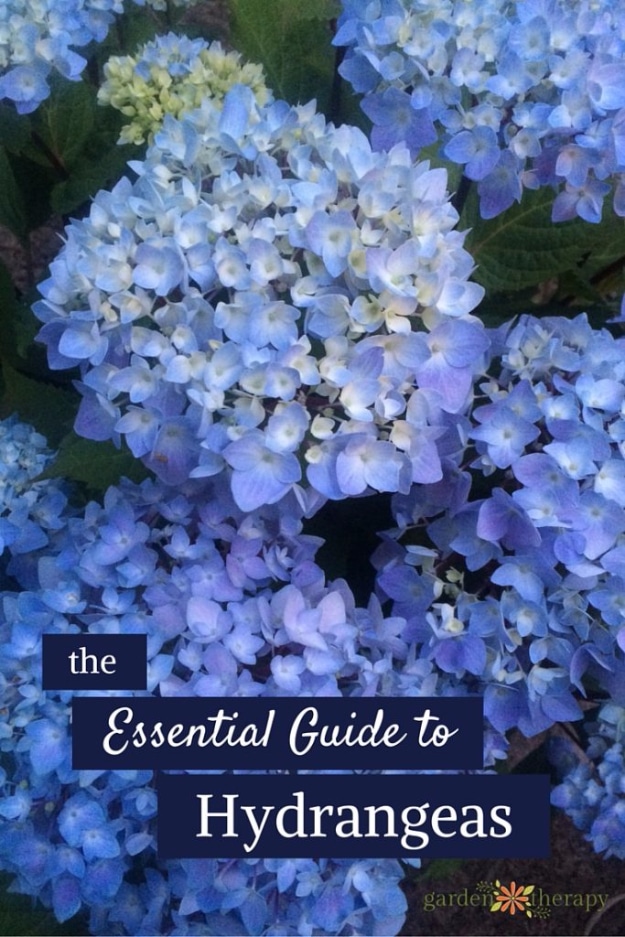
Most hydrangeas want moist rich soil and a spot with morning sun and afternoon shade, and that placement alone fixes half the problems people have with them. The type matters for everything else. Garden Therapy separates out bigleaf, the spring-blooming macrophylla with the round mopheads and flat lacecaps, mountain serrata, hardy paniculata and oakleaf quercifolia, then covers pruning, propagation, changing the colour and drying the blooms. Know which one you own before you prune, because that single fact decides whether you get flowers next year.
Get the full tutorial at Garden Therapy.
23. How Long Do Potted Mums Last
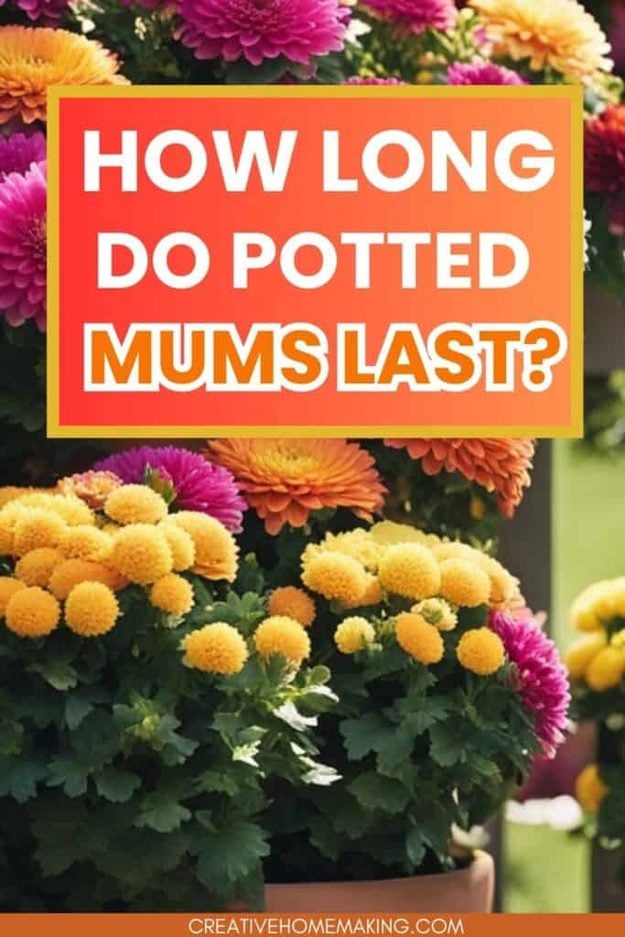
The reason your porch mums look incredible for one week and then quietly give up. This one covers how much water potted mums actually want (the watering is most of the battle) plus the general care that keeps them blooming later into fall. Most of us treat a plant that cheap as disposable and just buy the next round, and I’d much rather hand you the fix.
Get the full tutorial at Creative Homemaking.
24. Fall Planter
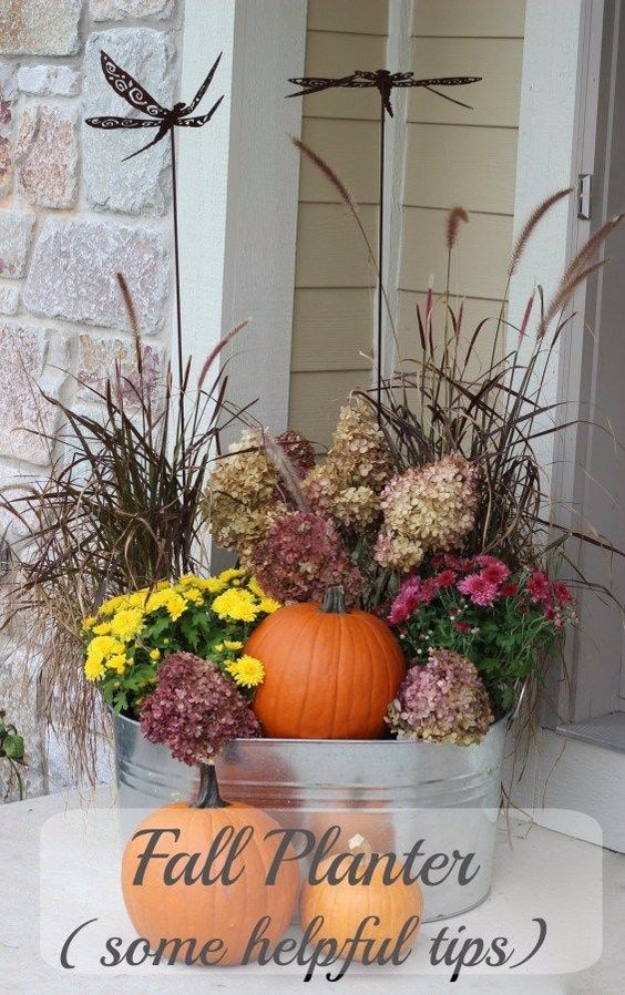
Do not empty the summer containers out, transform them. Momcrieff keeps the purple fountain grass from summer for height and movement, which is hard to buy in autumn, then works mums, small pumpkins and dried hydrangeas in around it. Those dried hydrangeas are free filler if you have a shrub, which is the tip worth remembering. The structure the whole thing rests on is height, colour and filler in that order, and the reason this planter looks expensive is that almost nothing in it was bought new.
Get the full tutorial at Momcrieff.
25. Growing Lavender Plants
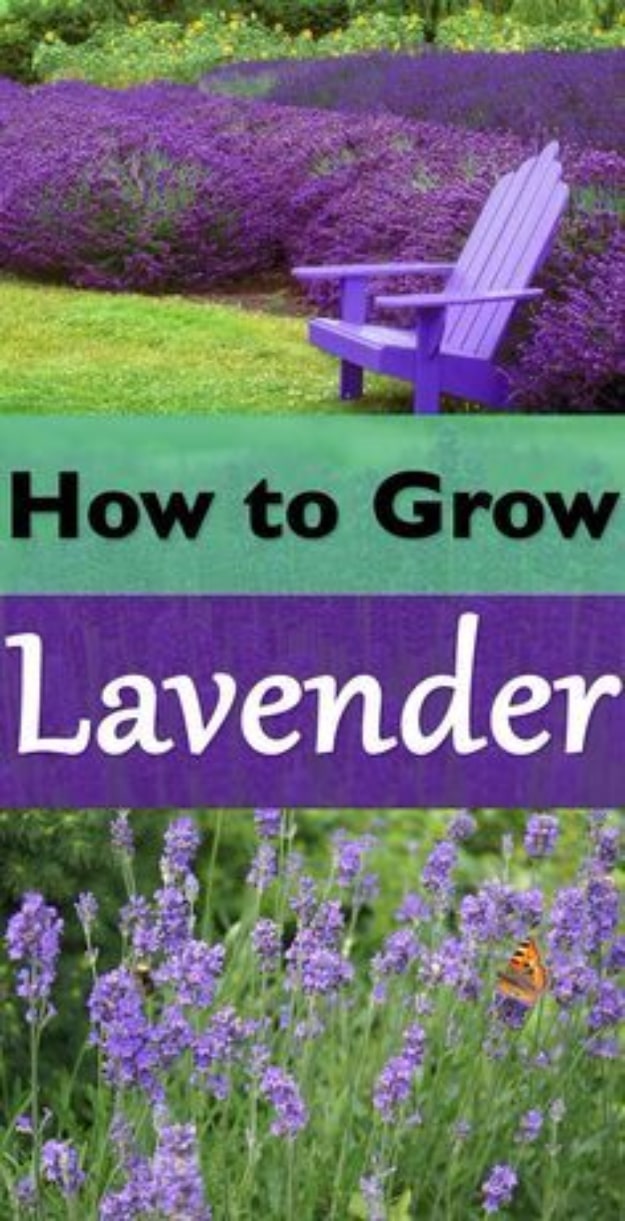
Lavender is not one plant, it is three, and picking the wrong one is why so many people decide they cannot grow it. Balcony Garden Web separates English, Spanish and French lavender and then works through light, soil, water, temperature and humidity, fertilizer and pruning for each. English is the hardy one most cold-winter gardeners want. Get the soil right and the rest mostly takes care of itself, because lavender’s real enemy is wet feet rather than cold. Worth reading before you buy whatever the nursery has out front.
Get the full tutorial at Balcony Garden Web.
26. Grow A Salsa Garden
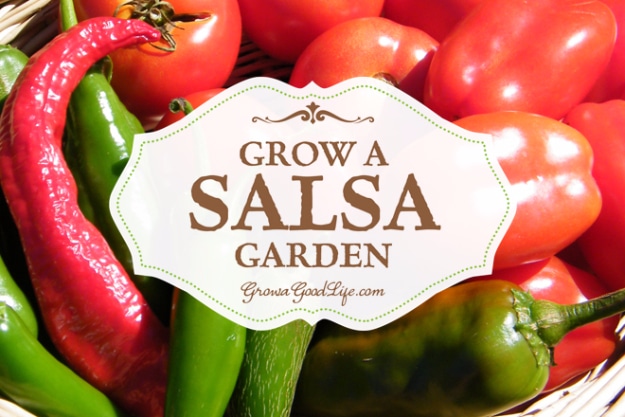
A salsa garden is a small bed given over entirely to one purpose, which is tomatoes, peppers, onions, garlic and cilantro in the same place. Grow a Good Life sizes it at a 4 by 4 foot raised bed or a square foot garden, wants at least six hours of direct sun a day, and adds one detail that makes the whole thing work in that footprint: a trellis along the north side so the vining tomatoes grow upward and stay off the ground. Garlic goes in this fall for next summer’s batch.
Get the full tutorial at Grow a Good Life.
27. Grow Organic Onions
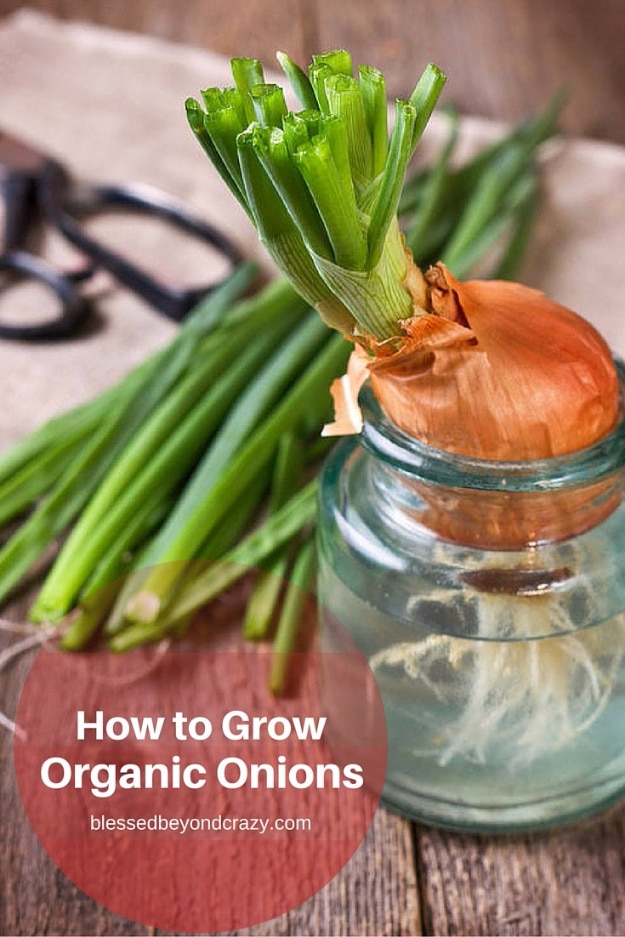
The reason to read this one is where the information came from. Blessed Beyond Crazy is passing on her mother’s method, and her mother is an avid gardener who taught home economics for nearly 23 years and kept not one garden but three at a time. That is a lot of accumulated onion knowledge going into a single post. Onions are a slow crop that rewards being left alone, and getting the start right matters more than anything you do later in the season. Good reading for a quiet fall afternoon.
Get the full tutorial at Blessed Beyond Crazy.
28. Putting Vegetables Bed To Bed
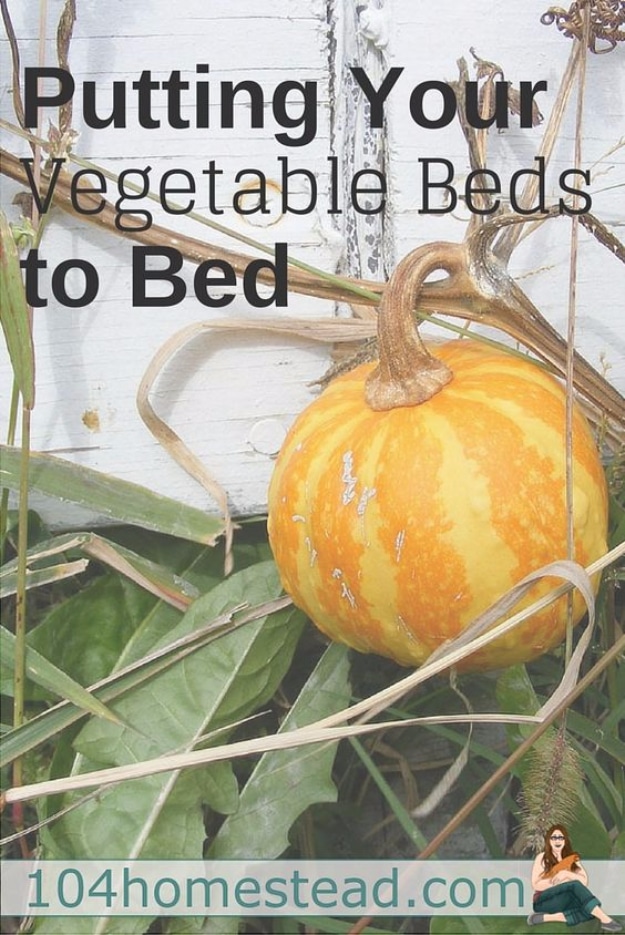
This is the closing job of the year and it is worth doing properly. Clear out the spent plants, but know which ones to leave, and keep the diseased ones well away from the compost pile. Get compost and amendments on before the ground freezes, then mulch the beds so the soil is protected all winter. The case for putting more effort into fall than into spring is simple: beds thaw evenly, the soil is not compacted and far fewer pests overwinter where you do not want them.
Get the full tutorial at 104 Homestead.