16. DIY Downdraft Sanding Table Box
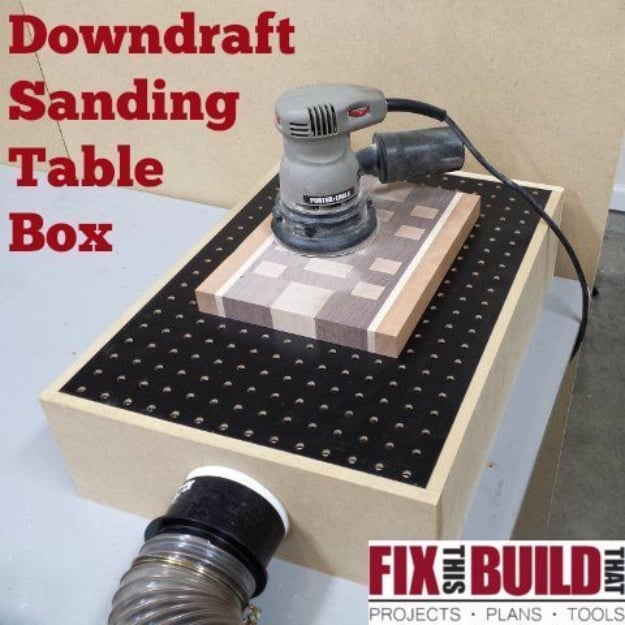
Sanding dust obeys gravity and suction, and this downdraft box harnesses both: a perforated-top box hooked to shop vacuum that pulls dust down and away as you sand on its surface. Fix This Build That builds it from one sheet of plywood with simple internal baffling. Lungs, finishes, and shop surfaces all benefit immediately – dust that never rises never settles. The box doubles as a bench-height work surface between sandings. Cleaner air is a weekend build away.
17. Avoid Wood Runs And Sags
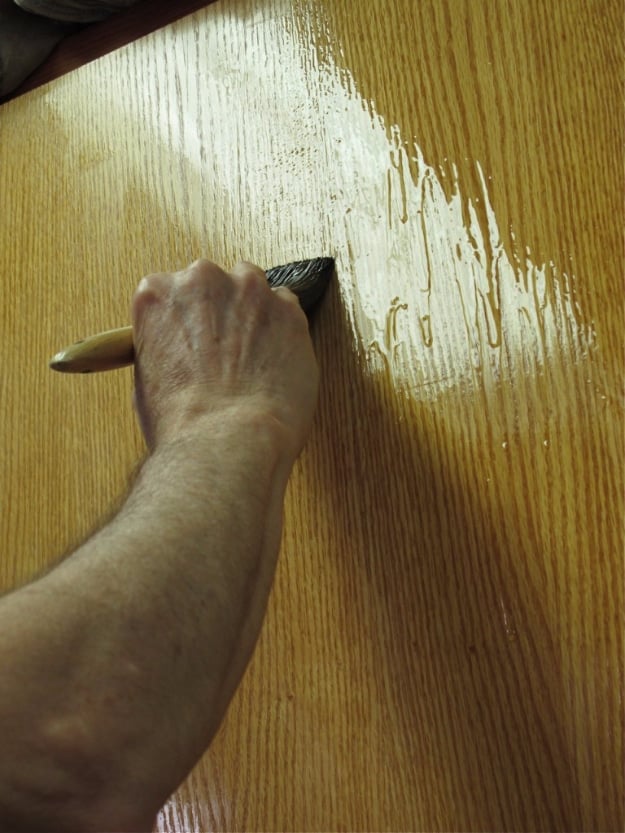
Runs and sags are finish gravity winning, and this Popular Woodworking guide teaches the counter-moves: thinner coats, loaded-not-dripping brushes, horizontal surfaces where possible, and the raking-light inspection that catches slumps while they still brush out. Vertical surfaces get their special discipline – work top-down, tip off gently upward. Catching a sag in the first ten minutes is a wipe; after an hour, it is sandpaper penance. Patience per coat, or sanding per mistake: the finisher’s eternal ledger.
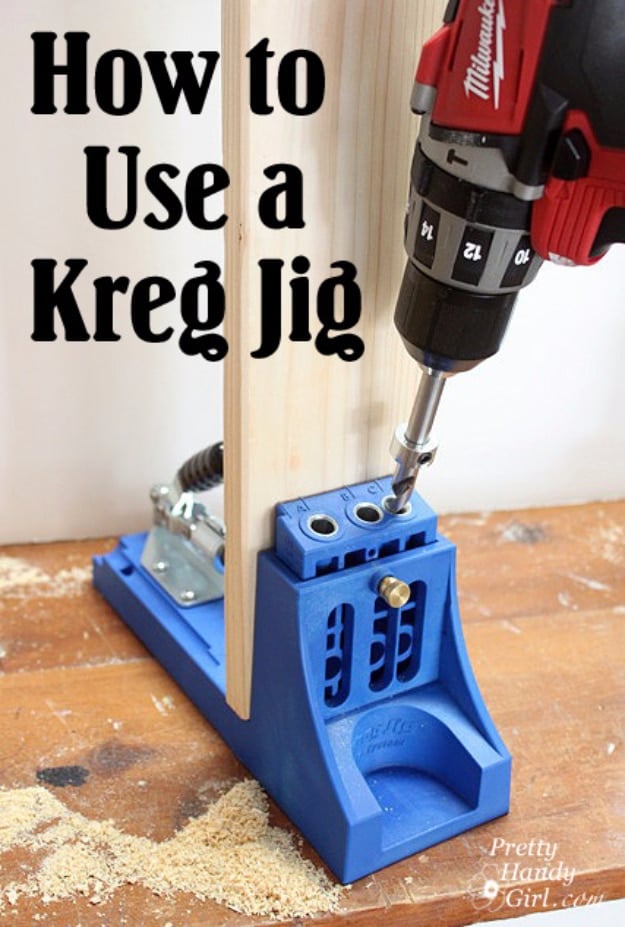
18. Kreg Jig Tutorial
[social_warfare buttons=”facebook, pinterest, twitter, whatsapp, email”]
19. Wood Gluing Techniques
Glue joints done right outlast the wood around them, and this third Westfarthing entry earns the hat trick by covering the full discipline: surface prep, open-time awareness, clamp pressure that seats without starving, and squeeze-out handled at the rubbery stage rather than smeared wet or chipped dry. Even clamping cauls spread pressure across wide panels. The rubbery-stage scrape is the finish-saving habit amateurs learn last. Strong joints are boring science, repeated forever.
20. Preserve Wood Slices
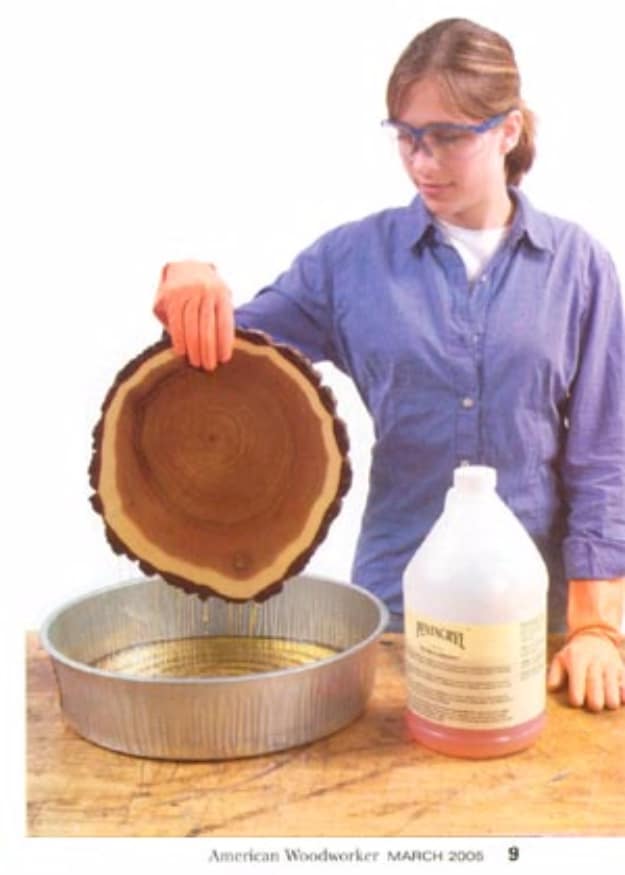
Wood slices crack as they dry unless the drying is managed, and this preservation guide manages it: slow seasoning, stabilizing soaks, and sealants that keep centerpiece rounds from splitting into pie charts. The salt-paste and PEG methods each get their use case. Rustic wedding decor and craft supplies survive to their event instead of cracking in the garage. Cut thick, dry slow, seal well. The tree’s rings deserve the patience, and so does the deposit on forty centerpieces.