Honest admission before we start: I am a hotel and art museum traveler. Give me Paris, New York or the Spanish coast and I can tell you where to eat. Ask me about tent stakes and I will hand you the list instead, because these DIY camping hacks come from people who genuinely camp and have solved the same five problems over and over. Fire that lights on the first try from cotton balls and petroleum jelly. A camp kitchen that rolls up with everything still inside it. Eggs already scrambled into a bottle so nobody cracks a shell over a camp stove. Toilet paper that stays dry, a trash can that costs a dollar and stands up on its own, and a wine cork on the keyring so the car keys float. Most of it is built from things already in your recycling bin or bought at the dollar store, which is the whole point of doing it yourself.
DIY Camping Hacks
1. Camping Survival Kit
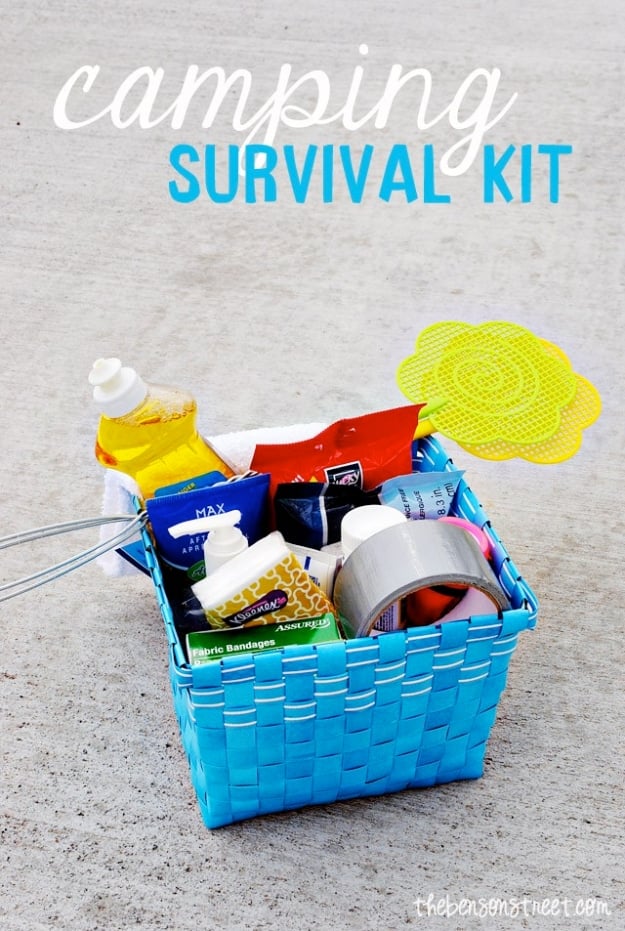
Not a wilderness survival kit, a practical one built entirely at the dollar store for people who camp occasionally rather than constantly. Into a basket or a spare backpack go a fly swatter, dish soap, lip balm, a flashlight, aloe vera, a hand towel, hand sanitizer and a bar of soap. The advice worth repeating comes from bear country: keep anything scented or edible well away from where you sleep. Build it once, restock it after each trip, and stop forgetting the same four things.
Get the full tutorial at The Benson Street.
2. Homemade Fire Starters
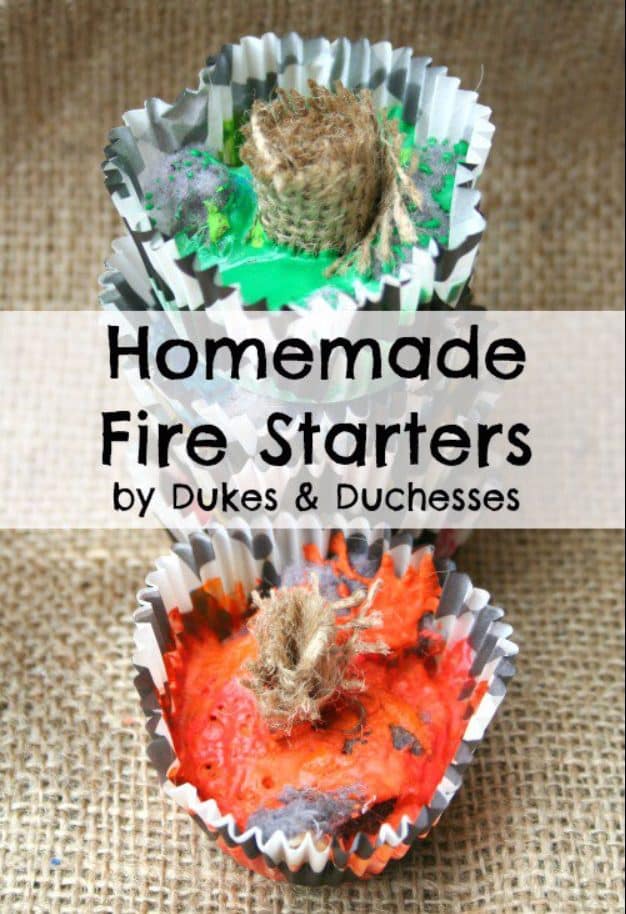
Paper cupcake liners in a regular muffin tin, a thin wood disc cut from a branch in the bottom of each, a small pile of dryer lint on top, then crayon shavings and broken crayon pieces over that. Bake at 275 degrees for seven to ten minutes, watching closely, then press in a wick while the wax is still hot. Foil liners will not work, they have to be paper. Chill until solid and store somewhere cool and dry until the trip.
Get the full tutorial at Dukes and Duchesses.
3. DIY Marshmallow Roasting Sticks
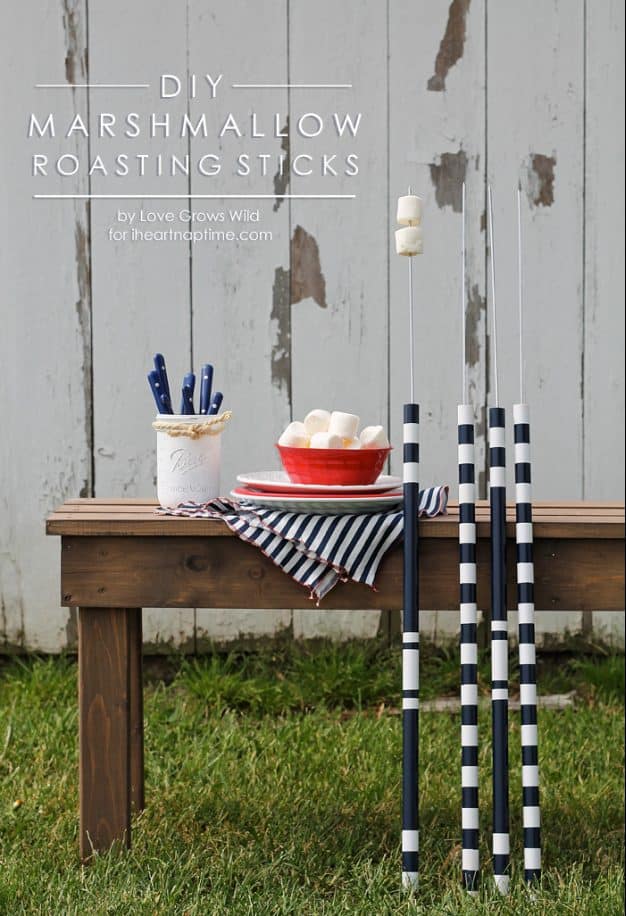
Shop bought roasting forks are short, which is exactly the problem when small children are involved. These are made with deliberately extra long handles so the kids stand well back from the fire, and the handles are wrapped in blue and white stripes so they look like something rather than hardware. They store flat in the garage and get pulled out for backyard fires and outdoor parties too, not just camping trips. No more hunting the yard for a clean stick.
Get the full tutorial at Love Grows Wild.
4. Rolled Camp Kitchen
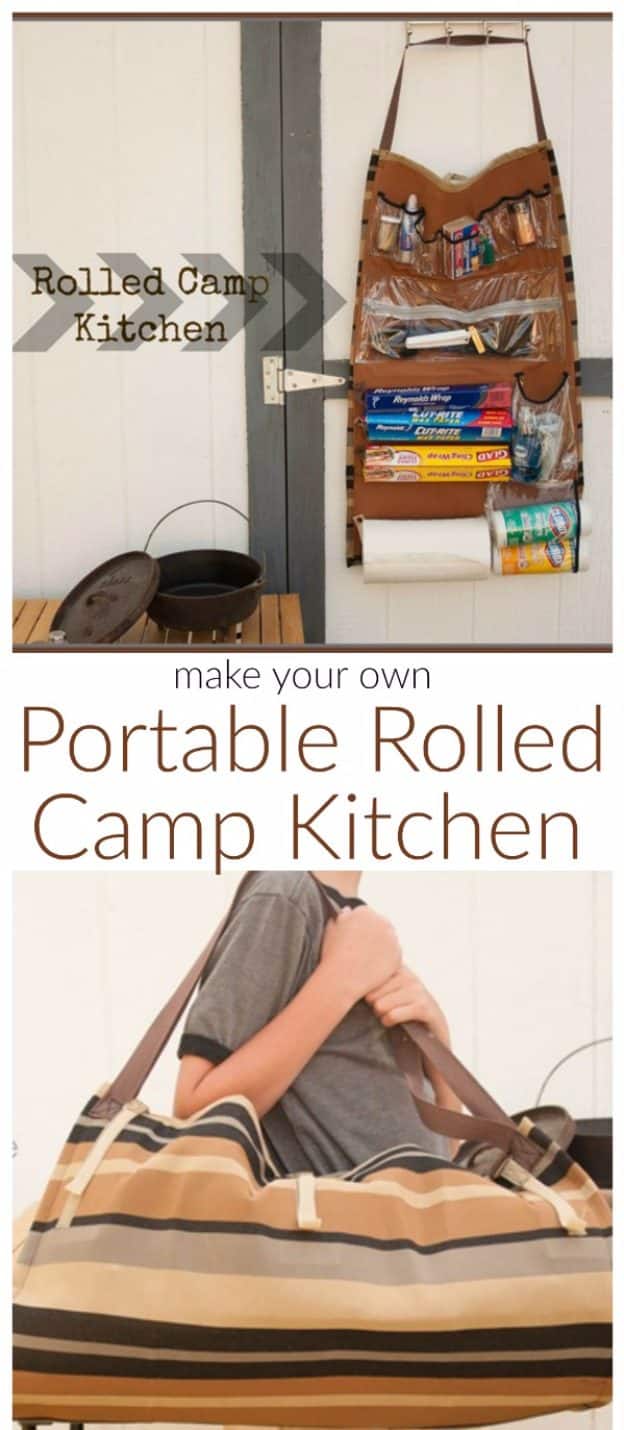
A serious sewing project and the most useful thing on this list if your camp cooking gear lives in a chaotic tote. Outdoor canvas and clear vinyl, stiffened with the heaviest interfacing a fabric store sells, make a panel of pockets and elastic straps for everything from salt and pepper to dish soap and paper towels. The outer panel is cut twenty four by forty one inches, the inner twenty two by thirty nine. It rolls up with the contents still strapped in place.
Get the full tutorial at Today's Creative Life (project by Sew a Straight Line).
5. Homemade Mosquito Repellent
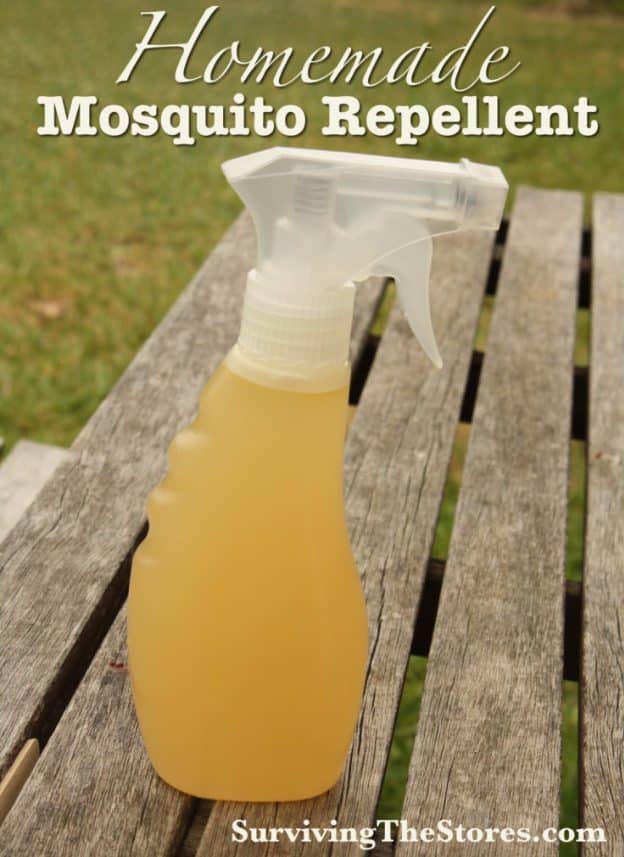
A deet free spray mixed from a little vegetable glycerine, witch hazel or vodka, and citronella, lavender, eucalyptus and tea tree essential oils in a spray bottle. It is the sort of thing you make once before the season and keep in the camp bin. Fine mist bottles are worth buying rather than squirt tops, because a mist covers arms and legs without needing a sink to wash your hands afterward. Patch test any essential oil blend on skin before spraying a whole child.
Get the full tutorial at Surviving The Stores.
6. Match Holder With Sandpaper
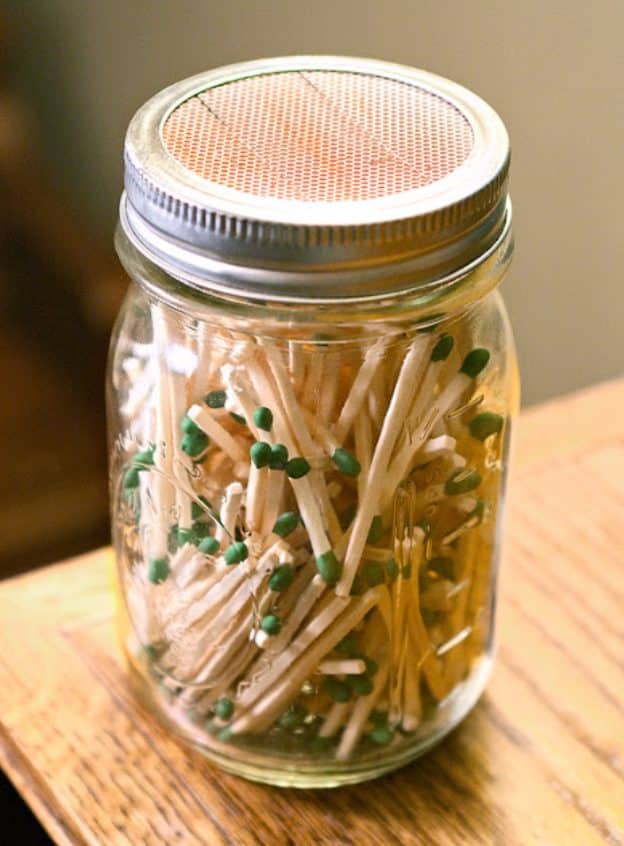
A mason jar keeps matches dry, and the lid is what makes it work. Plenty of versions glue a disc of sandpaper inside, but the maker tried that, found it would not strike properly and cut the strike pad off the original matchbox instead, gluing it into the lid so the striker is always attached to the matches. No soggy cardboard strip to lose. It sits in the camp bin looking far better than a box of matches and survives a rainy weekend intact. Keep a second jar at home by the fireplace while you are at it.
Get the full tutorial at From Like To Love.
7. S'mores In A Bag Campfire Treat
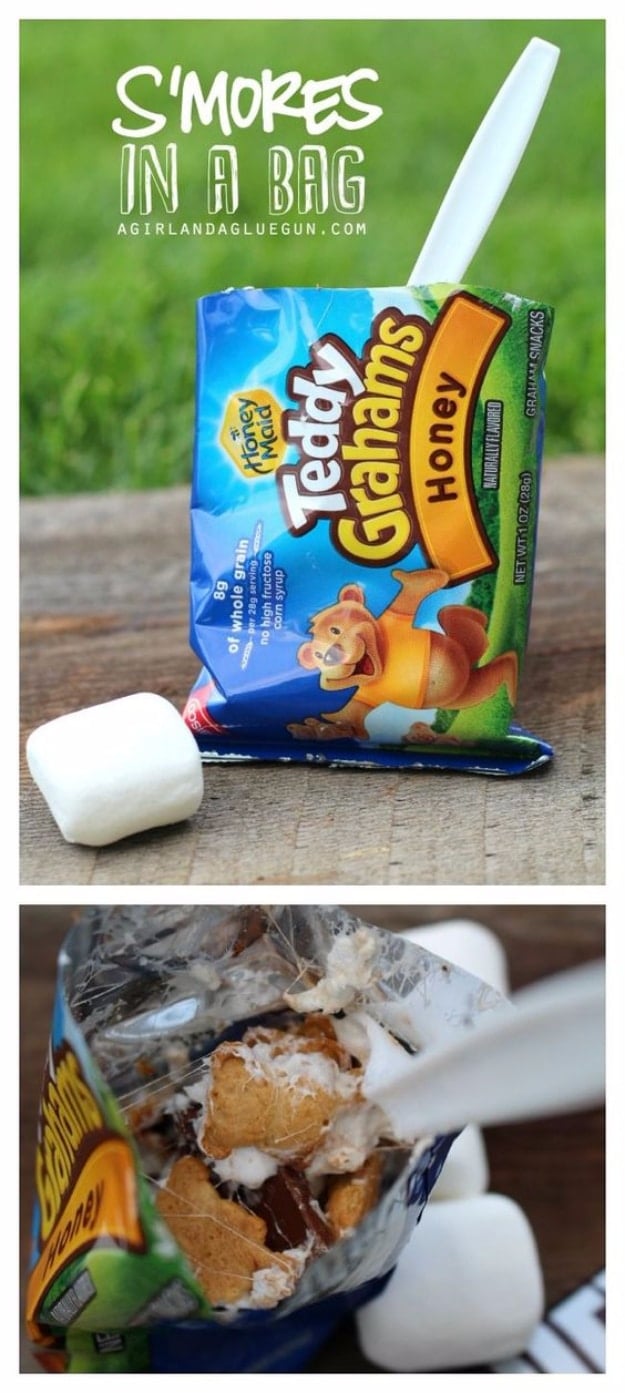
The individual snack bags of cookies do the work: Teddy Grahams, fudge stripes, mini Nilla wafers or animal crackers. Drop chocolate chips into the open bag, toast a marshmallow to whatever shade you like, slide it in and squish everything together. No sticky hands, no graham crackers crumbling into the dirt, and you can set the bag down and pick it up again without the marshmallow collecting gravel. Boxes of twelve mean a whole campsite is fed in one go.
Get the full tutorial at A Girl and a Glue Gun.
8. Wrap Duct Tape Around Your Flashlight
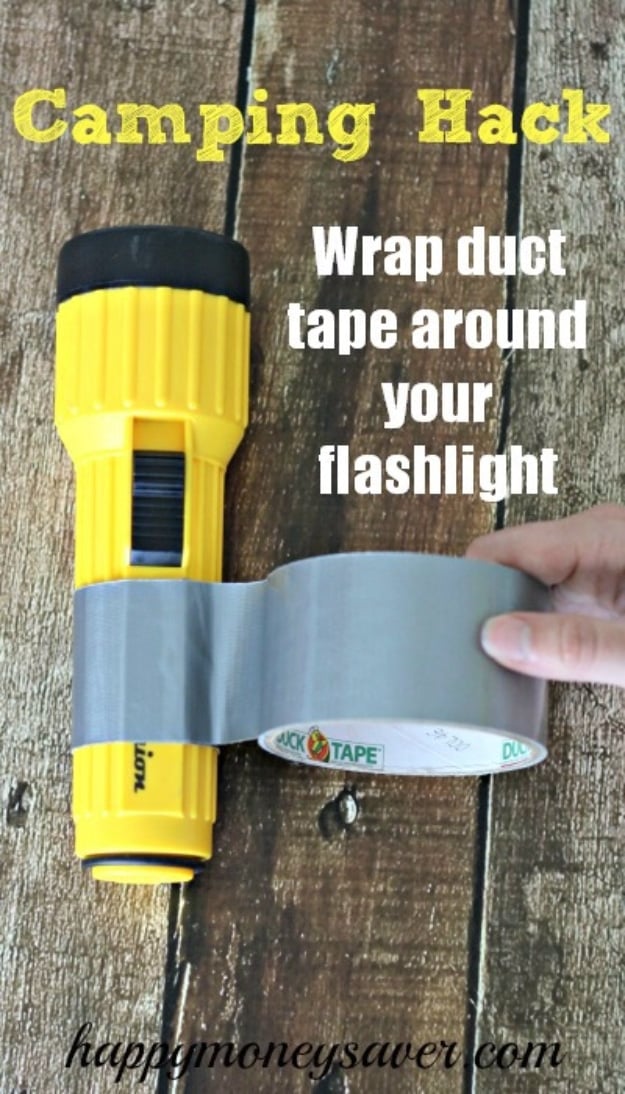
Rather than packing a whole roll, wind a few feet of duct tape around the barrel of a flashlight or a water bottle. It takes no extra room, it is always on something you are already carrying, and it is there the moment a tent seam splits. Duct tape also covers a hot spot before it becomes a blister and can lift a tick off skin, which is a great deal more than most gear in the bag manages on one trip.
Get the full tutorial at Happy Money Saver.
9. Dollar Store Camping Hacks
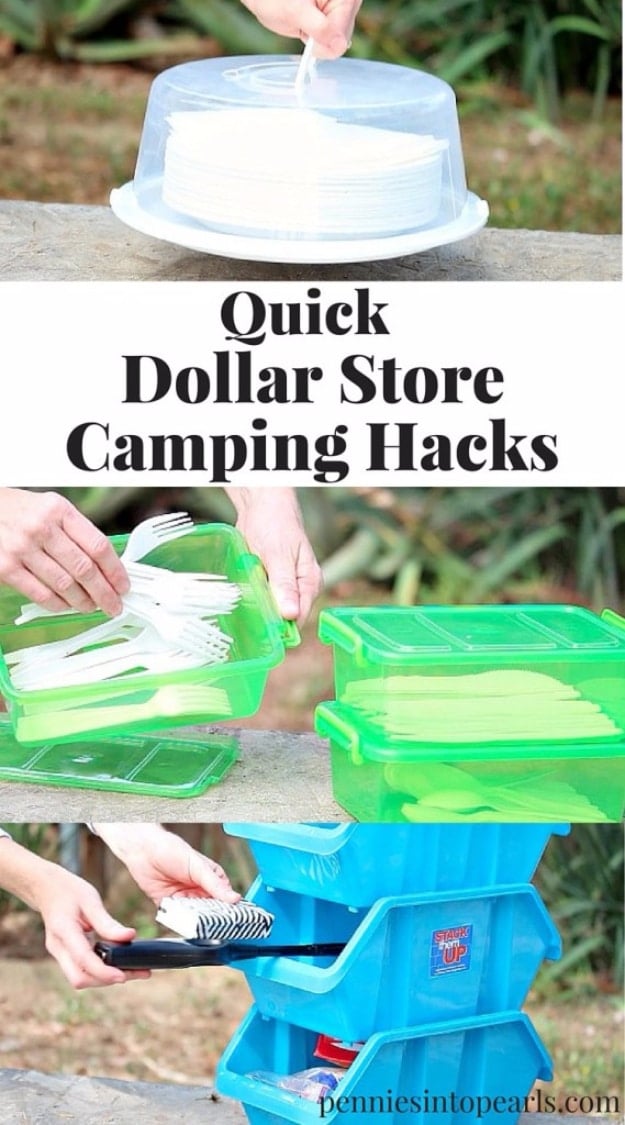
A whole run of camping upgrades where every single supply comes from the dollar store, put together by someone who worked her family out of debt and now plans vacations around a budget. Campgrounds themselves generally run around ten to fifteen dollars a night, which is the cheapest way to take a family anywhere, and the gear is the part that quietly blows the budget. This is the video to watch before you spend forty dollars on a camp kitchen gadget.
Get the full tutorial at Pennies Into Pearls.
10. Camping Tips
The DIY JOY collection of camping tips belongs here as the companion piece to all the single problem hacks below. It covers the connective tissue: a gallon jug strapped around a light to spread the glow with no cutting, microfiber cloths that hold water for washing up, a solar heated portable shower rigged inside a beach wind breaker, foam play tiles under the tent floor, and sage burned by the fire to move the mosquitoes along. Skim it before the first trip of the season.
Get the full tutorial at DIY Joy.
11. Make Your Own Emergency Toilet
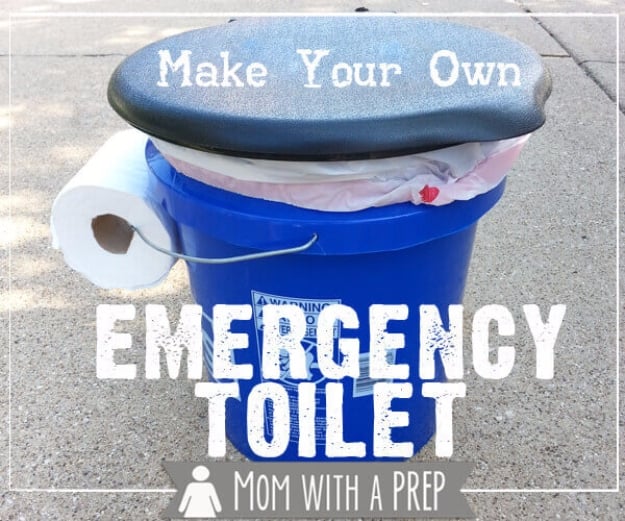
A five gallon bucket, a seat and heavy duty liner bags, and the reason to build it is that nobody wants one until the moment they badly need one. It covers a campsite with no facilities, a long drive through nowhere and a house whose sewer has backed up after a storm. Kitty litter or sawdust in the liner handles the smell. It costs very little, it stores inside itself, and it takes camping with small children from a gamble to a plan.
Get the full tutorial at Mom Prepared.
12. Keep Valuables In A Ziploc Bag
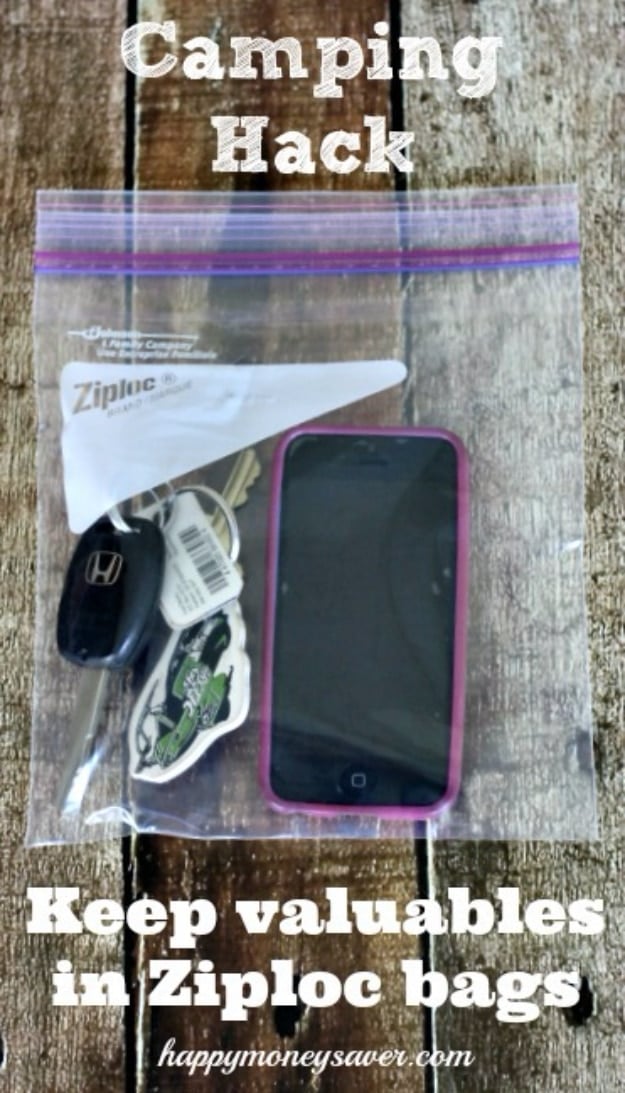
Before you leave, put important and sensitive items into separate plastic bags. Phone, keys, wallet, licenses, matches, car fob. It is dull advice and it is the reason experienced campers never have a soggy wallet story. Separate bags rather than one big one means you can find things without opening everything, and the see through plastic means no rummaging with wet hands. Keep spares in the gear bin, because they end up holding wet swimsuits and leftover snacks on the way home.
Get the full tutorial at Happy Money Saver.
13. Brilliant Camp Kitchen Organizer
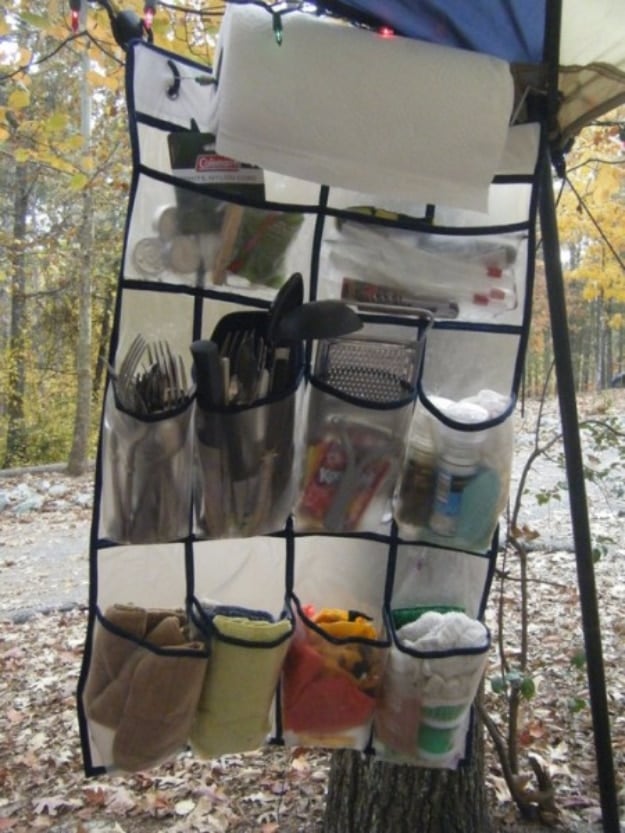
A hanging shoe organizer, strapped to a tree or a canopy pole, filing the entire camp kitchen at eye level and off the table. Utensils, spices, foil, matches and the can opener all go in their own clear pocket, so dinner stops being an excavation. Rain runs straight off the plastic. Best of all it rolls up with everything still in its pocket, which means next trip the kitchen unpacks in a single motion rather than an hour of sorting.
Get the full tutorial at Starling Travel (idea originally shared by Margie Barnett).
14. DIY Single Use Antibiotic Packs
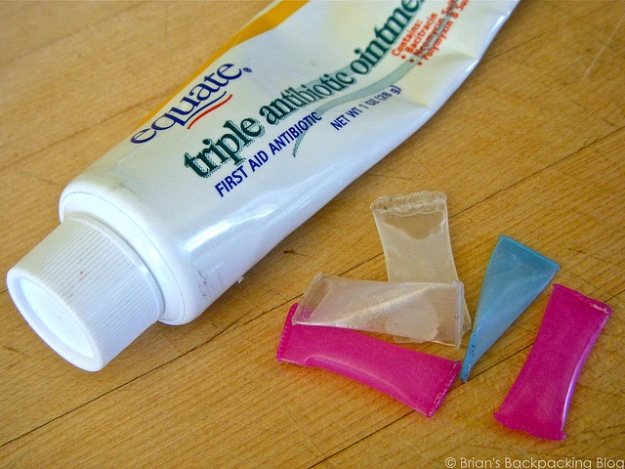
Ultralight backpackers solved the first aid bulk problem with drinking straws. Cut a straw into short sections, seal one end with pliers and a lighter, fill it with a single dose of antibiotic ointment squeezed from the family size tube, then seal the other end. Each pack weighs nothing, survives being crushed in a pack and opens with a snip of scissors. The same trick portions sunscreen, toothpaste and lotion for a day hike. It is repackaging, not chemistry.
Get the full tutorial at Brian Green.
15. Store Pre-Scrambled Eggs in a Bottle for No-Mess Camping Food
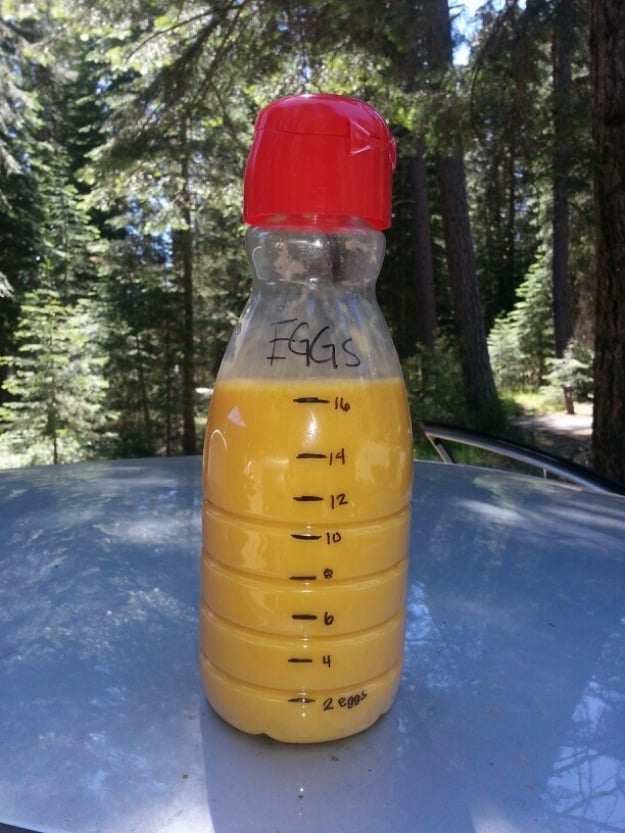
Crack all the eggs you plan to take at home, whisk them, and pour them into a sturdy bottle with a reliable lid. Season them then and there with salt and pepper to save doing it over a camp stove. The bottle rides in the cooler and pours straight into the pan. Label it, both so nobody mistakes it for juice and because the markings on the side show at a glance how many eggs are left. It also lets kids cook eggs without the shells.
Get the full tutorial at Lifehacker.
16. Homemade Calamine Lotion
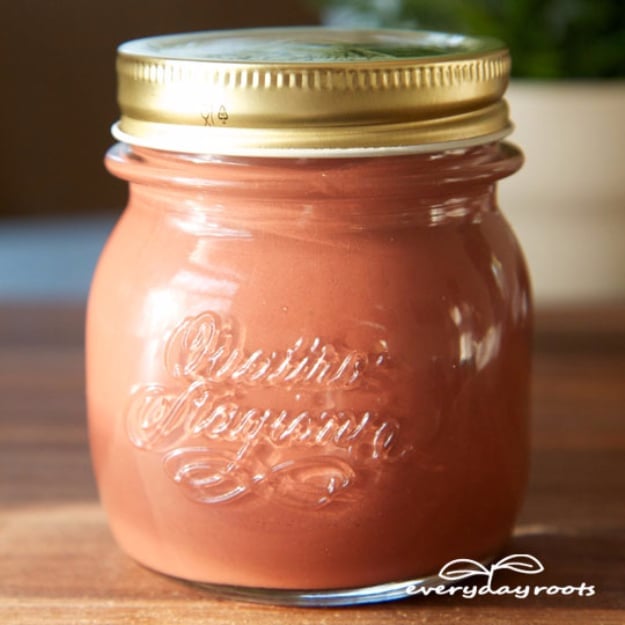
A soothing pink lotion mixed from simple pantry and pharmacy staples, for the ordinary bug bites and sun warmed skin of a camping weekend. It mixes in minutes and stores in a small jar in the first aid bin. Patch test it on a small area first, especially on children, and anything that is spreading, swelling or not settling down deserves a real medical opinion rather than a home remedy. Small jar, long weekend, considerably less midnight scratching.
Get the full tutorial at Everyday Roots.
17. Keep Your Toilet Paper Dry While Camping with a Coffee Container
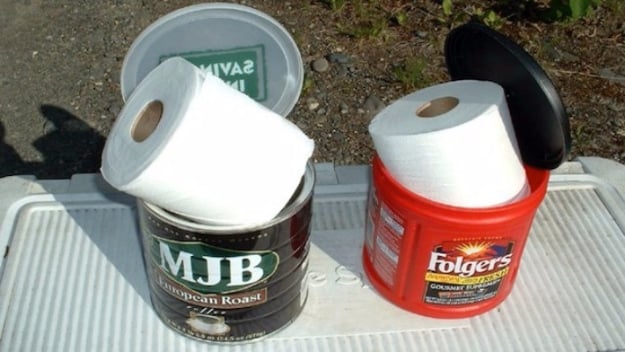
Save a large plastic coffee canister before the trip. It is almost exactly the right size for a roll of toilet paper, and with the lid on, the roll stays dry through rain, dew and a cooler that leaks. Soggy toilet paper is worse than no toilet paper, which is the entire argument. The canister was headed for the recycling anyway, it seals better than a paper bag, and it earns its space in the car by holding other things once the roll is gone.
Get the full tutorial at Lifehacker (tip originally from Alaska Outdoor Journal).
18. Cotton Ball Fire Starters
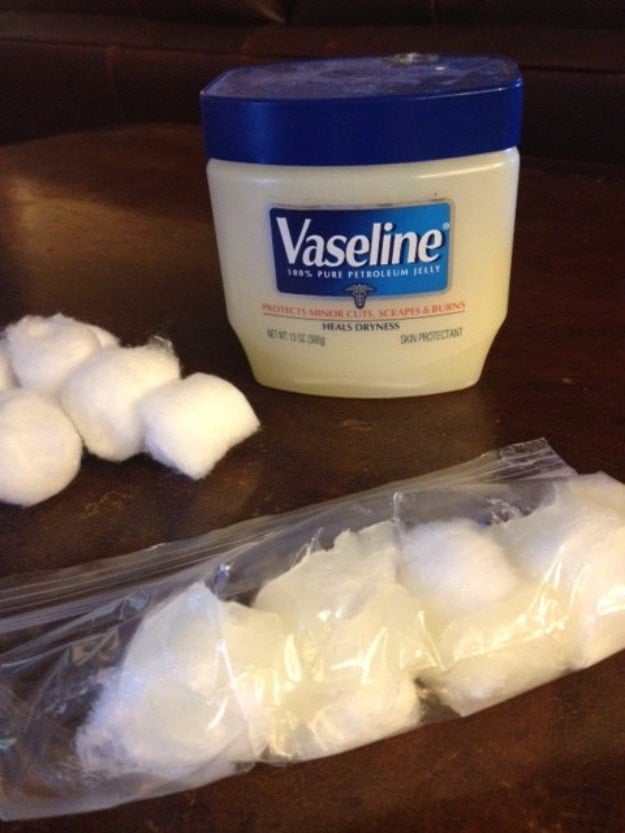
Two ingredients, and each one burns for about two minutes, which is exactly long enough to talk damp kindling into cooperating. Take roughly two fingertips of petroleum jelly and work it around a cotton ball, deliberately leaving a small patch uncovered so it catches a spark. Do not dunk the cotton ball into the jar, because it sticks and tears apart when you pull it out. Line them up in a sandwich bag and drop a couple under the logs at camp.
Get the full tutorial at Pinching Your Pennies.
19. Camping Bedding Storage
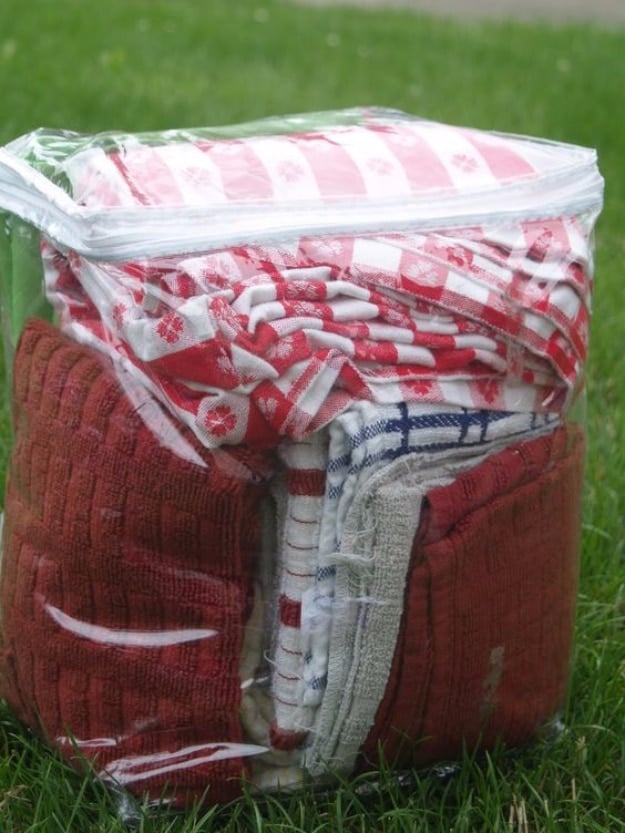
The organizing system here is two Rubbermaid tubs that live on a garage shelf for three hundred and sixty one days a year, one for general camping supplies and one for cookware, each with a typed inventory list sitting on top of the contents. That list is the whole trick, because packing stops being an excavation. Inside, the clear zip plastic bags that sheets, curtains and baby clothes are sold in work beautifully as free internal organizers for bedding and small gear.
Get the full tutorial at Blue Eyed Blessings.
20. Pop Up Trash Can
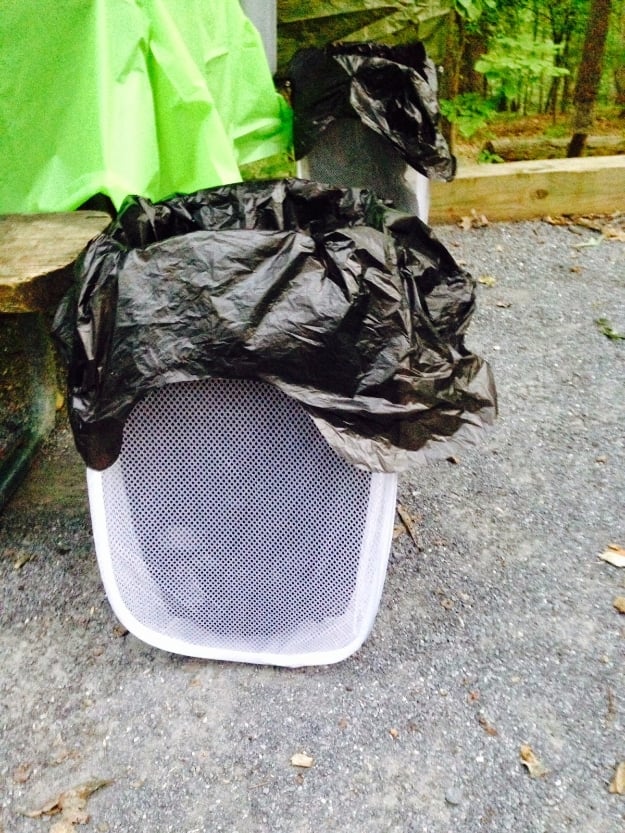
Hanging the trash bag from a tree or weighting it under the cooler works right up until it does not. A one dollar mesh pop up laundry hamper with the bag pulled down over the rim fixes all of it: cheap, compact, light, and fitted with handles so it can be carried to wherever the mess actually is while the bag stays open and upright. Run two, one for trash and one for recycling, and put them in the truck cab overnight so the critters go elsewhere.
Get the full tutorial at Camping Kitchen and Tips.
21. Yoga Mat Makes A Great Cushion
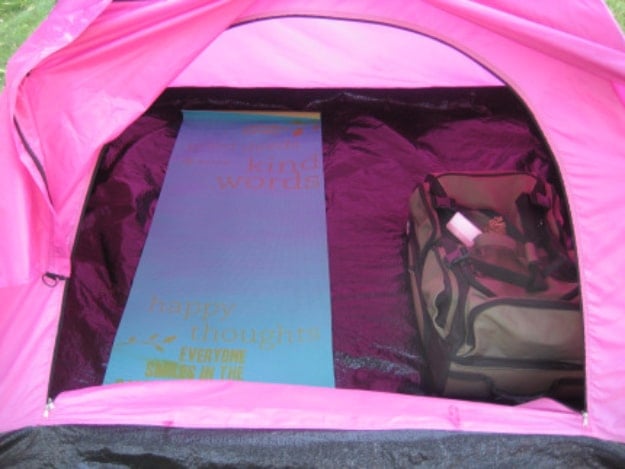
A yoga mat is closed cell foam, which is the same material serious backpackers have carried for decades, and it insulates you from cold ground far better than a furniture cushion does. Rolled out flat inside the tent it works as a sleeping pad under a bag, and cut down it becomes a kneeling pad for hammering tent stakes, a bench softener for a picnic table or a standing mat at the camp kitchen. A retired mat costs nothing and the pieces stack flat.
Get the full tutorial at Susan G. Komen 3-Day.
22. Cork on Your Keys
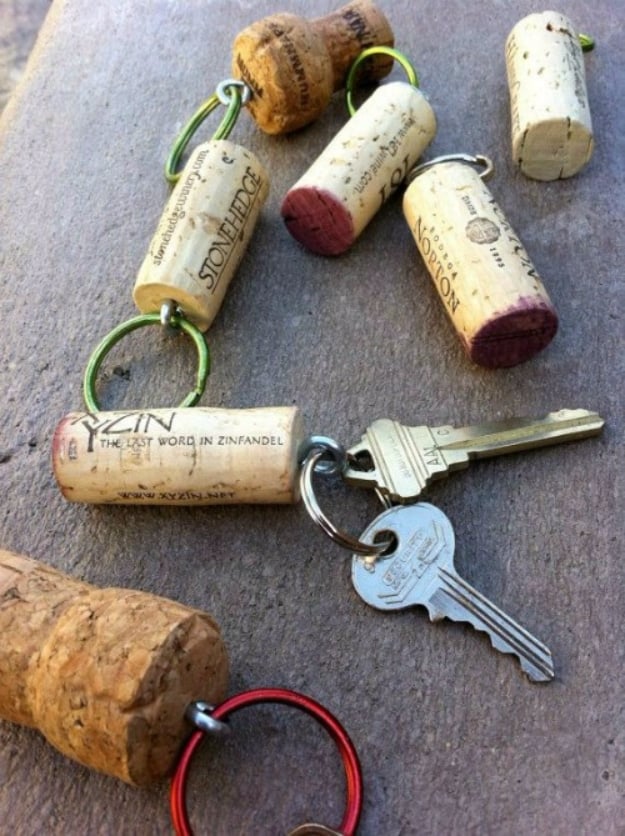
Attach a wine cork to your keyring with wire and the whole set floats if it goes into the lake. That is it, that is the hack, and it is the difference between a bad afternoon and a genuinely ruined trip. One cork carries most keyrings and two will handle the heavy modern fob. Test the float in a sink before you trust it to a dock, which takes thirty seconds and settles the question. The cork costs one bottle of campsite wine.
Get the full tutorial at Greenmoxie.
23. Easy Pancakes While Camping
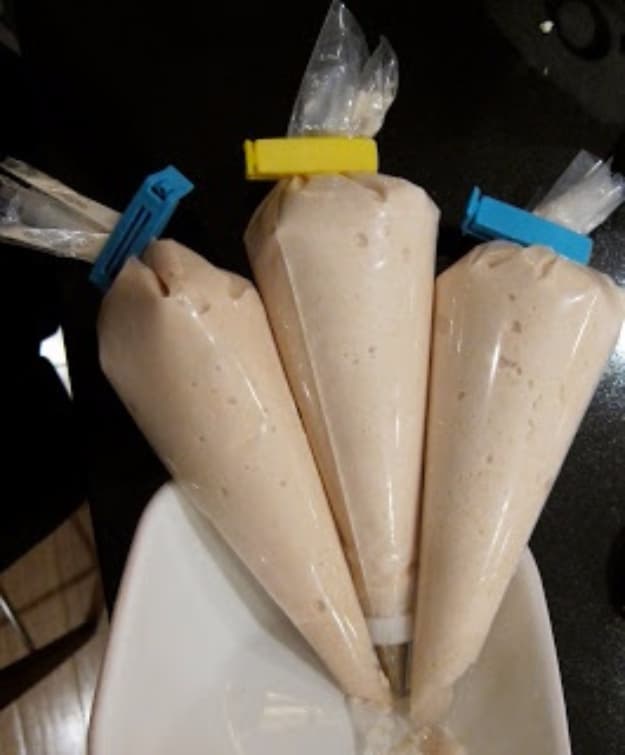
Mix the batter at home where the measuring cups live, pour it into zip top bags, and tie or clip the tops shut. At camp you snip a small corner off and pipe the batter straight into the pan like a piping bag, and the kids can squeeze out their own lopsided ones. No bowl, no whisk, no flour anywhere it should not be. Treat it like any perishable batter, keep the bags cold in the cooler and use them on the first morning.
Get the full tutorial at A Mum 'n the Oven.