I call myself an uncertified chef, self taught, and homemade beer recipes are the one corner of the kitchen I have not taught myself yet, so I am here as a very interested beginner rather than a brewer. What I can tell you is that this list covers the whole range. There are foraged hedgerow brews that need little more than a bucket, a demijohn and some bottles, partial mash and extract batches that skip the full all grain setup, recipes with gravity numbers and hop schedules for anyone who wants to get properly technical, and a handful of ginger beers, root beers and birch beers that carry no alcohol at all. Start with a primitive brew if it is your first time, because you will learn far more from a simple batch that finishes than from a complicated one that stalls. After that, play with hops, malts and whatever is growing in the yard.
1. Mugwort Lemon Beer
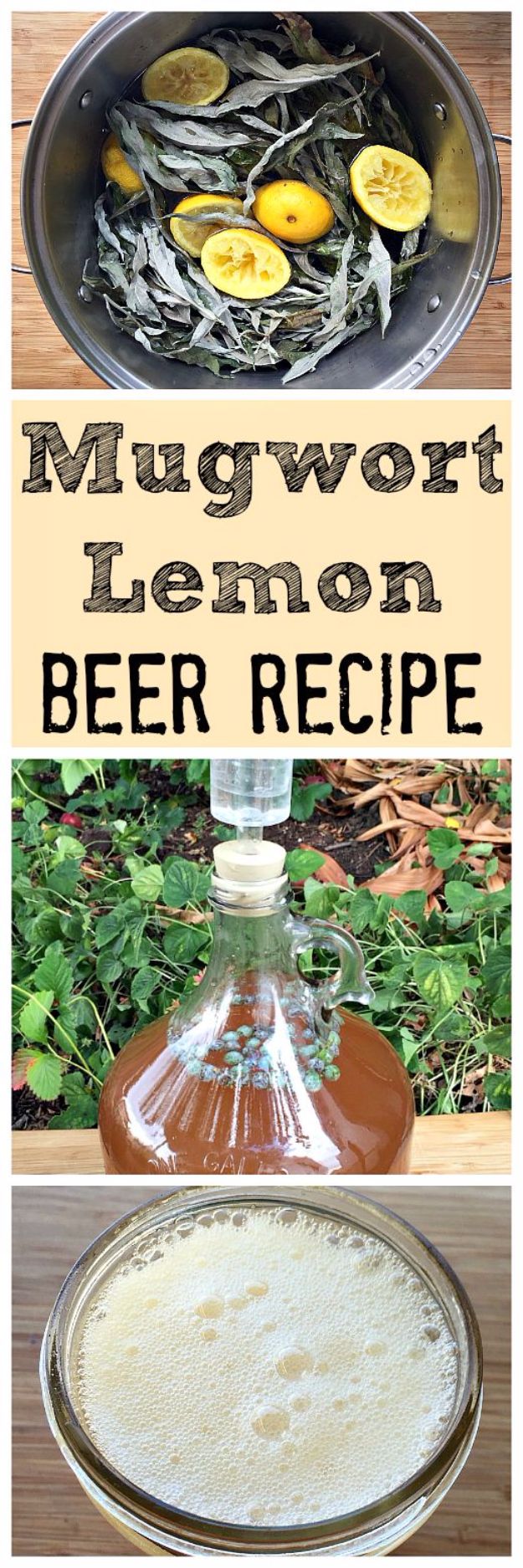
A primitive brew rather than a traditional beer, and much simpler for it. Water, dried foraged mugwort and brown sugar go in a pot with cut and squeezed lemons, boil for 30 minutes, cool to 70 degrees, then pitch a wild yeast starter. Strain into a one gallon jug, fit the airlock and leave it ten days. Sanitize everything first, which is the one rule you cannot skip.
Get the full tutorial at Grow Forage Cook Ferment.
2. Homemade Caribbean Ginger Beer
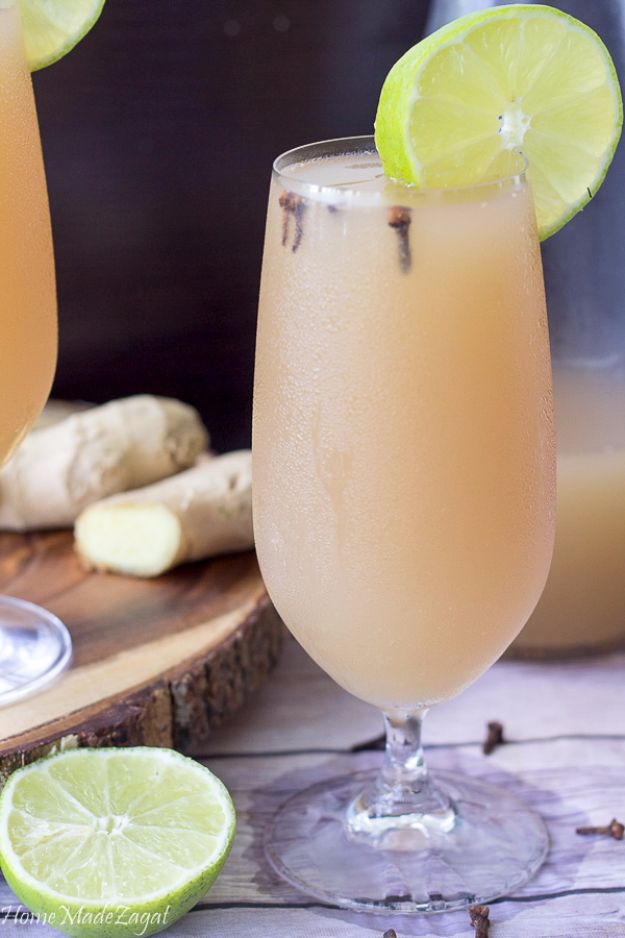
Not ginger ale and not remotely mild. Fresh ginger root is blended with water and left to sit with lime peel, cinnamon and raw rice for 24 to 48 hours, then strained, sweetened and finished with bitters and vanilla before it chills. It is a Christmas fixture across the Caribbean, served alongside sorrel, and it gives your chest that proper ginger thump that no bottled version manages.
Get the full tutorial at This Bago Girl.
3. Grapefruit Honey Ale
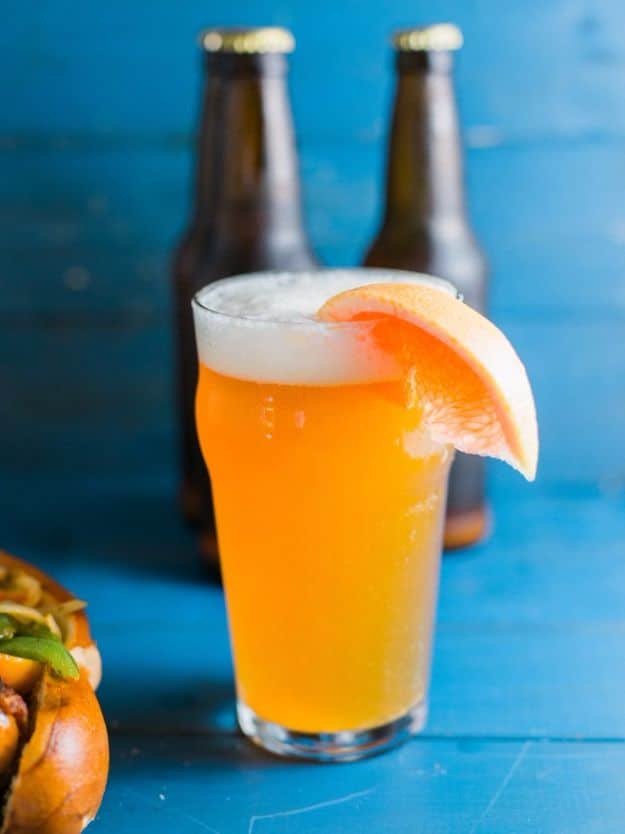
Brewed from a Brooklyn Brew Shop kit, so this is a reasonable second batch rather than a first. It drinks like an IPA with a sweeter edge, and a wedge of grapefruit in the glass is a genuine improvement. Two things worth stealing from the write-up: a cinnamon stick in the pot with the dried grapefruit rinds, and real care when pouring, because the sediment at the bottom does not want to be disturbed.
Get the full tutorial at Dad With A Pan.
4. Dandelion Beer
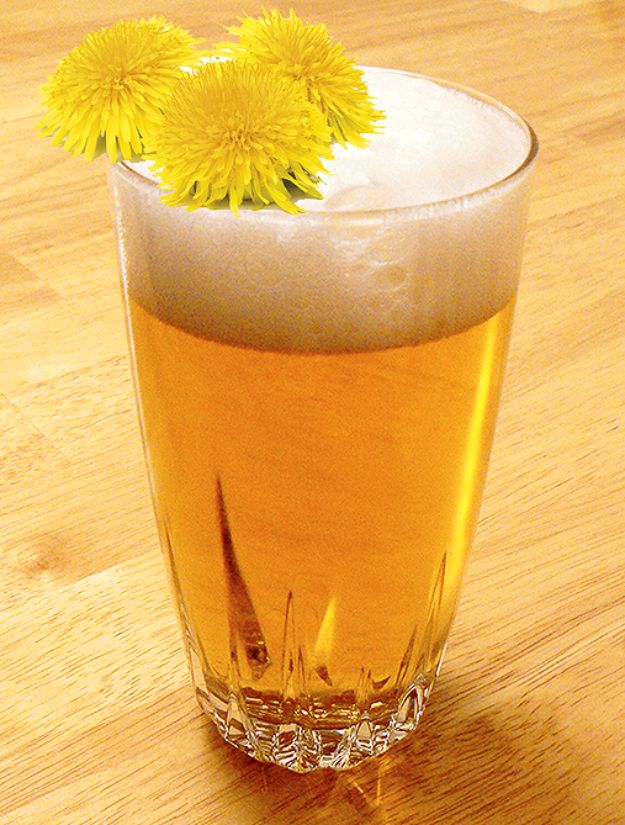
Dandelions are free, they are everywhere in spring, and the whole plant is edible, roots, leaves and flowers alike. The traditional version here comes out of a 1931 recipe and uses two ounces each of dried dandelion and dried nettle with an ounce of yellow dock root, which is what an early American settler would have reached for with no hops in the house. Ferment it in glass or stainless, because it stains plastic.
Get the full tutorial at Northern Brewer.
5. Raspberry Wheat Beer
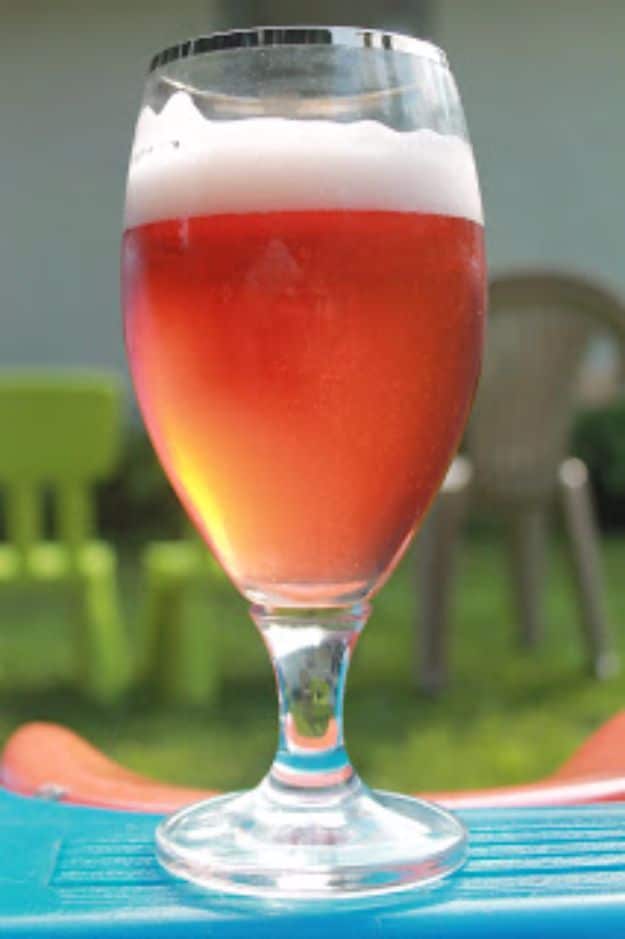
A five and a quarter gallon batch that finished at 5.25 percent, with five and a half pounds of raspberries added to the primary. The base is deliberately plain, low malt flavor and just enough hops to balance, so the fruit has room. It came out copper rather than red, which is honest: without food coloring, raspberries will not give you the bright pink people expect.
Get the full tutorial at Richard's Homebrew.
6. Homemade Ginger Ale
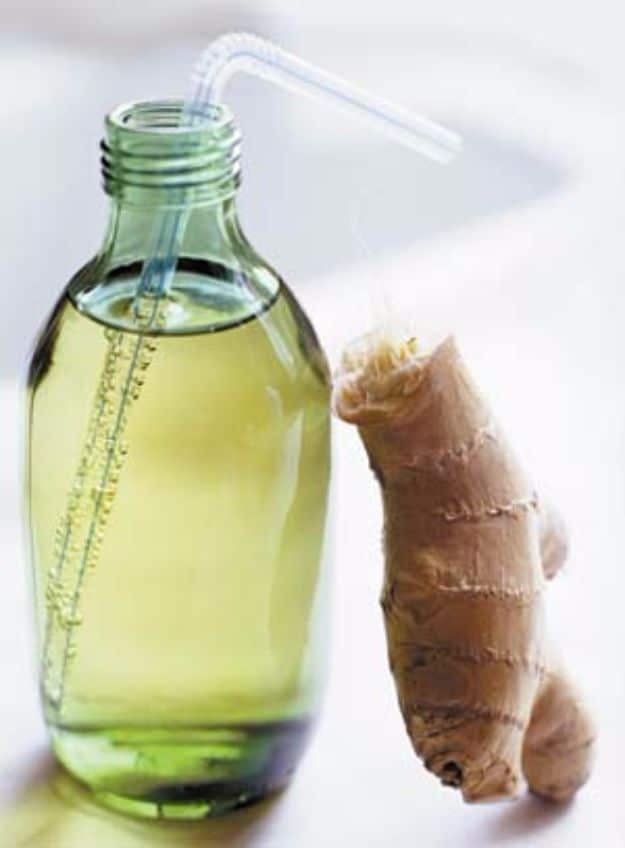
Barely more than an ounce and a half of fresh ginger root, lemon, lime and orange juice, brown or cane sugar with white sugar, four quarts of water and an eighth of a teaspoon of yeast. Simmer the ginger and juices for 30 to 60 minutes, and the longer you go the stronger the flavor. It makes eight sixteen ounce bottles, and it is a genuinely useful thing to have when somebody has a bad stomach.
Get the full tutorial at Grit.
7. Coffee Beer
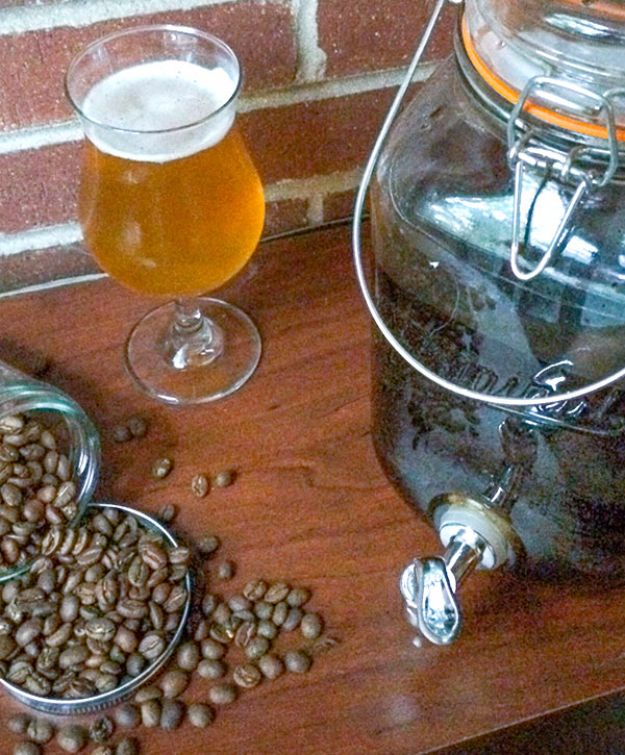
The key is cold brew, not a pot of coffee cooled down. Coarse ground dark roast, one to two ounces of beans per cup of filtered water, sealed in the fridge for 12 to 24 hours, then strained through cheesecloth. Hot water pulls out the astringent, burnt notes along with the flavor, and in a beer those turn unpleasant fast. Cold brewing simply leaves them behind.
Get the full tutorial at American Homebrewers Association.
8. Homemade Beer
Our own beginner’s guide, built around a step by step from Food Farmer Earth, and the honest part is the money. If you are replacing good craft beer with your own, the cost really does come down and you get a hobby out of it. If what you normally buy is the cheapest thing in the cooler, brewing will not save you much. Worth knowing which one you are before you spend on equipment.
Get the full tutorial at DIY Joy.
9. Homemade Belgium Beer
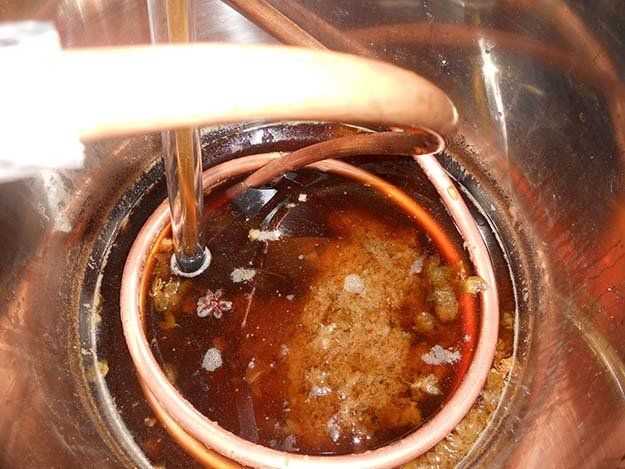
A dark Brett saison with candied figs, star anise, cinnamon and sweet orange peel, built on a Pilsner base with Munich, flaked wheat, melanoidin, Caramunich, Special B and debittered black malt. French saison yeast plus brettanomyces. Estimated original gravity 1.066, final gravity 1.003, 21.7 SRM, 21.3 IBU and a 90 minute boil. The final gravity moves with the sugar in the figs, so expect to land near rather than on it.
Get the full tutorial at Small Place Big Brews.
10. Summer Ale
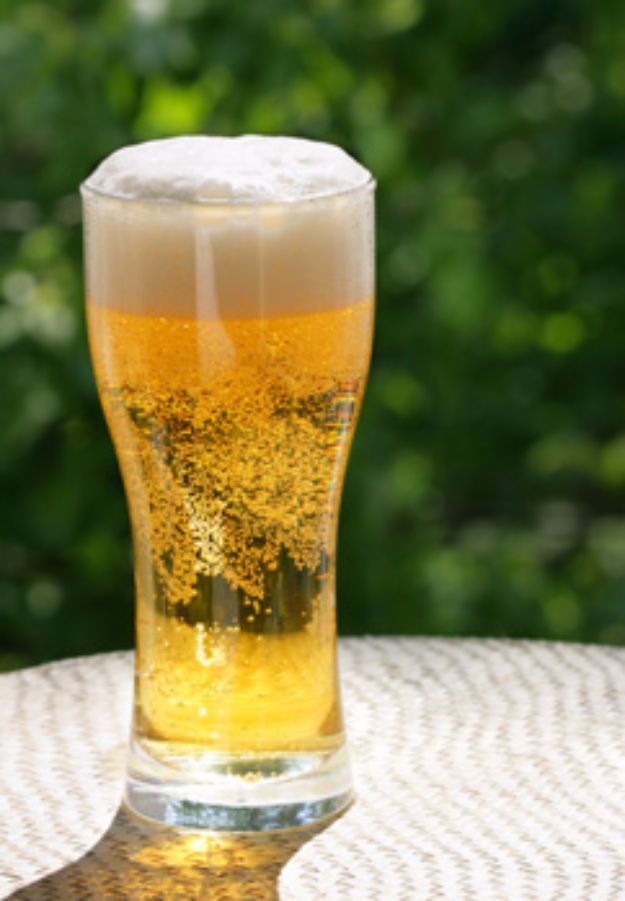
Drew Beechum’s summer ale exists to prove a point about speed: it goes from grain to glass in six days. It is deliberately small, 3.2 percent and 26 IBU, built on Maris Otter with a little Vienna and white wheat and bittered once with Magnum at 60 minutes. Nothing in a beer this clean gives a fault anywhere to hide, which is the real reason it is worth brewing.
Get the full tutorial at American Homebrewers Association.
11. Fermented Lager Brew
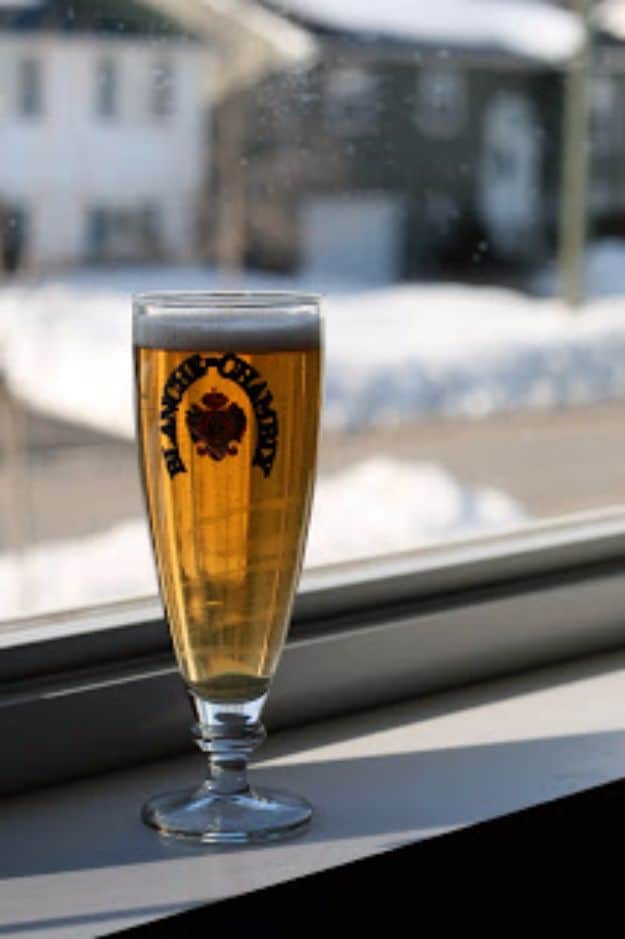
Everything up to the yeast is the same as an ale: mash, vorlauf, sparge, boil, chill. The difference is entirely fermentation, and it is temperature. A fermentation chamber, which usually means a fridge or freezer with a temperature controller on it, is close to essential. The write-up includes an honest failure: a batch set in a garage in early spring got too cold overnight, the yeast dropped out and the fermentation stuck.
Get the full tutorial at Meek Brewing Co..
12. Homemade Birch Beer
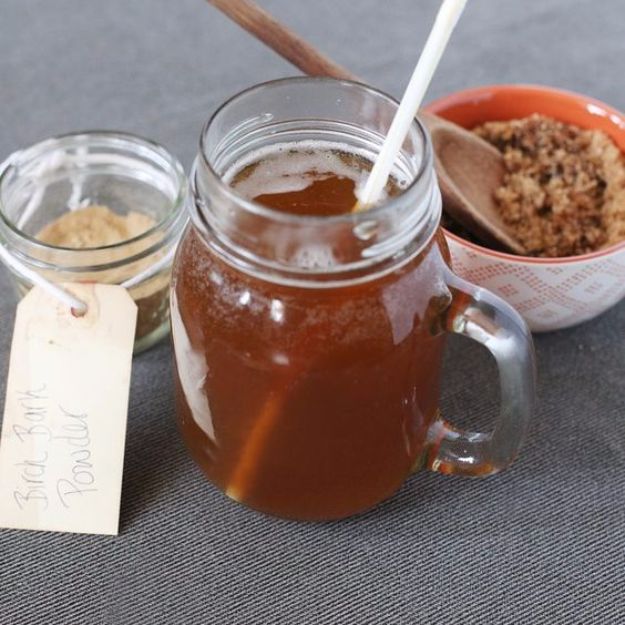
Birch beer is an East Coast tradition, nonalcoholic, and it tastes minty and wintergreen rather than like root beer, though they are cousins. Use birch oil straight in water, or boil dried bark for about 30 minutes until the flavor is where you want it. Brown sugar or molasses adds color and depth. Crushed ginger, vanilla bean and star anise are the usual extras.
Get the full tutorial at LEAFtv.
13. Wheat Beer
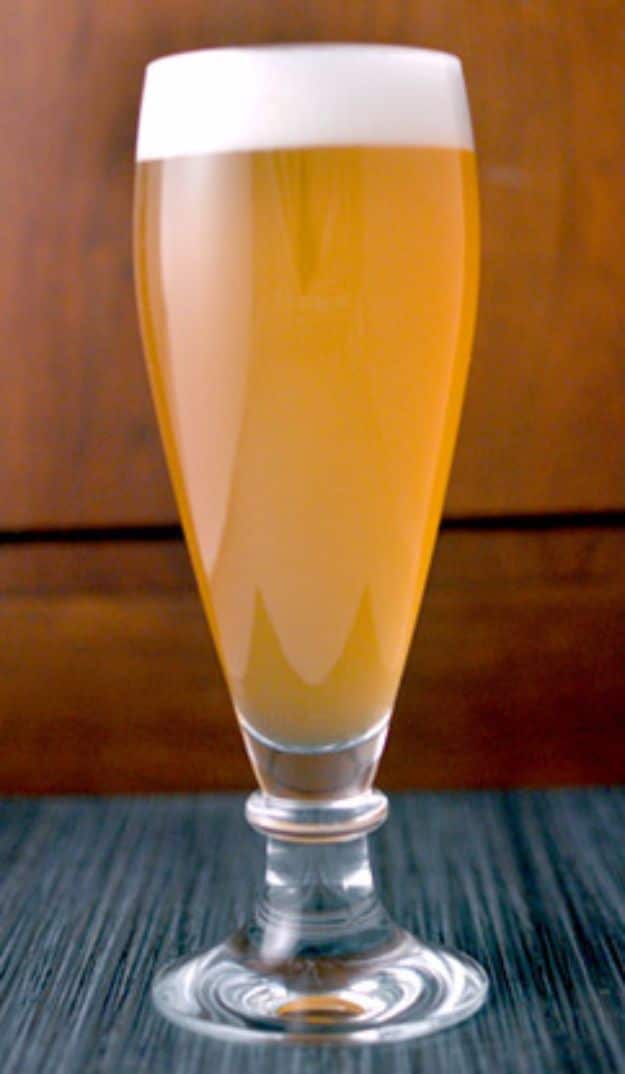
A passionfruit and mango wheat beer, and the recipe is specific: 4.5 pounds wheat malt, 3.5 pounds two-row, flaked wheat, Munich and rice hulls, with Northern Brewer, Mt. Hood and Cascade hops. Mash 60 minutes at 151 degrees, ferment two weeks at 68, then add a pint of passionfruit puree and a quart of mango and age two more weeks. There is an extract version too.
Get the full tutorial at American Homebrewers Association.
14. Homemade Root Beer
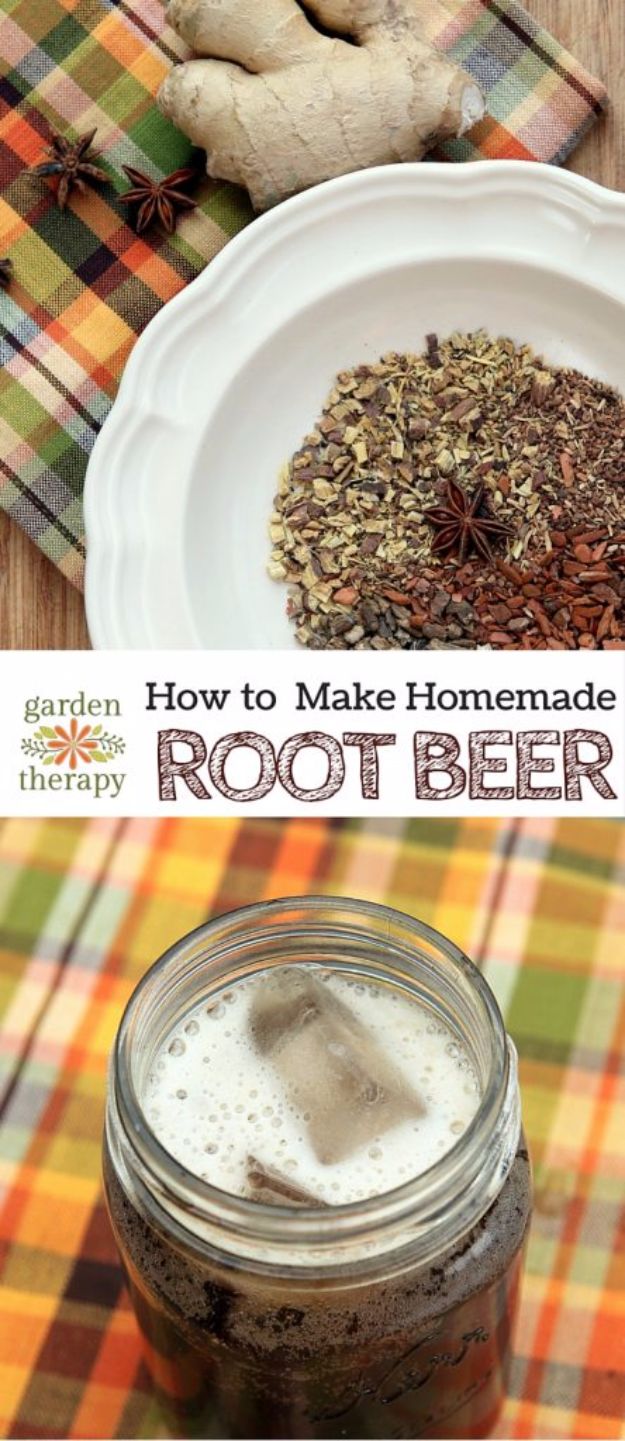
Root beer really is a combination of roots, which is the bit most people never think about: sassafras first, then sarsaparilla, birch, wintergreen, licorice, burdock and ginger. Homemade has far more kick than the store version, which is syrupy by comparison, and you will taste the vanilla and brown sugar underneath properly. One of the best sweet drinks to make yourself.
Get the full tutorial at Garden Therapy.
15. Blackberry Stout
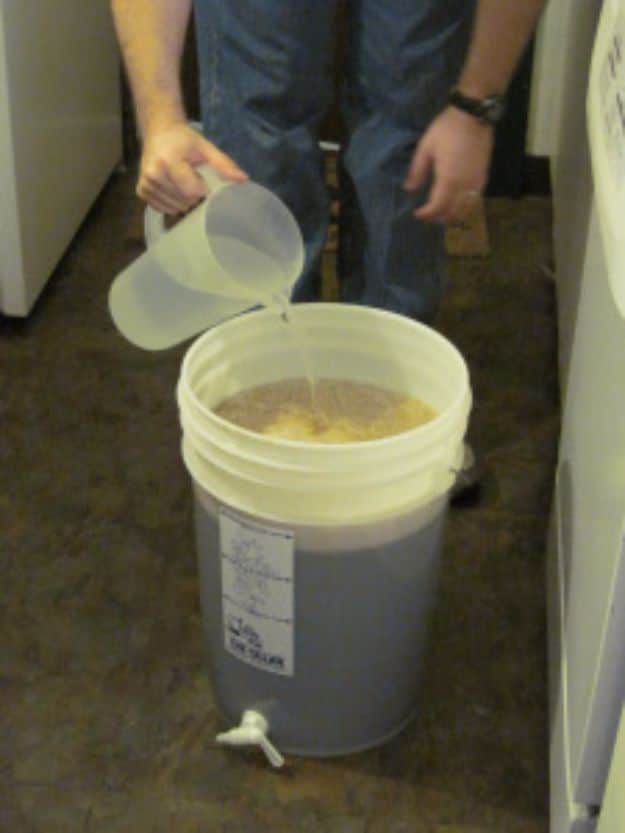
This is a partial mash, which is the middle road: a malt extract base plus your own chosen specialty grains boiled to pull out exactly the flavors you want, without the temperature discipline a full all grain mash demands. Blackberries and dark beer are a natural pair. The additions go in after fermentation has started, so sanitation matters more here than on a simpler batch.
Get the full tutorial at Do It Yourself From Scratch.
16. Standard American Lager
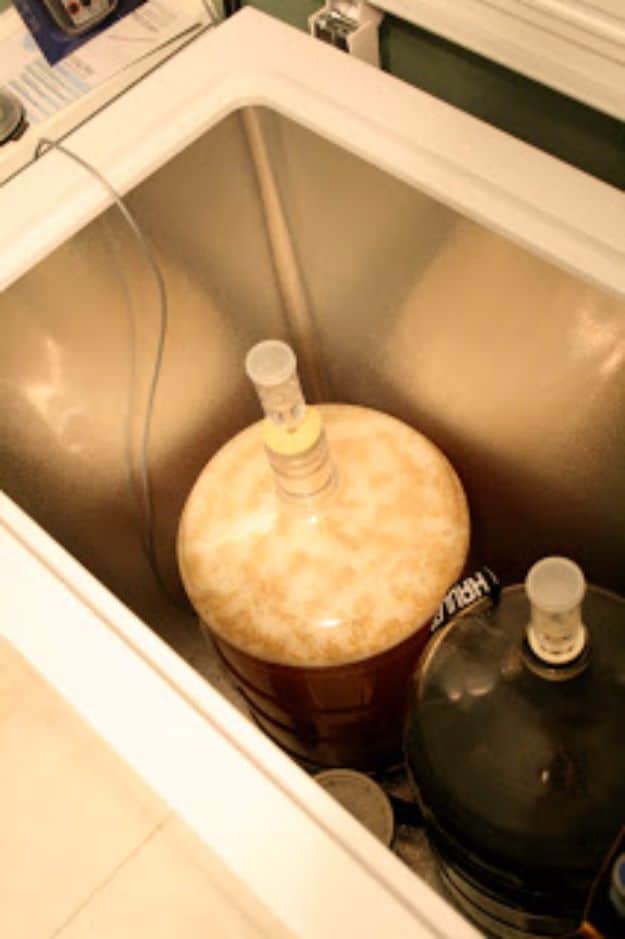
Counterintuitively this is one of the hardest things to brew well, because the recipe is simple and there is nothing in the beer for a flaw to hide behind. A flaked rice or corn adjunct gives the grainy sweetness and the lighter body, and lager yeast adds all the usual fermentation complications. Brew it for the family members who politely decline your porter.
Get the full tutorial at Meek Brewing Co..
17. Homemade Sugar-Free Ginger Beer
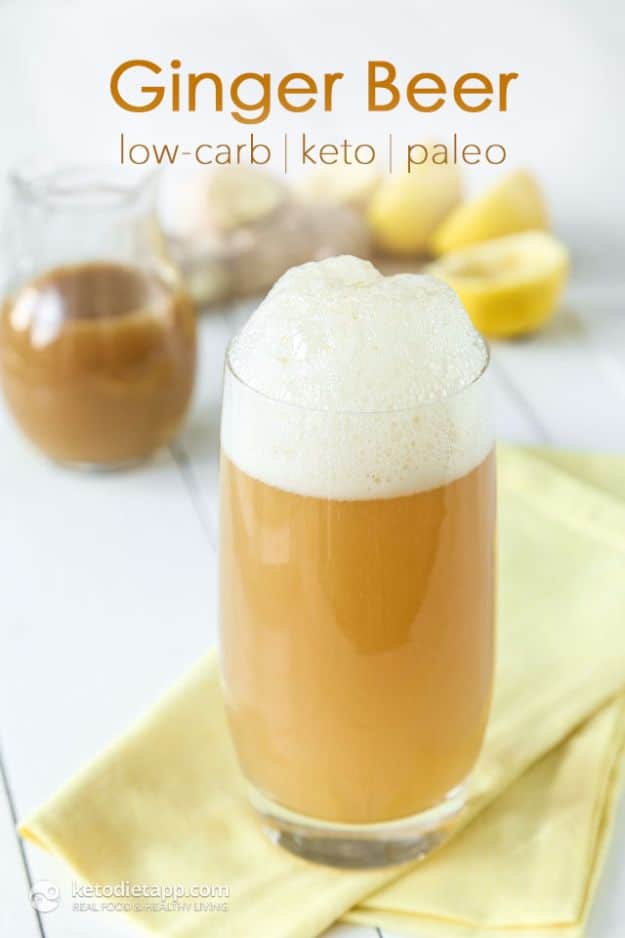
Fresh ginger root for the heat, fresh lemon juice to balance it, and natural sweeteners like allulose or Sukrin Gold instead of sugar, with a few drops of liquid stevia if you want it sweeter. It is made as a concentrate: a quarter cup to a cup and a half of sparkling water per glass. Alcohol free, and it is the right base for a low carb Moscow mule.
Get the full tutorial at KetoDiet Blog.
18. Nettle Beer
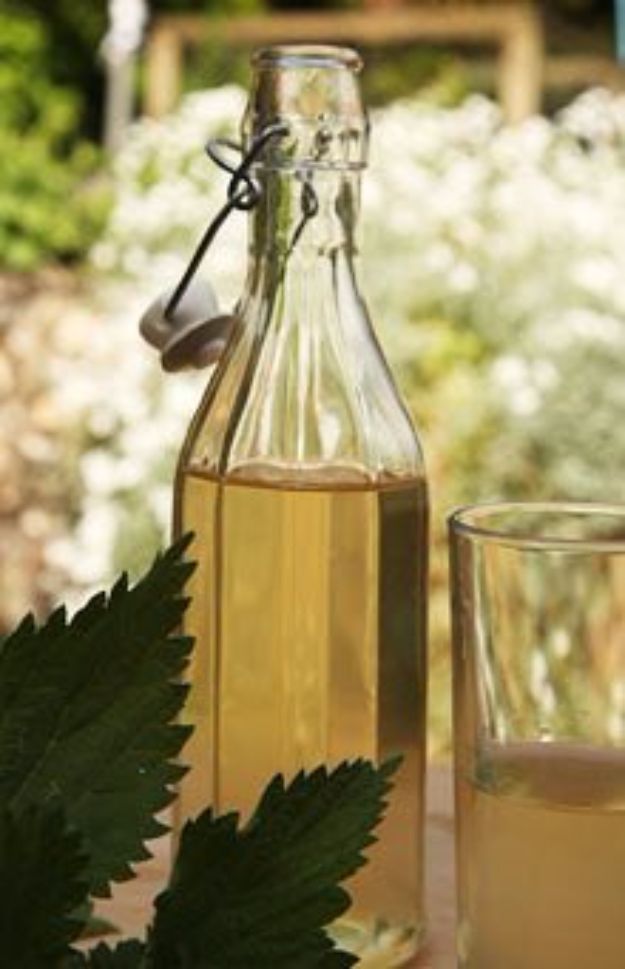
Hedgerow brewing from a River Cottage forager, and the appeal is how little it asks of you: buckets, demijohns, bubble traps, some plastic tubing and bottles is genuinely the whole kit. Nettles are free and they sting less once they are in the pot. It is quick and simple, which makes it a fine place to find out whether home brewing is for you before you buy anything serious.
Get the full tutorial at The Guardian.
19. Sugar Puff Beer
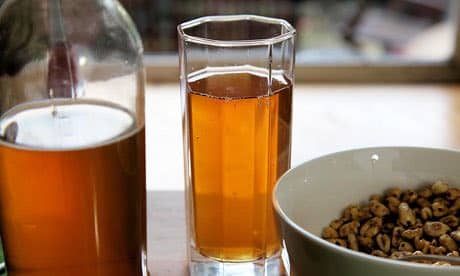
A stale box of Sugar Puffs, turned into beer, and the science behind it is better than the joke. The cereal brings fermentable sugars including 3 percent honey plus the starch locked in the puffed wheat, but no enzymes of its own. Malted barley has more enzymes than it needs for its own starch, so it converts the cereal too. He tested a tiny batch and recommends 10 to 12 liters for a sensible one.
Get the full tutorial at The Guardian.
20. Grapefruit American Pale Ale
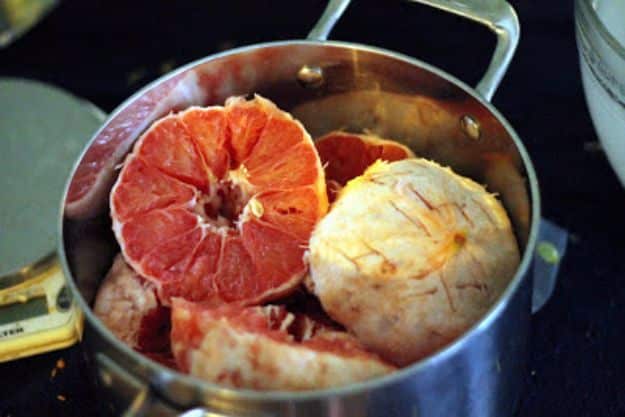
Grapefruit and American hops are already halfway to each other, so this one leans in: two ounces of Cascade and one of Chinook at flameout, the same again as a dry hop, and the zest of four ruby red grapefruits mixed into those dry hops. The peeled halves go into the wort too. Discard the pith with the peel, because that is where the harsh bitterness hides.
Get the full tutorial at The Mad Fermentationist.